The Benefits of Giant Building Blocks for Kids
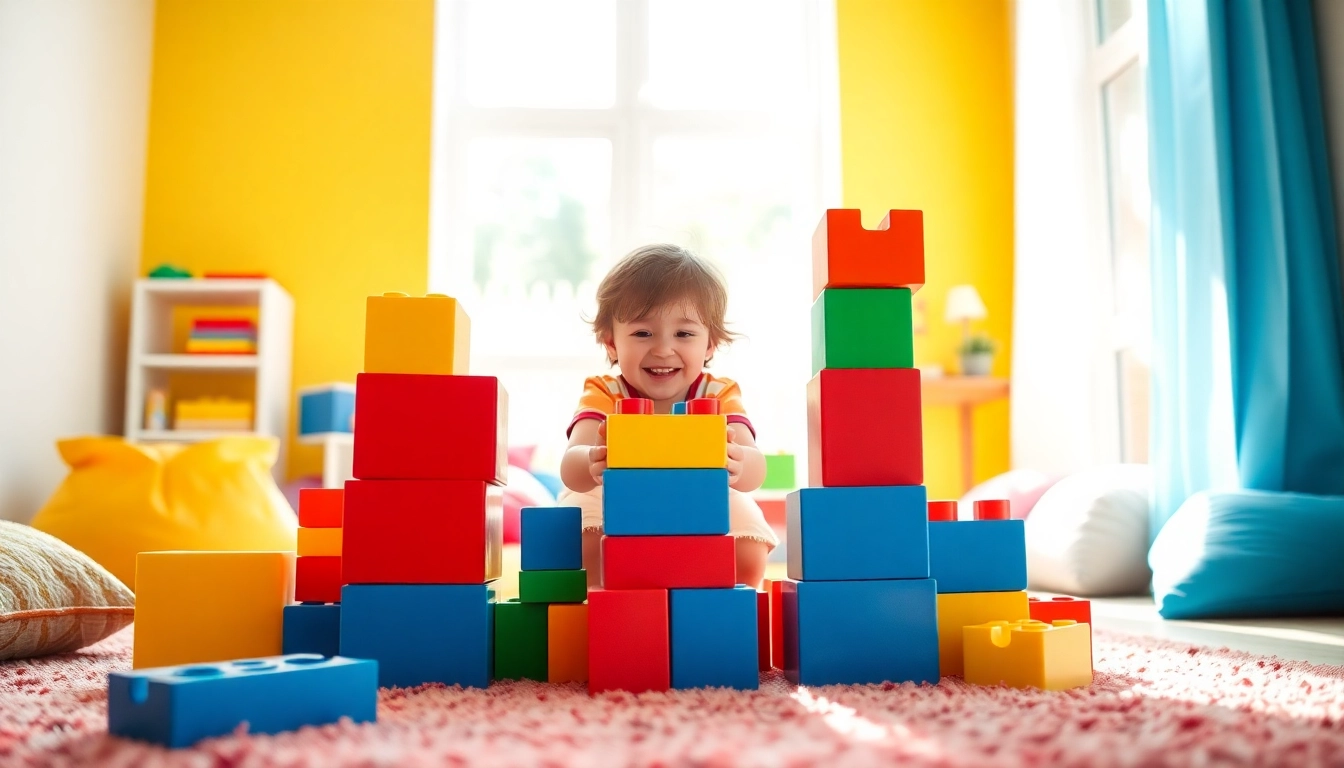
Giant building blocks are more than just a source of entertainment for children; they serve multiple developmental purposes. Their size, color, and composition captivate young minds, driving them to explore, create, and interact. In this article, we dive into how these blocks enhance children's creativity, promote physical activity, foster social interactions, and much more. For further insights, you can find additional information on their benefits and uses.
Enhancing Creativity and Imagination
One of the primary benefits of giant building blocks is their ability to enhance creativity and stimulate a child's imagination. Unlike fixed toys or gadgets, building blocks provide an open-ended play experience. Children can construct anything from simple shapes to elaborate structures, allowing them to experiment with spatial concepts and engineering principles. The tactile experience of stacking blocks, feeling their weight, and seeing their creations come to life encourages innovative thinking. This type of imaginative play is crucial for cognitive development as it teaches problem-solving skills and the ability to think abstractly.
Promoting Physical Activity
Giant building blocks encourage physical activity by inviting children to engage in movement. The blocks’ size often requires both large motor skills and physical collaboration when constructing or deconstructing structures. As kids lift, stack, and balance blocks, they are exercising their muscles and improving coordination. This kind of play is particularly beneficial in an age where sedentary entertainment options are abundant. Moreover, the involvement of multiple children in building large structures can make the activity even more dynamic, turning a simple play session into an active game.
Encouraging Social Interaction
Building with giant blocks is often a communal activity that helps develop social skills. When children collaborate on projects, they learn valuable lessons in teamwork, negotiation, and communication. They must discuss their ideas, make joint decisions, and sometimes even compromise on their visions. This interaction builds not only friendships but also emotional intelligence as they navigate conflicts and celebrate collective achievements. Such social interactions are essential for building relationships and a sense of community in young children.
Different Types of Giant Building Blocks
The market brims with diverse giant building blocks, each designed to cater to distinct play experiences and developmental benefits. Understanding these types helps parents and caregivers choose the best options for their children.
Materials and Their Impact on Play
Giant building blocks come in various materials, each offering unique benefits. Plastic blocks are lightweight and ideal for indoor use, being easy to clean and resistant to weather conditions. Wooden blocks provide a more tactile experience, often used outdoors. Foam blocks are soft and safe for younger children, reducing the risk of injury while encouraging imaginative play. The choice of material affects how children interact with these blocks and can influence their overall play experience.
Sizes and Shapes for Varied Experiences
The size and shape of building blocks also matter significantly. Traditional cube shapes are versatile, encouraging countless stacking possibilities, while triangular and cylindrical shapes can ignite creativity through more complex structures. Larger blocks may require teamwork to handle, thus enhancing social play, while smaller blocks foster solitary concentration. Parents should consider their child’s age and interests when selecting sizes and shapes.
Safety Considerations for Young Builders
When choosing giant building blocks, safety is paramount. Blocks should be made from non-toxic materials, particularly for younger children who tend to put toys in their mouths. Additionally, ensuring that blocks are the appropriate size to eliminate choking hazards is crucial. The design should also allow for stability: blocks that can tip over or collapse can cause injuries. Parents must closely supervise play, especially in the early stages, to help promote safe building habits.
Designing the Perfect Play Space
Creating an optimal environment for building block play enhances the overall experience. Here are a few essential design aspects to consider that encourage creativity and safe play.
Layouts that Inspire Creativity
An inviting play space should be organized to encourage exploration and creativity. Open spaces allow for the free flow of ideas and movement, while designated zones for construction can help children know where to focus their energy. Accessibility to various materials, including the building blocks themselves, art supplies, and even themed props, can give children many avenues to express their creativity without boundaries. Designing with flexibility allows children to rearrange the space and keep their play dynamic.
Incorporating Mobility and Accessibility
The play area should be accessible not only to children but also to parents or caregivers who may want to join in on the fun. Ensuring that the area is wheelchair-friendly or accommodating for children with various mobility limitations fosters inclusiveness. It’s essential that the layout allows for easy movement around the blocks, which promotes hands-on engagement without barriers.
Adding Themed Elements for Enhanced Adventure
Theming can significantly stimulate imaginative play. By incorporating themed elements such as roadway signs, fabric canopies for fort-making, or even pretend landscaping, you can inspire children to engage with their environment. Themed blocks can also encourage narrative play, where builders create stories around their structures which enhances creativity. This approach not only enriches the play experience but can help in developing storytelling skills.
How to Engage Children with Building Blocks
While giant blocks can provide endless entertainment, actively engaging children can enhance their play. Here are strategies for maximizing involvement and enjoyment.
Interactive Games and Challenges
Creating games around building blocks can elevate their play experience. Challenges, such as building a structure that can support a certain weight or racing against time to complete a project, can motivate children to think critically and work collaboratively. Incorporating elements of competition can make activities more exciting and engaging. Furthermore, tracking progress and achievements can boost children’s self-esteem and sense of accomplishment.
The Role of Parents and Caregivers
Parents and caregivers can significantly enhance children's building experiences by participating enthusiastically. Modeling play behaviors — whether it’s building alongside them or documenting their creations through photos — can enrich their engagement. Offering supportive feedback and encouragement fosters confidence and helps children feel valued. Moreover, participating can strengthen the bond between adults and children, turning playtime into quality time.
Ideas for Group Play Activities
Group activities featuring giant building blocks provide great opportunities for collective learning and play. Engaging in team-building exercises where children must cooperate to achieve a common goal — like constructing a bridge or a castle — instills valuable lessons in collaboration and respect for varying ideas. Introducing themes, such as building a habitat for imaginary creatures, can spark interest and creativity while encouraging teamwork.
Maintenance and Care for Building Blocks
To ensure that giant building blocks remain safe and enjoyable for years to come, regular maintenance and care are imperative.
Cleaning and Sanitization Tips
Maintaining cleanliness is vital, especially when blocks are used by multiple children. Regularly cleaning blocks with mild soap and water can prevent the accumulation of germs. For foam blocks, a damp cloth can be used to wipe down surfaces. Additionally, regular inspections for signs of damage or wear will help prolong the lifespan and safety of the blocks, allowing them to serve their purpose effectively.
Storing Blocks to Maximize Lifespan
Proper storage of building blocks is crucial in extending their lifespan. Keeping them in a cool, dry area prevents any potential deterioration from moisture exposure. Many families opt for labeled bins or storage carts, making it easy for children to access and tidy up after play. An organized approach can cultivate a sense of responsibility in children while prolonging the usability of the blocks.
Revamping Old Blocks for Continued Fun
Instead of discarding older blocks, consider inventive ways to revamp them. Painting or decorating blocks can renew their appeal, while also providing an art project for children. Additionally, gamifying their usage — such as creating a scoring system for specific building challenges — gives fresh life to previously worn-out blocks. Such practices not only save money but also encourage resourcefulness and creativity.
Frequently Asked Questions
What age is suitable for giant building blocks?
Giant building blocks are generally suitable for children ages 2 and up, but care should be taken to choose sizes that mitigate choking hazards.
Can giant building blocks be used outdoors?
Yes, many giant building blocks are designed for outdoor use, but it’s essential to check if the material is weather-resistant.
How do I clean giant building blocks?
Giant building blocks can be cleaned using mild soap and water. For foam blocks, a damp cloth works well to sanitize surfaces.
Are there educational benefits to using building blocks?
Absolutely! Building blocks promote essential skills like spatial awareness, problem-solving, and fine motor development, making them great educational tools.
How can I encourage cooperative play with blocks?
Encourage cooperative play by introducing team challenges, where children must build collaboratively towards a common goal, fostering communication and teamwork.