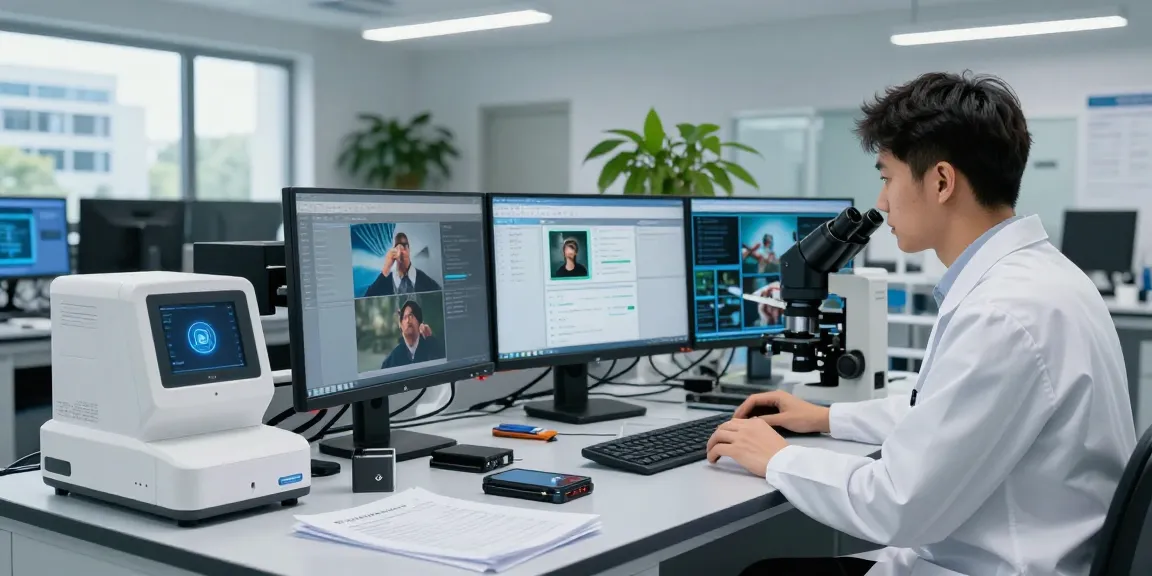
Understanding Deepfake Technology and Its Risks
In recent years, deepfake technology has emerged as a controversial yet fascinating advancement in artificial intelligence. By manipulating video and audio files, deepfakes create synthetic media that can seamlessly imitate real individuals. While this technology can be used for entertainment or educational purposes, it also poses significant risks, particularly in professional environments like remote meetings. This article delves into the implications of deepfake technology, exploring its potential dangers and the tools available to mitigate these risks. When exploring options, Deepfake free meetings provide comprehensive insights into maintaining security in digital communications.
What are Deepfakes?
Deepfakes use complex algorithms and machine learning techniques, particularly Generative Adversarial Networks (GANs), to produce content that mimics real people. This can range from video clips where an individual appears to say or do something they never did to voice cloning that sounds remarkably similar to the original speaker. The accessibility of deepfake technology has been amplified by various applications and tools, making it easier for even non-experts to create convincing deepfake media.
The Risks of Deepfakes in Remote Meetings
The integration of video conferencing tools like Zoom, Microsoft Teams, and Google Meet into everyday professional life has made organizations vulnerable to deepfake threats. An adversary could impersonate a colleague or a high-level executive, leading to unauthorized access to sensitive information or disruption of business operations. The psychological aspect of trust in professional settings exacerbates these risks, as it can be challenging to discern authentic interactions from manipulated ones.
Understanding the Mechanics of Deepfake Creation
To fully grasp the risks posed by deepfakes, it's essential to understand how they are created. Typically, deepfake creation involves several stages:
- Data Collection: The first step requires a substantial amount of audio and video data concerning the person being mimicked.
- Model Training: Using machine learning techniques, a model is trained on the collected data to learn the person's facial movements, voice, and mannerisms.
- Editing: The trained model is then employed to create new video content that mimics the individual accurately.
This process can produce highly convincing results, making it critical for businesses to adopt deepfake detection measures.
Identifying Deepfake Free Meeting Tools
Given the risks associated with deepfakes, identifying reliable tools for ensuring deepfake free meetings is crucial. Several innovative solutions are emerging in 2026, designed to protect users from deepfake technology.
Top Deepfake Detection Solutions for 2026
Several companies are paving the way in AI-driven deepfake detection. These include:
- Resemble AI: An integrated solution for Zoom, Teams, and other conferencing platforms that detects voice cloning and face swaps in real time.
- Truly: A tool designed specifically for video conferencing to analyze participant authenticity continuously.
- Facia: Employs AI algorithms to protect video calls from deepfake interventions, providing a secure communication environment.
Comparative Analysis of Tools Available
When comparing deepfake detection tools, businesses should consider factors such as:
- Real-Time Detection: How quickly and accurately the tool can identify deepfakes.
- Integration Capabilities: The ease of integrating the tool with existing video conferencing platforms.
- User Experience: The interface and overall user experience should be intuitive and facilitate user adoption.
Conducting a thorough analysis of these features will help organizations choose the right tools to safeguard their virtual meetings effectively.
Evaluating User Needs for Effective Choices
Organizations must prioritize their specific needs when selecting deepfake detection tools. Factors like the size of the organization, the nature of its interactions, and the sensitivity of the data being shared will influence which solution is most effective. Tailoring choices to user needs can enhance both security and operational efficiency.
Best Practices for Conducting Safe Meetings
Beyond utilizing detection tools, implementing best practices for safe meetings is essential. These practices help cultivate an environment less susceptible to deepfake impersonation.
Establishing Ground Rules for Participants
Creating a set of ground rules for meetings empowers participants to engage responsibly. These rules may include:
- Verifying the identity of attendees before sharing sensitive information.
- Encouraging participants to utilize only verified video conferencing links.
- Mandating the use of video for all participants to enhance identification.
How to Verify Participants' Identities
Employing methods to verify identities is crucial in remote meetings. Some effective strategies are:
- Using multi-factor authentication for meeting access.
- Implementing a waiting room system where hosts can verify attendees.
- Asking participants to share specific information or credentials known only to them.
Setting Up Secure Digital Environments
Creating a secure digital environment can significantly reduce the risk of deepfake intrusions. Essential steps include:
- Using encrypted communication channels.
- Regularly updating software and tools to the latest versions.
- Conducting routine security audits to identify vulnerabilities.
Implementing Deepfake Presentation Strategies
Training staff on recognizing suspect behaviors and employing technology to bolster security plays a vital role in combating deepfakes during meetings.
Training Staff on Recognizing Suspect Behavior
Educating employees on how to identify potential deepfake indicators can help in mitigating risks. Key points to cover in training sessions include:
- Recognizing inconsistencies in speech patterns or facial expressions.
- Understanding the limitations of technology and how deepfakes may manifest in presentations.
Utilizing Technology to Enhance Meeting Security
Incorporating state-of-the-art security technology can significantly enhance meeting integrity. Solutions such as biometric verification and real-time analytics can serve as effective deterrents against unauthorized intrusions.
Engaging Participants in Security Protocols
Ensuring participants are active in implementing security protocols creates a culture of vigilance. Encouraging reporting of suspicious activities empowers employees and reinforces the importance of data integrity.
Future Trends in Deepfake Detection and Video Conferencing
As we look forward to 2026, several emerging technologies promise to enhance deepfake detection and improve video conferencing security. Organizations should stay informed about these trends to remain competitive and secure.
Emerging Technologies to Combat Deepfakes
New technologies are being explored to combat the threats posed by deepfakes, including:
- Blockchain: Implementing blockchain for identity verification can create immutable records that verify a person's identity during meetings.
- AI Evolution: Continuous advancements in AI are expected to lead to more sophisticated detection algorithms that can recognize deepfakes with higher accuracy.
Predictions for Video Conferencing Safety in 2026
Experts predict that video conferencing safety will increasingly rely on AI-driven solutions, customizable security settings, and enhanced user privacy controls. As threats evolve, so too will the measures to combat them. The focus will be on creating a secure, user-friendly experience that fosters effective communication.
How Businesses Can Prepare for Upcoming Challenges
Organizations must proactively prepare for evolving deepfake threats by investing in robust training programs, advanced technology, and cultivating a culture of security awareness. Establishing a crisis management plan specifically tailored to deepfake incidents can provide clear steps to follow in case of a breach.
What are the main dangers of deepfake technology?
The primary dangers of deepfake technology include privacy violations, misinformation, and the potential for financial fraud. These risks necessitate a proactive approach to security within organizations.
How can I protect my meetings from deepfakes?
To protect meetings from deepfakes, implement comprehensive verification processes, use deepfake detection tools, and establish clear participant identification protocols.
What tools are essential for deepfake detection?
Essential tools for deepfake detection include real-time analysis solutions, AI-driven verification systems, and frameworks for ongoing risk assessment.
Are deepfake free meetings possible with current technology?
Currently available technology can significantly reduce the risks associated with deepfakes, but establishing completely deepfake-free meetings requires ongoing vigilance and advances in detection capabilities.
What trends should I watch in deepfake detection for the future?
Future trends in deepfake detection will likely emphasize AI advancements, enhanced identity verification methods, and regulatory frameworks to ensure data integrity in virtual environments.