Understanding Bed Bugs
What Are Bed Bugs?
Bed bugs are small, nocturnal insects belonging to the Cimex lectularius species, commonly known for feeding on human blood. They are flat, oval-shaped, and can easily hide in various places. These pests are not only a nuisance but can also cause psychological discomfort, anxiety, and stress for those affected. Victims may experience itchy welts and rashes due to bed bug bites. The increasing prevalence of bed bugs in residential and commercial properties has made effective extermination crucial. Understanding their behavior and characteristics is essential for effective management and control.
Life Cycle of Bed Bugs
The life cycle of bed bugs consists of five distinct stages: egg, nymph, and adult. Female bed bugs can lay anywhere from one to five eggs daily and up to 500 eggs in their lifetime. Eggs take about 6 to 10 days to hatch. Once hatched, they enter the nymph stage, which requires multiple blood meals to molt and develop into adults. This process can last from several weeks to months depending on environmental conditions, such as temperature and availability of hosts. Adult bed bugs can live for several months to over a year, making it imperative to address an infestation swiftly.
Signs of a Bed Bug Infestation
Detecting a bed bug infestation early is essential to effective treatment. Signs of an infestation include:
- Waking up with unexplained bites or itchy welts
- Finding blood stains on sheets or pillowcases
- Identifying dark spots or fecal matter on mattresses and furniture
- Seeing shed exoskeletons or tiny white eggs
- Unpleasant odor resembling rotten raspberries, indicating a larger infestation
If you suspect a bed bug problem in your home or business, contacting bed bug exterminators is a critical next step.
Role of Bed Bug Exterminators
What to Expect from Professional Exterminators
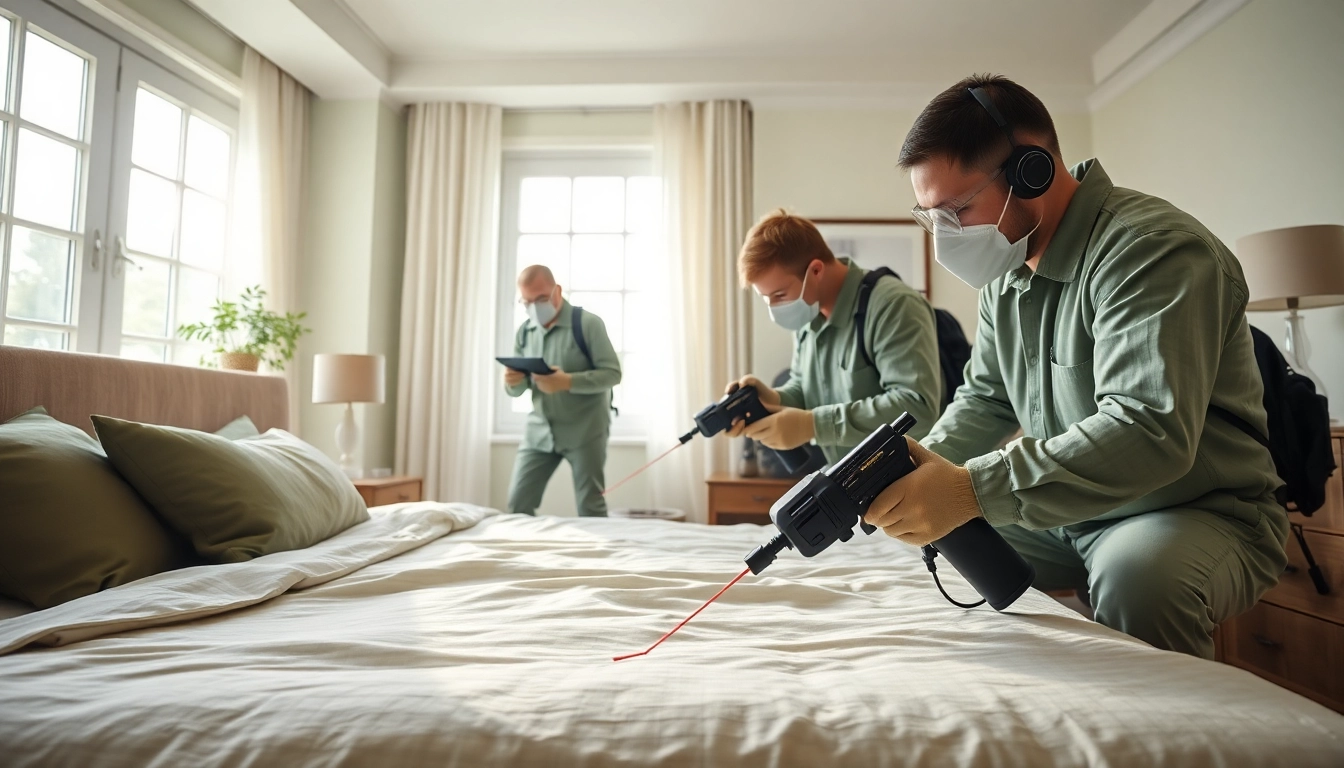
Professional bed bug exterminators play a vital role in removing these pests and preventing future infestations. Expect the exterminator to perform a thorough property inspection to identify the extent of the infestation. They will develop an effective treatment plan tailored to your specific situation. This often involves a combination of methods including chemical treatments, heat treatments, and ongoing monitoring. Many exterminators also offer follow-up services to ensure the problem has been fully addressed.
Diverse Strategies for Treatment
Extermination strategies can vary widely, but they generally include:
- Chemical Treatments: Exterminators may use a variety of pesticides that are approved for bed bug control. It’s crucial that these chemicals are used safely and according to regulations.
- Heat Treatments: Up to 122°F (50°C) can kill bed bugs in all stages in a matter of hours. Professionals utilize specialized equipment to raise the temperature of infected areas.
- Steam Treatments: Steam can also effectively eliminate bed bugs and is often considered safe for a variety of surfaces.
- Integrated Pest Management (IPM): This holistic approach combines multiple strategies for long-term prevention and management.
Evaluating Exterminator Credentials
Not all exterminators are created equal. When choosing bed bug exterminators, consider their qualifications, certifications, and experience in the field. Look for exterminators who are licensed and insured, as well as those who adhere to current safety and environmental standards. Reading customer reviews and asking for references can provide additional insight into their effectiveness and reliability.
Preparation for Extermination
Pre-Treatment Checklist for Homeowners
Preparing your home for extermination is a crucial step in ensuring the success of treatment. Homeowners should follow these steps:
- Declutter the infested area to allow easy access for exterminators.
- Wash all bed linens, clothing, and fabric items in hot water and dry on high heat.
- Vacuum carpets, mattresses, and furniture thoroughly, and dispose of the vacuum bag afterward.
- Remove items from the room that may hinder treatment or pose a risk to the exterminator’s tools and methods.
Preventing Reinfestation
After treatment, it's vital to implement strategies to prevent reinfestation. Tips include:
- Regularly inspect secondhand furniture before bringing it into your home.
- Use bed bug protective covers for mattresses and box springs.
- Avoid placing luggage on hotel beds and inspect it when returning home.
- Maintain cleanliness in your living space to minimize hiding spots.
These preventive measures can significantly reduce the chances of returning bed bugs.
What to Do After Treatment
Following extermination, it’s essential to continue monitoring for any signs of resurgence. Check for new bites, inspect furniture and bedding regularly, and schedule follow-up visits with your exterminator if necessary. If problems persist, a more extensive treatment might be needed.
Cost Considerations
Factors Influencing Extermination Costs
The cost of bed bug extermination can vary significantly based on several factors, including:
- The size and layout of the infested area
- The level of infestation
- The types of treatments required
- Cost of any necessary follow-up visits
Understanding these factors can help you budget appropriately for the service you need.
Average Pricing for Services
On average, professional bed bug extermination services can range from a few hundred to several thousand dollars. Basic chemical treatments will generally be less expensive compared to comprehensive heat treatments. Always request a written quote and breakdown of costs from your exterminator to avoid unexpected expenses.
Evaluating Value vs. Cost
While hiring bed bug exterminators can appear costly, consider the potential long-term value. Professional treatment often results in a permanent solution, which can save you from ongoing embarrassment and issues related to infestation. Evaluating the potential costs of property damage, health impacts, and loss of sleep can further justify the investment.
Frequently Asked Questions
How long does bed bug treatment take?
The duration of treatment may vary based on the severity of the infestation and the methods used. Most treatments last a few hours, while complete eradication may take several weeks.
Are bed bug exterminators necessary?
Professional bed bug exterminators are often necessary due to the complexity of infestations. They possess the knowledge and tools to eliminate pests effectively while ensuring safety.
Can I treat bed bugs myself?
While DIY methods exist, they may not be as effective as professional treatments. Many treatments fail to eliminate all bugs and eggs, so professional help is usually advisable.
What is the best way to prevent a bed bug infestation?
Prevention involves maintaining cleanliness, inspecting furniture regularly, and being cautious when traveling. Protective mattress covers can also deter infestations.
How do I know if the extermination was successful?
Success can be gauged by monitoring for any new bites and inspecting the environment for bed bug signs. Follow-up visits can also help ensure complete elimination.