Understanding the Importance of Fence Cleaning
Maintaining the integrity and appearance of your property involves various tasks, one of the most crucial being Fence Cleaning. A well-kept fence not only enhances aesthetics but also serves practical purposes, contributing to the overall longevity of your outdoor structures. Regular cleaning is essential to prevent deterioration and unsightly stains, preserving both the fence and the surrounding environment.
Why Regular Maintenance Matters
Just like any other outdoor structure, fences are subjected to harsh environmental factors including sun, rain, dust, and biological elements like mold and mildew. These conditions can lead to significant deterioration over time if neglected. Regular cleaning eliminates dirt, algae, and other organic materials that can cause damage. Additionally, maintenance can help spot minor issues before they become costly repairs, making it a wise investment for homeowners.
Common Issues Faced by Fences
Fences can encounter numerous problems, including:
- Mildew and Mold: Both thrive in humid environments, and their presence can not only damage the fence but also contribute to health issues for your family.
- Rust: For metal fences, rust can be a critical problem that requires early intervention.
- Staining: Dirt, animal waste, and plant debris can stain surfaces, affecting visual appeal.
Impact on Property Value
One often overlooked aspect of fence cleaning is its impact on property value. Clean, well-maintained fences contribute positively to curb appeal, making your home more attractive to potential buyers. A deficit in upkeep can lead to negative perceptions, which often reflects in appraisal values. Regular cleaning assures both aesthetic and investment benefits, keeping your property looking its best.
Choosing the Right Cleaning Method
With various cleaning methods available, selecting the right one for your specific needs is vital. Different materials and conditions can influence the effectiveness of your cleaning strategy.
Pressure Washing vs. Soft Washing
When cleaning fences, the two primary methods are pressure washing and soft washing. Pressure washing employs high-pressure water jets to remove dirt and debris, making it effective for tougher stains or highly-dirtied surfaces. However, excessive pressure can damage softer materials or older fences.
On the other hand, soft washing uses lower pressure combined with specialized cleaning solutions to gently wash surfaces without risk of damage. This method is particularly suitable for wooden fences, as it preserves integrity while eliminating harmful growth.
Homemade vs. Commercial Solutions
Another consideration is the type of cleaning solution to use. Homemade solutions often rely on common household ingredients like vinegar or bleach to tackle stains and dirt. Although budget-friendly, they may lack the effectiveness of professional-grade options.
Commercial fence cleaners are specifically formulated to target diverse contaminants, including tough algae and mold. Utilizing these products can provide a more thorough clean and longer-lasting results compared to DIY alternatives.
Considerations for Different Materials
The material of your fence plays a critical role in determining the cleaning approach. Wooden fences may respond more positively to soft washing and protective sealing post-cleaning, while vinyl and metal fences can often withstand more aggressive methods like pressure washing. Always check the manufacturer’s guidelines to ensure you use an appropriate cleaning method that will not void warranties or damage surfaces.
Step-by-Step Guide to Safe Fence Cleaning
Ensuring that your fence is cleaned safely and effectively requires following a systematic approach. Below is a detailed guide to achieve optimal results.
Preparing Your Area
Preparation is key to successful fence cleaning. Begin by clearing the area surrounding the fence. Remove any obstacles like furniture or plants that could obstruct the cleaning process. If using chemical solutions, consider covering nearby plants to protect them from potential damage.
It is also advisable to check the weather conditions to ensure you are tackling the cleaning on a dry day. This helps the cleaning solution dry appropriately without being washed away.
Applying Cleaning Solutions
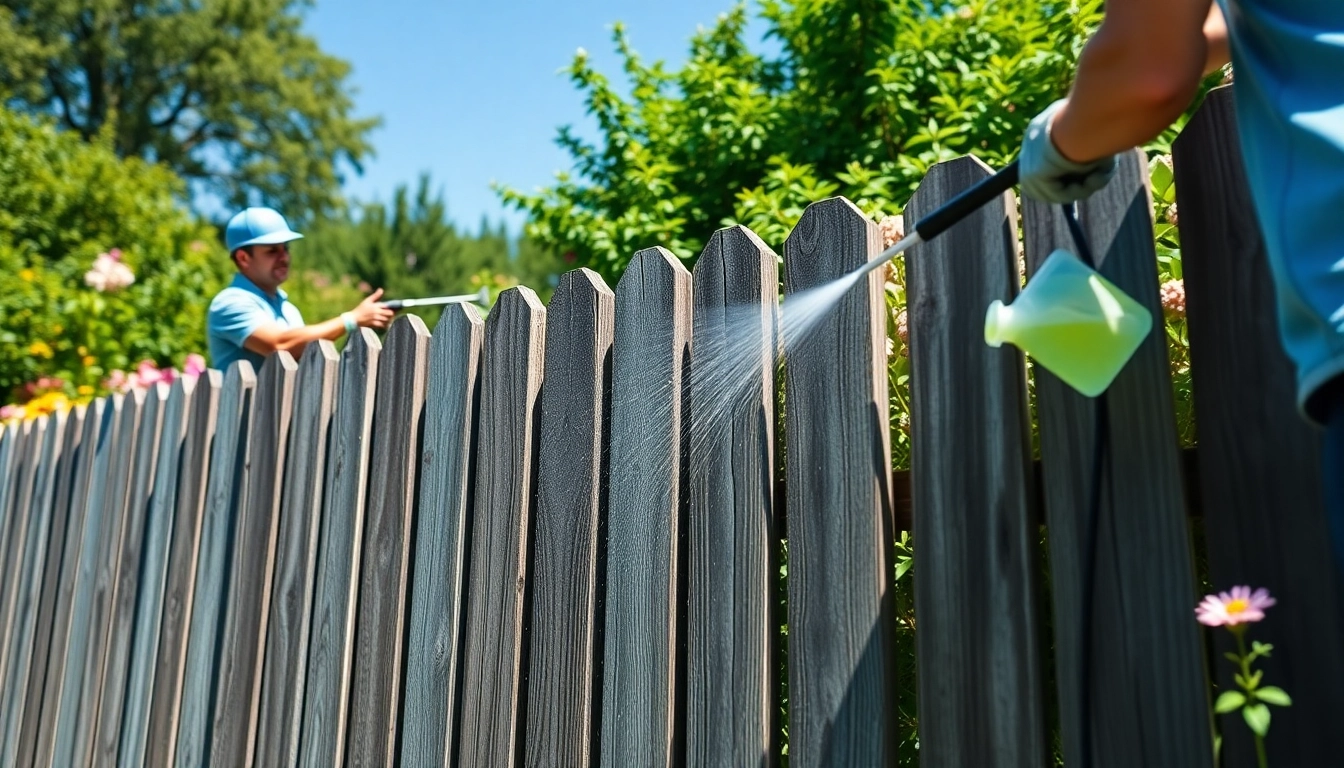
Once the area is prepped, select and prepare your chosen cleaning solution. If utilizing a commercial option, follow the manufacturer’s instructions for dilution. For a homemade solution, a mixture of water and vinegar can provide natural antibacterial properties. Apply the solution using a garden sprayer or brush, ensuring even coverage across the surface.
Let the solution sit for the recommended time to allow it to penetrate and break down dirt and stains before rinsing thoroughly, ensuring that no residue is left behind which might attract dirt immediately after cleaning.
Post-Cleaning Care and Maintenance
After cleaning, it’s important to apply preventive measures. Inspect the fence closely for any signs of damage or areas that might need additional attention. For wooden fences, consider applying a stain or sealant to protect against moisture and UV damage. Regular maintenance, including annual inspections and touch-ups, can prolong your fence's lifespan significantly.
Cost Factors in Professional Fence Cleaning
Many homeowners consider professional services for fence cleaning, which can vary widely in cost based on several factors.
Determining Size and Complexity
The size of the fence plays a significant role in determining the overall cost of cleaning services. Generally, professionals charge per linear foot, so larger areas will naturally incur higher costs. Moreover, the complexity of fence installation—whether it requires additional care due to height, material, or condition—can affect pricing as well.
Average Pricing in Your Area
On average, homeowners can expect to pay between $30 and $400 for fence cleaning services, largely influenced by local rates. This range provides a general guideline, but specific factors, including location and service provider expertise, can significantly alter actual costs.
When to Choose Professional Services
Choosing to enlist professional cleaning services typically depends on the fence's condition and your willingness to tackle the job yourself. If a fence is severely neglected, or if you lack the time and equipment for proper cleaning, professional services can provide effective and efficient solutions.
FAQs About Fence Cleaning
What materials are best for a homemade fence cleaning solution?
The best materials include vinegar, baking soda, and soap. Vinegar acts as a natural disinfectant, while baking soda provides mild abrasiveness that helps scrub dirt away.
How often should I clean my fence?
It's advisable to clean your fence at least once a year. However, factors like weather and nearby vegetation may necessitate more frequent cleanings.
Can fence cleaning damage my plants nearby?
Yes, if using strong chemicals. Always protect nearby plants and vegetation, either by covering them or using gentler, eco-friendly cleaning options.
How long does the fence cleaning process usually take?
The time required depends on the size and material of the fence, but most straightforward cleanings can be completed within 1 to 3 hours.
Is there a way to prevent future stains on my fence?
Applying a protective sealant after cleaning can help prevent stains by creating a barrier against moisture and dirt. Regular maintenance is also essential for prevention.