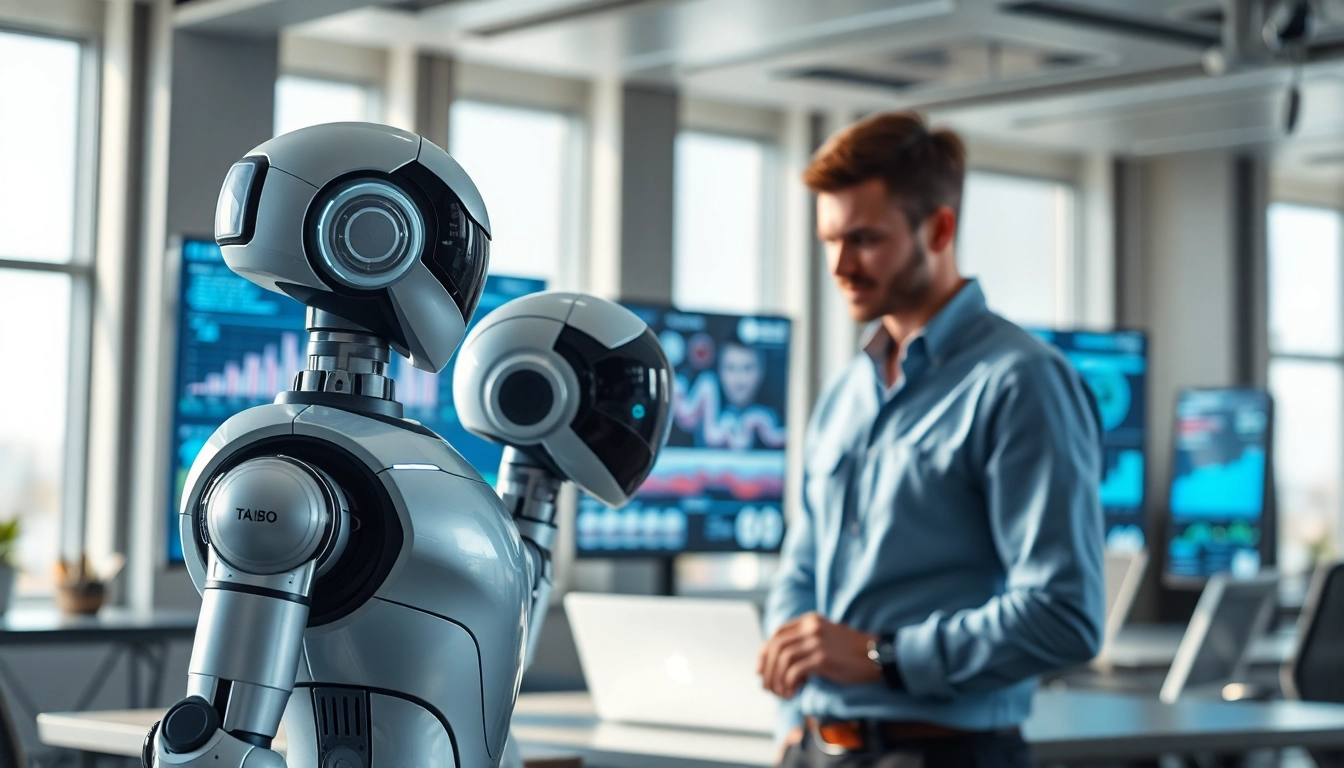
Introduction to Ai Bots
In an era where technology is shaping the way we work and live, Ai Bots have emerged as essential tools poised to revolutionize industries and streamline daily operations. Understanding Ai Bots, their functionality, and their potential impact is crucial for organizations looking to enhance efficiency and productivity.
What Are Ai Bots?
Ai Bots, or artificial intelligence bots, are software applications designed to perform tasks autonomously or with minimal human intervention, often utilizing machine learning and natural language processing technologies. They can interact with users through chat interfaces, gather data, automate workflows, and even make predictive analyses. The versatility of Ai Bots means they can be tailored to specific domains, making them invaluable in customer service, sales, and content management.
The Evolution of Ai Bots
The evolution of Ai Bots can be traced back to the early days of computer programming, where simple algorithms were used to execute predefined tasks. As technology advanced, so did the complexity of these bots. The introduction of machine learning algorithms allowed Ai Bots to learn from data and improve their performance over time. The current generation of Ai Bots leverages deep learning architectures, enabling them to understand and respond to human language more naturally, thus enhancing user interactions.
Common Uses of Ai Bots
Today, Ai Bots are integrated across various platforms and industries. Some common applications include:
- Customer Support: Deploying chatbots on websites to address frequently asked questions and assist users 24/7.
- Marketing Automation: Using Ai Bots to analyze customer data and execute targeted marketing campaigns.
- Data Analysis: Employing Ai Bots to sift through large datasets to uncover trends and insights.
- Personal Assistants: Implementing Ai Bots in applications to schedule meetings, set reminders, and manage tasks.
How Ai Bots Enhance Productivity
Streamlining Repetitive Tasks
Ai Bots excel at automating repetitive tasks that otherwise consume valuable time and resources. For instance, they can manage inventory, handle basic customer inquiries, or facilitate data entry processes. By delegating these routine tasks to Ai Bots, human employees can focus on more strategic initiatives, driving overall productivity. Automation improves speed and accuracy, reducing the likelihood of human errors while equipping the workforce with more time to innovate.
Improving Decision-Making
Utilizing Ai Bots for data processing can enhance decision-making processes within organizations. Ai Bots can analyze vast amounts of data swiftly, providing insights and recommendations based on real-time data analytics. With predictive algorithms, these bots can forecast trends, helping businesses to make informed decisions that align with market demands, thereby enhancing operational efficiency.
Enhancing Communication
In a world where effective communication is critical, Ai Bots serve as intermediaries between businesses and customers. They facilitate seamless communication by engaging customers on multiple platforms. Moreover, Ai Bots can aid internal communication through managing workflows, ensuring collaboration tools are utilized effectively, and ensuring that team members receive timely information and updates.
Best Practices for Implementing Ai Bots
Assessing Organizational Needs
Before implementing Ai Bots, organizations should conduct a thorough assessment of their needs. Identifying pain points, inefficiencies, and areas where automation can provide immediate relief will create a solid foundation for selecting the right Ai Bots. Engaging with stakeholders to understand their requirements can ensure that the bots align with overall business goals.
Choosing the Right Ai Bots
Not all Ai Bots are created equal; organizations must choose bots that align with their specific operational requirements. Factors to consider include the bot's purpose, compatibility with existing systems, scalability, and user-friendliness. A well-chosen Ai Bot can provide significant improvements in productivity, whereas a poorly aligned bot may lead only to frustration and inefficiencies.
Training Your Team
The successful integration of Ai Bots requires training and support for employees. Teams should be educated on how to interact with Ai Bots effectively and how to leverage their capabilities to enhance productivity. Moreover, fostering a culture of adaptability and openness toward technological solutions will empower teams to embrace Ai Bots and maximize their potential within the organization.
Challenges in Using Ai Bots
Managing Expectations
One of the primary challenges in adopting Ai Bots is managing expectations from both employees and stakeholders. Organizations must clearly communicate the capabilities and limitations of Ai Bots to prevent misunderstandings regarding their functionalities. By setting realistic goals, businesses can ensure that the implementation of Ai Bots is perceived positively and effectively, avoiding disillusionment among users.
Addressing Security Concerns
Data security remains a significant concern when incorporating Ai Bots into business operations. Organizations must establish robust security measures to protect sensitive information. This includes implementing encryption protocols, conducting regular audits of Ai Bot performance, and ensuring compliance with data protection regulations. Addressing these concerns proactively will cultivate trust among users and customers.
Overcoming Resistance to Change
Resistance to change is a natural human response, especially in organizational settings. To ease the transition toward Ai Bots, organizations should involve employees in the implementation process. Demonstrating how Ai Bots can simplify specific tasks and improve job satisfaction can mitigate fears. Engaging users through feedback in the development phase can foster a sense of ownership, ultimately leading to smoother integration.
Future of Ai Bots in the Workplace
Emerging Trends
The future of Ai Bots is characterized by emerging trends such as advanced natural language processing, improved personalization, and enhanced integration capabilities. With these advancements, Ai Bots will evolve to provide richer interactions with users. They will be able to engage in complex conversations, exhibit emotional intelligence, and learn from interactions to offer more tailored responses.
Innovative Applications
As Ai Bots continue to develop, innovative applications will surface across various sectors. For example, in healthcare, Ai Bots may assist in diagnosing diseases by analyzing patient data, while in finance, they could manage investment portfolios through automated trading strategies. The creativity in deploying Ai Bots will likely lead to entirely new business models and opportunities.
Long-Term Impacts on Employment
While the rise of Ai Bots may elicit concerns regarding job displacement, it is essential to recognize that they are likely to reshape, rather than eliminate, employment roles. As Ai Bots take on repetitive tasks, employees can transition toward more strategic, creative, and interpersonal roles that require human insight. Organizations that invest in reskilling their workforce will experience the most significant benefits from this transformation.
Frequently Asked Questions
1. What are the main benefits of using Ai Bots?
Ai Bots provide 24/7 support, automate repetitive tasks, improve decision-making through data analysis, enhance customer experiences, and boost overall productivity within organizations.
2. Can Ai Bots replace human employees?
Ai Bots are designed to complement human work, not replace it. They handle routine tasks, allowing employees to focus on higher-level responsibilities that require creativity and critical thinking.
3. How do I choose the right Ai Bot for my business?
Consider your organization's specific needs, the capabilities of the Ai Bot, compatibility with existing systems, and the potential for scalability when selecting the right Ai Bot.
4. What security measures should I implement for Ai Bots?
Implement encryption, conduct regular performance audits, ensure compliance with data protection laws, and train employees on security best practices to protect sensitive information handled by Ai Bots.
5. How can I get my team on board with Ai Bots?
Engage employees early in the implementation process, provide training, and highlight how Ai Bots can simplify their tasks and enhance job satisfaction to promote acceptance and enthusiasm.