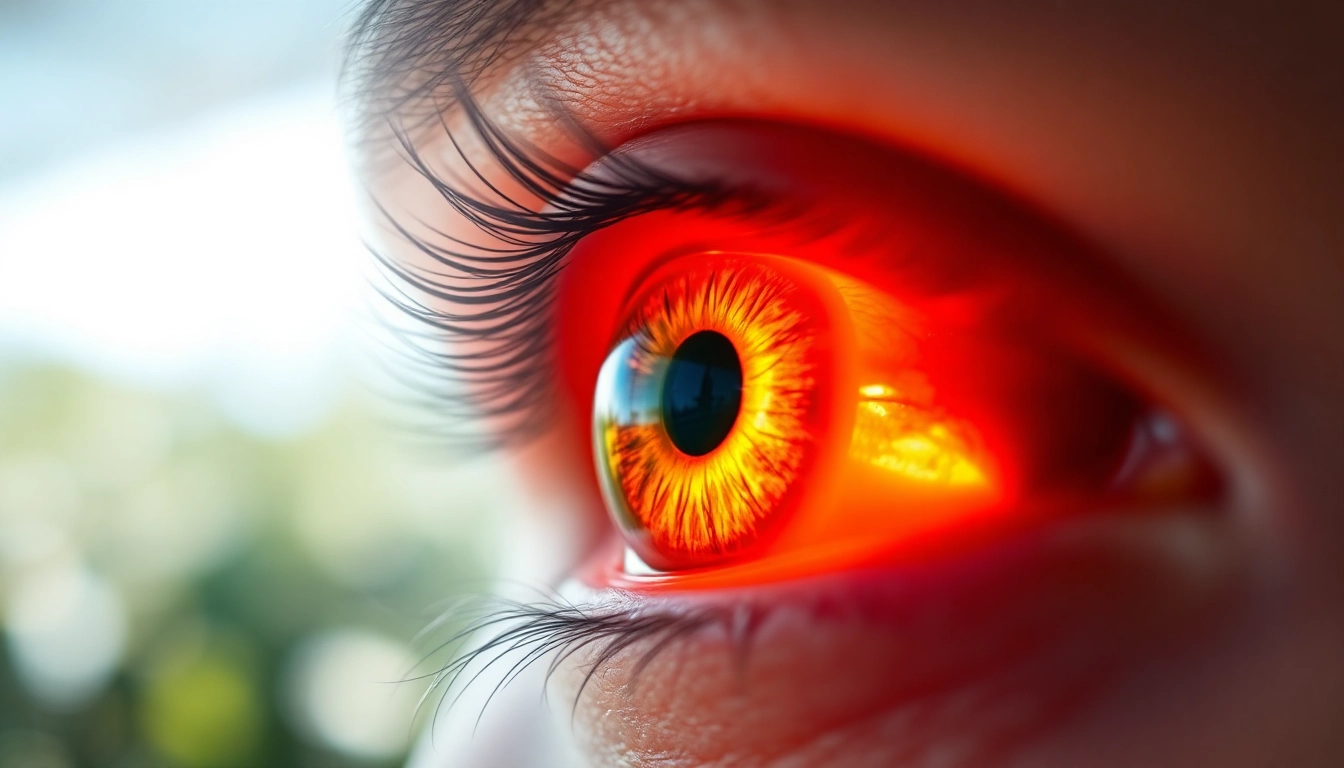
Astaxanthin is a carotenoid pigment naturally occurring in various microorganisms, primarily found in algae, salmon, and certain shellfish. Renowned for its potent antioxidant properties, astaxanthin has gained considerable attention in the realm of health and nutrition, particularly regarding its impact on eye health. This article delves into the multifaceted benefits of astaxanthin for eye health, providing an in-depth understanding based on current research and expert insights.
Understanding Astaxanthin
What is Astaxanthin?
Astaxanthin is a fat-soluble carotenoid recognized for its vibrant red-orange color, typically associated with seafood such as shrimp and salmon. It plays a crucial role in protecting these organisms from oxidative damage, acting as a powerful antioxidant. Unlike many other antioxidants, astaxanthin possesses the unique ability to cross the blood-retinal barrier, making it particularly effective in safeguarding eye tissues.
Natural Sources of Astaxanthin
Astaxanthin is primarily sourced from:
- Green Microalgae: Specifically, Haematococcus pluvialis is known to be one of the richest sources of astaxanthin.
- Shellfish: Many crustaceans, such as shrimp and crab, accumulate astaxanthin in their bodies, contributing to their pink coloration.
- Fish: Fatty fish like salmon, trout, and mackerel also provide significant amounts of this carotenoid.
- Some Yeast: Certain yeast species are also used for commercial astaxanthin production.
How Astaxanthin Works in the Body
Once consumed, astaxanthin works by integrating into cell membranes, where it protects cells from oxidative stress by neutralizing free radicals. Its unique molecular structure enables it to span cell membranes, providing a protective shield against oxidative damage, especially in retinal cells. This action not only supports overall cellular health but is particularly beneficial for the eyes, which are highly susceptible to oxidative stress due to their exposure to light.
The Importance of Eye Health
Common Eye Problems and Their Causes
Several common eye problems can lead to significant visual impairment:
- Age-Related Macular Degeneration (AMD): A leading cause of vision loss, associated with aging factors and oxidative damage.
- Cataracts: Clouding of the lens, often linked to oxidative stress and UV light exposure.
- Dry Eye Syndrome: Insufficient tear production or quality, which can result from environmental factors or prolonged screen time.
- Diabetic Retinopathy: A complication of diabetes leading to retinal damage caused by high blood sugar levels.
Importance of Antioxidants for Vision
Antioxidants are crucial for maintaining eye health as they combat oxidative stress, which can damage retinal tissues. Consistent intake of antioxidants, including astaxanthin, may protect against the onset and progression of numerous ocular diseases. Specifically, they help neutralize free radicals and support cellular function by reducing inflammation and promoting blood circulation in the eyes.
How Lifestyle Affects Eye Health
Lifestyle choices profoundly impact eye health. Factors such as a balanced diet rich in antioxidants, regular eye examinations, protection against UV light, and reducing screen time play essential roles in maintaining optimal vision. Smoking, excessive alcohol consumption, and poor diet can increase the risk of degenerative eye diseases; thus, making healthy choices can be beneficial for eye longevity.
Benefits of Astaxanthin for Eye Health
Combating Oxidative Stress
Astaxanthin is one of the most powerful natural antioxidants available. Research indicates that it is up to 6000 times more effective than vitamin C in targeting free radicals. This suggests that astaxanthin can significantly mitigate oxidative stress in the eyes' sensitive tissues. Studies show its effectiveness in protecting against conditions like AMD and cataracts by maintaining cellular integrity and function.
Enhancing Visual Function
Clinical studies have demonstrated that astaxanthin supplementation can improve visual function metrics, such as contrast sensitivity and visual acuity. Participants in trials often report enhanced vision following periods of astaxanthin intake, suggesting its role in improving overall visual clarity, particularly in older adults experiencing age-related vision decline.
Supporting Eye Muscle Performance
Astaxanthin benefits not just the retina but also supports the ciliary muscle of the eye, which is responsible for focusing and adjusting vision. By improving muscle performance and reducing fatigue associated with prolonged screen usage, astaxanthin contributes to overall comfort and reduces eye strain, a common complaint in today’s digital age.
Research and Evidence
Clinical Studies on Astaxanthin
A body of research illustrates the benefits of astaxanthin concerning eye health. For instance, clinical observations have noted that patients taking astaxanthin show improved outcomes with conditions like dry eye syndrome and visual fatigue. Peer-reviewed studies often highlight the compound's effects on reducing oxidative damage and enhancing visual performance, solidifying its status as a leading supplement for eye wellness.
User Testimonials and Case Studies
Personal testimonials from users often reinforce clinical findings. Many individuals report transformative experiences, noting improved visual acuity and comfort after incorporating astaxanthin into their daily routines. Such case studies support the notion that astaxanthin is well-tolerated and effective for the general population concerned about eye health.
Comparative Studies with Other Antioxidants
Astaxanthin has been compared to several other antioxidants to assess its effectiveness, especially with lutein and zeaxanthin. Research indicates that astaxanthin exceeds these compounds in protective capabilities for the retina. While all are beneficial, astaxanthin's unique structure and mechanisms allow it to offer superior protection against oxidative damage in ocular tissues.
How to Incorporate Astaxanthin
Recommended Dosages
The recommended daily dosage of astaxanthin for eye health generally ranges between 4 to 12 mg. Most studies showing positive results utilized doses within this range. However, individual needs may vary based on specific health conditions and overall diet. It is advisable to consult a healthcare provider for personalized dosage recommendations prior to beginning supplementation.
Supplement Forms and Considerations
Astaxanthin is available in several supplement forms, including soft gels, liquid capsules, and powders. While natural sources are beneficial, supplements can provide higher concentrated doses necessary for therapeutic effects. When selecting a supplement, choose reputable brands that guarantee purity and bioavailability to ensure the effectiveness of the astaxanthin.
Combining Astaxanthin with Other Nutrients
Astaxanthin can be more effective when combined with other nutrients, such as omega-3 fatty acids, lutein, and zeaxanthin. These nutrients work synergistically to enhance overall eye health, providing a more comprehensive approach to prevention and treatment of visual impairments. Incorporating a variety of antioxidants into your diet may yield better outcomes for eye health.
FAQs
What is the best dosage of astaxanthin for eye health?
The recommended dosage ranges between 4-12 mg daily, but consult a healthcare provider for personalized advice based on individual health conditions.
Can astaxanthin improve eye strain?
Yes, astaxanthin may help reduce eye strain due to its antioxidant properties, supporting eye muscle function and improving blood flow.
Is astaxanthin safe for everyone?
Astaxanthin is generally considered safe; however, consult a doctor if you have specific health conditions or are pregnant or nursing.
How long does it take to see benefits from astaxanthin?
Many users report benefits after 4-6 weeks of consistent use, although individual results may vary.
Are there side effects of astaxanthin?
Astaxanthin is well-tolerated, but some may experience mild stomach upset or skin changes. These side effects are generally rare.