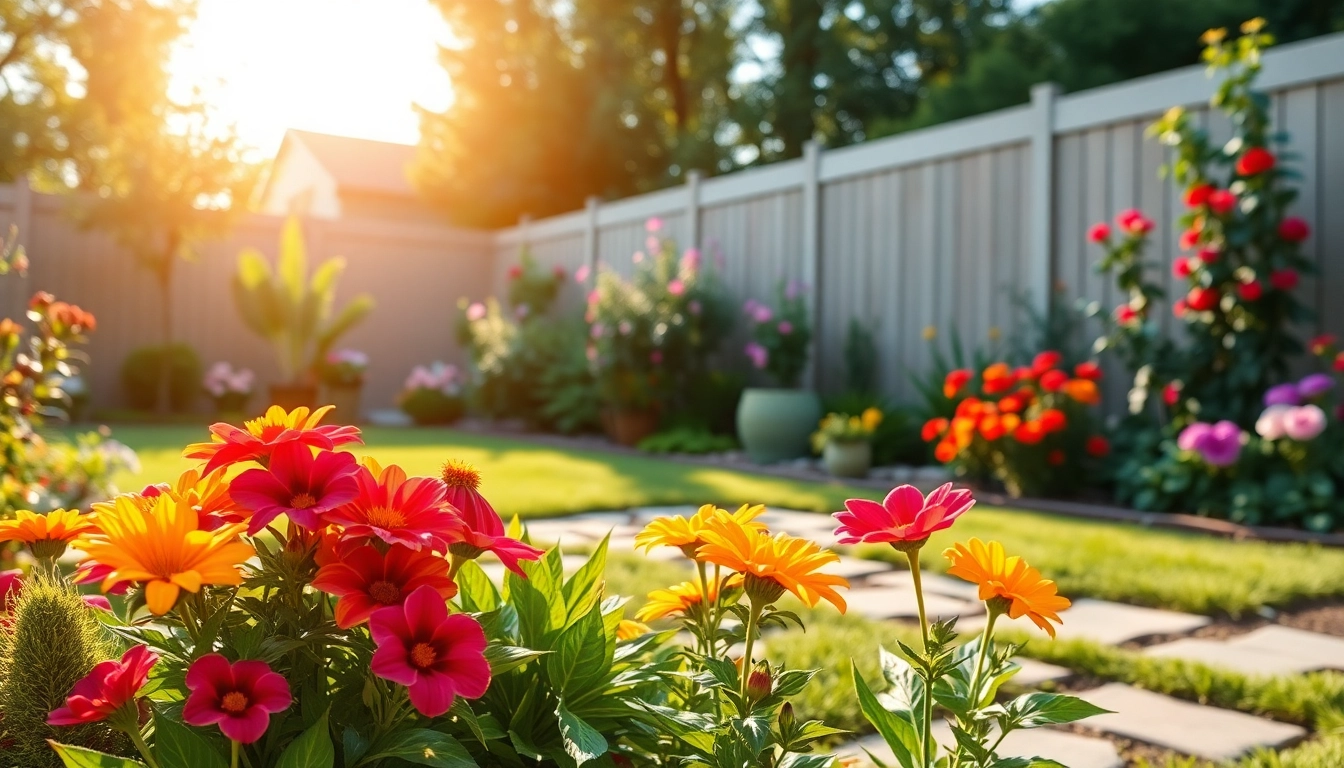
Understanding Landscaping Sydney Basics
When it comes to enhancing the beauty and functionality of outdoor spaces, understanding the fundamentals of landscaping Sydney is essential. From design concepts to implementation techniques, exploring the various dimensions of landscaping not only boosts property values but also promotes a sustainable environment.
What Is Landscaping?
Landscaping is the process of transforming outdoor areas into aesthetically pleasing and functional environments through the arrangement of plants, terrain, and structures. It encompasses a broad spectrum of tasks, including horticultural practices, design and construction, and maintenance. Not limited to just gardens, landscaping can improve parks, residential areas, commercial properties, and public spaces, creating cohesive designs that resonate with nature.
Benefits of Landscaping
The benefits of effective landscaping extend beyond visual appeal. Properly executed landscaping enhances property value, improves mental well-being, and encourages outdoor activity. Additionally, landscaping can play a crucial role in environmental sustainability by promoting biodiversity, managing stormwater runoff, and optimizing microclimates that may affect energy consumption in nearby structures.
Different Types of Landscaping Styles
Understanding different landscaping styles is vital for homeowners and designers alike. Popular styles include:
- Formal Landscaping: Characterized by symmetrical patterns and geometric shapes, often featuring well-maintained hedges and topiaries.
- Informal Landscaping: Emphasizes a more natural look, with curved paths and a diverse mix of plant species.
- Native Landscaping: Incorporates local species that thrive in the climate and soil, promoting environmental sustainability and reducing reliance on irrigation.
- Sustainable Landscaping: Focuses on eco-friendly design elements that minimize environmental impact while maximizing resource use efficiency.
- Desert Landscaping: Features drought-resistant plantings and xeriscaping techniques suitable for arid regions.
Essential Elements of Landscaping in Sydney
Successful landscaping in Sydney hinges on a blend of essential elements that cater to the local climate, soil types, and aesthetic preferences. Understanding these components can lead to a flourishing outdoor space.
Plants and Vegetation Selection
Selecting the right plants is crucial for sustaining landscapes and achieving desired aesthetic outcomes. In Sydney's temperate climate, native plants such as eucalyptus and wattle are ideal options due to their resilience and ability to thrive with minimal maintenance. Additionally, integrating a variety of species can create seasonal interest and promote biodiversity, contributing to a healthy ecosystem.
Hardscaping Components
Hardscaping refers to the non-plant elements within a landscape, such as patios, walkways, retaining walls, and fences. These components offer structure and functionality, guiding movement and delineating spaces within the landscape. The choice of materials such as stone, wood, or concrete adds texture and character, merging seamlessly with vegetative elements.
Water Features and Irrigation Systems
Incorporating water features like ponds, fountains, or streams can introduce tranquility and attract wildlife. Moreover, effective irrigation systems are vital for maintaining the health of plants, especially in Sydney's varying climate conditions. Drip irrigation and rainwater harvesting systems are eco-friendly solutions that reduce water consumption while ensuring plants receive adequate moisture.
Common Challenges in Landscaping Sydney
While landscaping enhances outdoor spaces, several challenges may arise during the process. Knowing these obstacles and how to navigate them can lead to better project outcomes.
Weather Conditions and Their Impact
Sydney experiences a range of weather conditions, from heavy rains to prolonged dry spells. These fluctuations can affect plant growth and landscaping integrity. It's vital to choose weather-resistant plants and implement drainage solutions to mitigate potential water damage.
Soil Quality Variations
Soil quality in Sydney can be inconsistent, with heavy clay or sandy soils being prevalent in different areas. Conducting a soil test prior to planting can help determine nutrient levels and deficiencies. Amendments like organic matter or fertilizers can improve soil health, enabling plants to thrive.
Pest and Disease Management
Pests and diseases can threaten landscaping efforts if not managed properly. Integrated Pest Management (IPM) strategies that encompass cultural, mechanical, and biological controls can help mitigate these risks effectively. Regular monitoring and prompt action are essential for maintaining a healthy landscape.
Best Practices for Landscaping Sydney Success
To achieve the desired results in landscaping Sydney, adhering to best practices is essential. These strategies can ensure long-term success and satisfaction.
Planning and Design Process
A well-planned landscaping project begins with a comprehensive design process. This involves assessing the site, understanding client preferences, and developing a landscape plan that incorporates all elements—plants, hardscaping, and features. Taking into account future growth and seasonal changes will yield a more resilient and appealing space.
Maintenance Tips for Longevity
Maintenance is indispensable to keep landscapes vibrant and healthy. Regular tasks include pruning, mulching, and fertilizing plants, as well as cleaning and repairing hardscaping features. Developing a seasonal maintenance schedule ensures that all components are cared for, prolonging their lifespan.
Eco-friendly Landscaping Solutions
Eco-friendliness is increasingly becoming a priority in landscaping practices. Utilizing native plants, implementing water-efficient irrigation systems, and reducing chemical use are all steps toward creating a sustainable landscape. Techniques such as composting and using organic fertilizers can contribute to healthier soils and plant life.
FAQs About Landscaping Sydney
What is the cost of landscaping Sydney?
The cost of landscaping Sydney can vary greatly depending on the size of the project and materials used. On average, expect to pay between $40 to $100 per square meter.
How long does landscaping take to complete?
Completion time for landscaping Sydney projects typically ranges from a few days to several weeks, influenced by project complexity and weather conditions.
Do I need permits for landscaping in Sydney?
Depending on your project, permits may be required. It's best to check local regulations to ensure compliance before starting.
Can I do landscaping myself?
Yes, DIY landscaping is possible. However, for complex designs or installations, hiring a professional can save time and ensure quality.
What should I consider when selecting plants?
Consider your local climate, soil type, and the amount of sunlight each area receives. Choosing native plants can also enhance sustainability.