Understanding Hydraulic Hose Repair
What is Hydraulic Hose Repair?
Hydraulic hose repair refers to the process of fixing or replacing hoses that transport hydraulic fluid within machinery and equipment. These hoses are crucial for the efficient operation of hydraulic systems, which are widely used in industries such as construction, manufacturing, and agriculture. Over time, hydraulic hoses can become damaged due to various environmental factors and operational stresses, necessitating timely repairs to maintain system efficiency and prevent catastrophic failures.
Common Causes of Hydraulic Hose Damage
Understanding the common causes of hydraulic hose damage is essential for effective maintenance and repair. Some prevalent factors include:
- Wear and Tear: Regular usage can lead to gradual wear of the material, making hoses prone to failure.
- Abrasion: Hoses can be damaged by friction against other components or surfaces, leading to leaks.
- Extreme Temperatures: Exposure to extreme heat or cold can degrade hose materials, affecting flexibility and strength.
- Improper Installation: Incorrect fittings or angles can result in undue stress on hoses, leading to breakage.
- Contamination: Dirt, moisture, and other contaminants can compromise hose integrity and performance.
Importance of Timely Repairs
Timely hydraulic hose repairs are vital for several reasons:
- Operational Efficiency: Leaks or failures can lead to decreased system performance and productivity.
- Safety: A failure in hydraulic systems can pose serious safety risks to operators and nearby personnel.
- Cost Savings: Addressing issues early can prevent extensive damage, reducing repair costs and downtime.
Tools and Equipment Needed for Hydraulic Hose Repair
Essential Tools for DIY Repairs
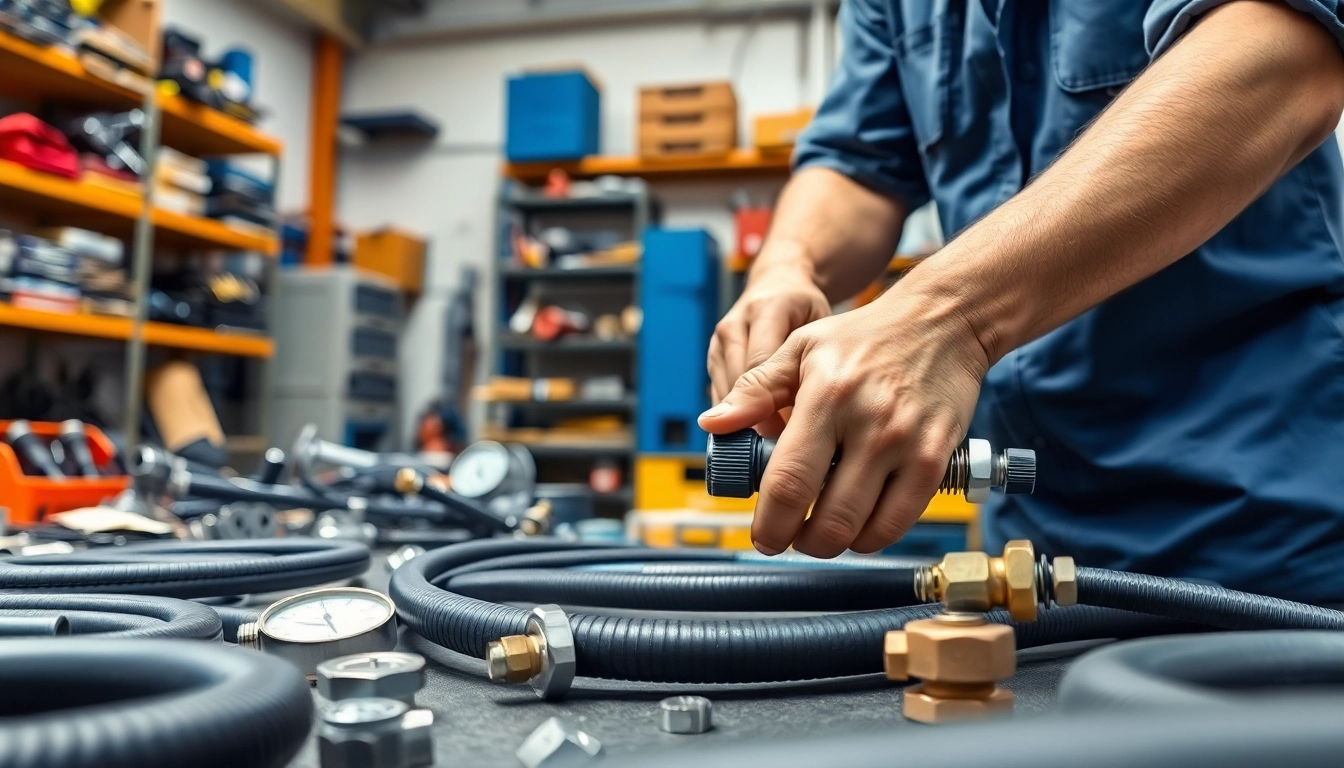
For those considering DIY hydraulic hose repair, having the right tools is crucial. Essential tools include:
- Pipe Cutters: For cleanly cutting the damaged hose.
- Crimping Tools: To attach fittings securely to the new hose.
- Wrenches: For loosening and tightening fittings.
- Measuring Tools: To ensure proper length for replacement hoses.
- Hydraulic Hose Repair Kits: These kits typically contain various connectors and adapters needed for the repair.
Safety Gear and Precautions
Safety should always be a priority when dealing with hydraulic systems. Recommended safety gear includes:
- Safety Glasses: To protect eyes from hydraulic fluid splashes.
- Gloves: To shield hands from sharp edges and hazardous materials.
- Steel-Toed Boots: Essential for foot protection in case of heavy equipment movement.
- Hearing Protection: If working in noisy environments, it’s vital to protect hearing.
How to Choose the Right Equipment
Selecting the appropriate tools and equipment for hydraulic hose repair involves consideration of the specific machinery and hydraulic system in question. Factors include:
- Size and Material of the Hose: Understanding the specifications ensures that the right parts are used.
- Pressure Ratings: Ensure that the hoses and fittings can handle the operating pressures of your system.
- Compatibility: The tools must be compatible with the hose materials and dimensions you are working with.
Step-by-Step Guide to Hydraulic Hose Repair
Identifying the Problem
The first step in any hydraulic hose repair process is accurately identifying the problem. Signs to look out for include:
- Visible wear on the hose surface
- Fluid leaks around connectors or along the hose
- Unusual drops in pressure during operation
Once an issue is suspected, routine checks should be conducted to ascertain the exact nature of the damage.
Removing the Damaged Hose
Carefully removing the damaged hose is paramount to avoid damaging other components. Follow these steps:
- Ensure the hydraulic system is depressurized before starting.
- Locate the various fittings connecting the hose to the system.
- Using appropriate wrenches, loosen and remove the fittings carefully.
- Once detached, take note of the hose length and both ends for easy replication.
Installing the New Hose Properly
Once the damaged hose is removed, the next step involves installing a new hose, as follows:
- Measure and cut the new hose to the required length using a pipe cutter.
- Attach the appropriate fittings to the ends of the hose using crimping tools.
- Ensure the fittings are securely attached before proceeding with installation.
- Reconnect the hose to the hydraulic system, ensuring the fittings are tight to prevent leaks.
Maintenance Tips to Prevent Future Issues
Regular Inspection Best Practices
Regular inspections are crucial in extending the lifespan of hydraulic hoses. Best practices include:
- Conducting visual check-ups for any signs of wear or damage.
- Regularly inspecting connections and fittings for leaks.
- Performing pressure tests to ensure the system operates effectively.
Cleaning and Storage Recommendations
Proper cleaning and storage protect hydraulic hoses from contaminants. Here are some key recommendations:
- Cleaning: Use compatible solvents to remove any build-up on hoses.
- Storage: Store hoses in a cool, dry place away from direct sunlight and extreme temperatures.
When to Replace Your Hydraulic Hoses
Understanding when to replace hydraulic hoses is crucial for maintaining system performance. Consider replacement if:
- A hose exhibits considerable wear or damage.
- Leaks are consistently detected despite repairs.
- The hose is near the end of its expected lifespan, generally 5 to 10 years.
Frequently Asked Questions on Hydraulic Hose Repair
How do I know if my hydraulic hose needs repair?
Look out for visible wear, leaks, or high-pressure drops during operation.
Can I repair a hydraulic hose myself?
Yes, if you have the right tools and knowledge, but ensure safety first.
What materials are hydraulic hoses made from?
Hydraulic hoses are commonly made from synthetic rubber, thermoplastics, or metal.
How long do hydraulic hoses typically last?
With proper maintenance, hydraulic hoses can last anywhere from 5 to 10 years.
When should I consider a hydraulic hose replacement?
If the hose shows significant wear, damage, or has reached its lifespan, replace it immediately.
For expert advice and services in hydraulic hose repair, refer to hydraulic hose repair solutions that prioritize quality and safety.
Contact Information
Call Us: 780.452.2876Email: [email protected]Address: 13111 159 Street Edmonton, AB T5V 1H6