
Port terminals are at the heart of global trade, handling millions of containers and cargo shipments every year. As international commerce continues to expand, ports are under increasing pressure to process goods more efficiently while maintaining safety, accuracy, and reliability. Modern technology is transforming port terminal management by introducing automation, digital monitoring, and intelligent logistics systems that improve operational performance and strengthen global supply chains.
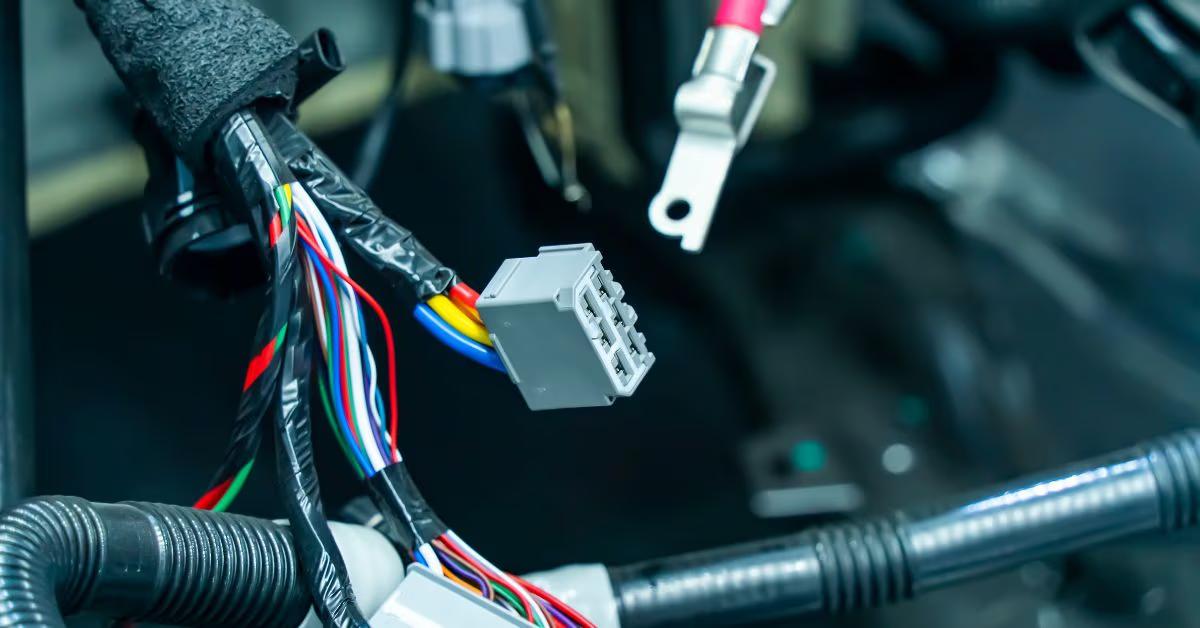
Reliable electrical systems are essential for supporting these technological advancements. A high-quality automotive connector provides secure electrical connections for cranes, automated vehicles, cargo handling equipment, and terminal control systems. Leading automotive electrical connector manufacturers develop precision-engineered connectors that deliver dependable performance in demanding port environments.
The Digital Transformation of Port Terminals
Traditional port operations relied heavily on manual processes, making cargo handling slower and more labor-intensive. Today, advanced technologies such as automation, IoT devices, artificial intelligence, and digital management platforms enable ports to process larger cargo volumes with greater speed and efficiency.
Professional automotive electrical connector manufacturers support this transformation by supplying durable electrical connectors designed for modern logistics equipment and industrial automation.
How Technology Improves Port Terminal Management
Automated Cargo Handling
Automated cranes, guided vehicles, and conveyor systems significantly improve loading and unloading operations. Every automotive connector used in these systems helps ensure reliable electrical communication and continuous equipment performance.
Real-Time Monitoring
Digital monitoring systems provide operators with instant information about cargo movement, equipment status, and terminal operations. Sensors and communication devices rely on stable electrical connections to transmit accurate data throughout the terminal.
Improved Equipment Reliability
Port equipment operates under challenging conditions that include vibration, moisture, salt exposure, dust, and temperature changes. High-quality connectors developed by experienced automotive electrical connector manufacturers improve durability and reduce maintenance requirements.
Smarter Logistics Management
Integrated software platforms coordinate cargo scheduling, inventory management, transportation planning, and equipment utilization. These intelligent systems help terminal operators improve efficiency while reducing operational delays.
Applications of Advanced Terminal Technology
Modern technology is widely used across port terminal operations, including:
- Container cranes
- Automated guided vehicles
- Cargo conveyor systems
- Warehouse automation
- Cargo scanning equipment
- Fleet management systems
- Electric port vehicles
These applications depend on reliable electrical infrastructure to maintain smooth and uninterrupted logistics operations.
Choosing the Right Connector Manufacturer
Businesses investing in advanced port technology should partner with experienced automotive electrical connector manufacturers that provide precision engineering, advanced production capabilities, consistent quality control, and compliance with international manufacturing standards.
A dependable supplier offers high-performance automotive connector solutions that support automation, intelligent logistics systems, and modern cargo handling equipment.
Conclusion
Technology is revolutionizing port terminal management by improving automation, increasing operational efficiency, enhancing cargo visibility, and supporting smarter logistics operations. As ports continue to modernize, reliable electrical connectivity remains a critical element in maintaining the performance of automated equipment and digital management systems.
By partnering with trusted automotive electrical connector manufacturers and utilizing high-quality automotive connector solutions, businesses can build more efficient port terminals, improve equipment reliability, and strengthen global supply chain operations for the future.