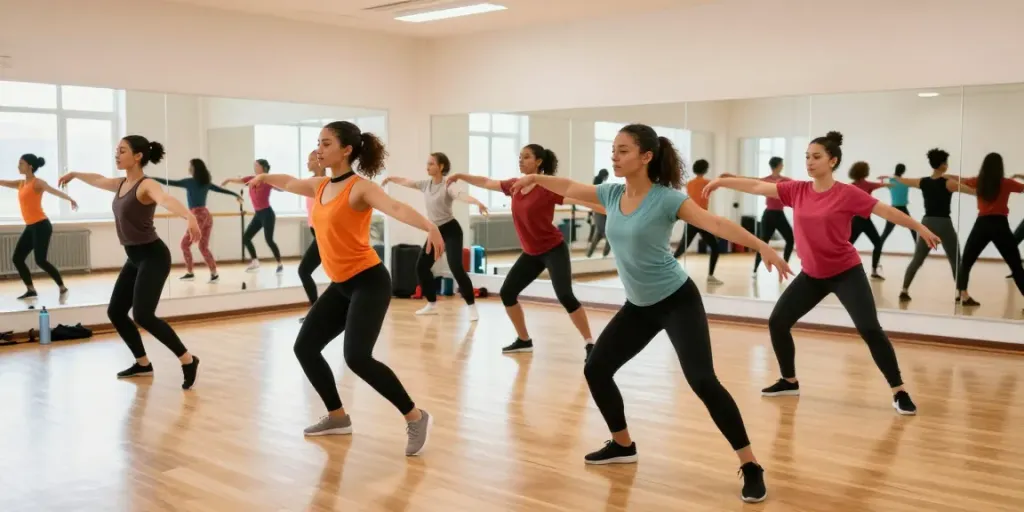
Understanding Dance Fundamentals
Dance is a multifaceted art form that transcends cultural boundaries, expressing stories and emotions through movement. At kineticsynergydancecompany.com, aspiring dancers can delve into various dance styles, refine their technique, and gain valuable insights into the world of dance. This comprehensive guide covers the core aspects of dance, from foundational styles to the intricacies of technique, rhythm, and timing, ultimately empowering dancers of all levels to enhance their skills and passion for this art form.
What Are the Core Dance Styles?
Understanding the core styles of dance is pivotal for anyone looking to strengthen their skills. Dance is broadly categorized into several styles, each with unique characteristics and techniques:
- Ballet: Known for its graceful movements and formalized steps, ballet serves as the foundation for many other dance forms.
- Jazz: A lively and energetic dance style that blends various techniques and often incorporates improvisation.
- Hip-Hop: A street dance style that includes breakdancing and various forms emphasizing rhythm and style.
- Contemporary: A fusion of several dance forms focusing on expression and storytelling through movement.
- Tap: Characterized by rhythmic footwork and sound, tap dance emphasizes the use of the dancer's shoes as an instrument.
Essential Techniques and Postures
Mastering essential techniques and postures is crucial in developing a dancer's identity. Key techniques include:
- Alignment: Ensuring the body is in a proper position to prevent injuries and improve performance.
- Core Strength: Building a strong core facilitates better control and stability during movements.
- Flexibility: Stretching and flexibility exercises enable dancers to achieve more extensive movements and prevent injuries.
The Importance of Rhythm and Timing
Rhythm and timing are foundational elements of dance. Understanding musicality allows dancers to interpret music creatively and expressively. Effective practice with various music styles can increase a dancer's sense of timing, contributing to more impactful performances.
Creating a Structured Practice Schedule
To progress as a dancer, establishing a structured practice schedule is essential. Consistent practice allows for gradual improvement in technique and performance skills. Here are key components for creating a schedule:
Weekly Planning for Progress
Organizing your practice week can maximize your efficiency. Consider allocating specific days to focus on various styles or techniques. This could involve:
- Practicing ballet on Mondays and Wednesdays,
- Focusing on jazz and contemporary on Tuesdays and Thursdays, and
- Engaging in free dance or improvisation during the weekend.
Balancing Technique and Creativity
While technical mastery is important, balancing it with creative expression keeps your practice engaging. Make time for improvisation sessions, where you can experiment with new movements and explore personal style.
Incorporating Rest and Recovery
Rest and recovery are vital for a dancer’s longevity and well-being. Ensure your schedule includes:
- Active rest days with low-impact activities like yoga or stretching,
- Time for mental recovery with relaxation techniques,
- Listening to your body to prevent burnout or injury.
Overcoming Common Dance Challenges
Every dancer faces challenges throughout their journey. Identifying these hurdles and strategizing to overcome them is part of growth. Here are common challenges and how to address them:
Addressing Flexibility Issues
Flexibility can be a significant barrier for many dancers. Incorporate daily stretching routines into your practice, and consider enrolling in specialized flexibility classes.
Building Strength and Endurance
To improve strength, include cross-training exercises such as Pilates or weight training. Engaging in cardiovascular workouts can also boost endurance, essential for longer performances.
Managing Performance Anxiety
Performance anxiety is a common concern for dancers. Techniques such as visualization, controlled breathing, and preparation can help build confidence before a performance.
Advanced Dance Techniques to Explore
For those looking to elevate their dance skills further, exploring advanced techniques can provide new avenues for expression and creativity.
Integrating Contemporary Styles
Contemporary dance often combines elements from various styles, allowing for a rich exploration of movement. Experimenting with contemporary techniques can enhance your versatility as a dancer.
Exploring Partner Work and Improvisation
Partner work can introduce new dynamics into your performances. Practicing lifts and cooperative movements can enhance your connection with other dancers, while improvisation promotes spontaneity and creativity.
Using Props and Set Design Effectively
Incorporating props can add depth to your performances. Understanding how to interact with props effectively can create engaging visual narratives that captivate audiences.
Tracking Your Progress and Achievements
Tracking your progress is essential for recognizing growth and maintaining motivation. Here’s how you can effectively monitor your journey:
Setting Measurable Goals
Establish specific, measurable goals that guide your practice, such as mastering a particular dance sequence or improving flexibility by a certain degree.
Using Video Feedback for Improvement
Recording practice sessions enables dancers to view their movements critically, facilitating targeted improvements and aiding in technique refinement.
Celebrating Milestones in Your Dance Journey
Recognizing and celebrating milestones, whether mastering a new move or completing a performance, reinforces motivation and encourages further growth.
How can I improve my dance skills at kineticsynergydancecompany.com?
Improving dance skills involves consistent practice, seeking feedback, and exposing oneself to various styles and techniques. Engaging with community resources, such as classes offered at kineticsynergydancecompany.com, can provide essential tools for growth.
What classes are available for different skill levels?
At kineticsynergydancecompany.com, a range of classes caters to varying skill levels, ensuring that every dancer can find a suitable environment for learning and growth.
How to prepare for a dance audition?
Preparation for a dance audition involves revisiting technique, selecting the right repertoire, and rehearsing performance pieces to instill confidence.
What should I wear for dance classes?
The attire for dance classes generally consists of comfortable clothing that allows for ease of movement, such as leggings, fitted tops, and appropriate footwear.
How can I stay motivated during training?
Staying motivated involves setting personal goals, surrounding oneself with supportive peers, and engaging in diverse dance experiences to keep the passion alive.