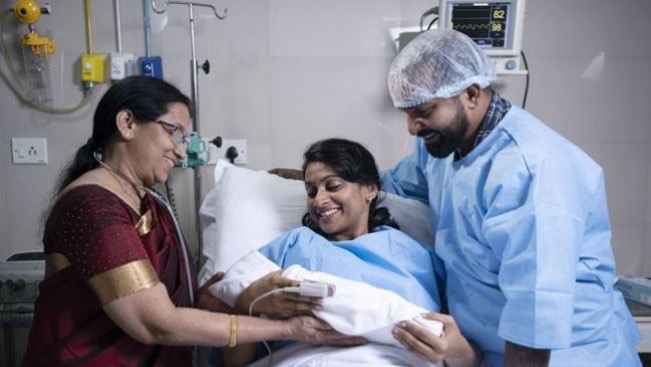
Menstrual cycles are an important indicator of reproductive health. Irregular periods may result from hormonal changes, lifestyle factors, or underlying medical conditions that require attention. Many women consult a gynecologist for concerns such as missed periods, unpredictable cycles, or heavy bleeding. Seeking advice from a gynic doctor Khammam can help identify the cause and support timely treatment.
Irregular periods can affect women of all ages and may be caused by temporary changes or more complex health conditions. While occasional variations are common, persistent irregularities should be evaluated to ensure proper diagnosis and effective management.
Understanding Irregular Periods
A normal menstrual cycle generally occurs every 21 to 35 days and follows a predictable pattern. Irregular periods occur when the cycle length changes significantly, periods are missed, bleeding becomes excessively heavy or light, or menstruation occurs unpredictably. These changes may be occasional or recurring, depending on the underlying cause.
Menstrual regularity is controlled by a complex interaction of hormones produced by the brain, ovaries, and endocrine system. Any disruption in this balance can affect ovulation and menstrual timing. While some irregularities are expected during puberty and the transition toward menopause, frequent cycle disturbances often require medical evaluation.
Common Causes of Menstrual Irregularities
Hormonal imbalance is one of the most common reasons for irregular periods. Factors such as stress, weight changes, thyroid disorders, reproductive health conditions, and certain medications can influence hormone production and disrupt menstrual cycles. Seeking guidance from the best lady gynecologist in Khammam can help determine the exact cause and support effective treatment planning.
In addition to hormonal issues, lifestyle factors such as poor nutrition, excessive exercise, emotional stress, and lack of sleep can contribute to menstrual disturbances. Identifying these contributing factors is an important step toward restoring menstrual regularity and improving overall health.
Hormonal Conditions That Affect Menstrual Cycles
Several medical conditions can directly influence hormone balance and menstrual function. These conditions often require professional evaluation and long-term management to prevent complications.
1. Polycystic Ovary Syndrome (PCOS)
PCOS is one of the leading causes of irregular periods among women of reproductive age. The condition affects ovulation and hormone production, leading to infrequent or absent menstrual cycles. Women with PCOS may also experience weight gain, acne, excessive hair growth, and fertility concerns.
2. Thyroid Disorders
The thyroid gland plays a significant role in regulating metabolism and hormone activity. Both hypothyroidism and hyperthyroidism can interfere with menstrual cycles, resulting in irregular bleeding patterns, missed periods, or changes in menstrual flow.
3. Premature Ovarian Insufficiency
This condition occurs when ovarian function declines earlier than expected. It can lead to irregular periods, fertility challenges, and symptoms similar to menopause, including hot flashes and mood changes.
4. Elevated Prolactin Levels
Excessive production of prolactin, a hormone associated with breastfeeding, can interfere with ovulation and menstrual regularity. Proper diagnosis is essential to identify the underlying cause and determine appropriate treatment.
5. Hormonal Changes During Life Stages
Puberty, pregnancy, postpartum recovery, and perimenopause are natural life stages associated with hormonal fluctuations. These changes may temporarily affect menstrual patterns and cycle predictability.
Recognizing Symptoms Associated with Irregular Periods
Irregular periods often occur alongside other symptoms that provide valuable clues about the underlying cause. Women may notice changes in bleeding volume, cycle duration, physical discomfort, or hormonal symptoms.
Common associated symptoms include excessive menstrual bleeding, very light periods, severe cramps, pelvic discomfort, fatigue, mood changes, acne, weight fluctuations, and difficulty conceiving. Persistent symptoms should be evaluated by a healthcare professional to identify any underlying medical concerns.
Importance of Early Diagnosis
Early diagnosis plays a crucial role in preventing complications associated with irregular periods. Delaying medical evaluation may allow underlying conditions to progress, potentially affecting fertility, hormonal health, and overall well-being.
Healthcare providers use a combination of medical history, symptom assessment, physical examination, and diagnostic testing to determine the cause of menstrual irregularities. Early identification of conditions such as PCOS, thyroid disorders, or reproductive health concerns enables prompt treatment and improved outcomes.
Diagnostic Methods Used in Evaluation
Accurate diagnosis is essential for creating an effective treatment plan. Healthcare providers may recommend several tests to understand the cause of menstrual irregularities and assess reproductive health.
Blood tests are commonly used to evaluate hormone levels, thyroid function, and nutritional deficiencies. Pelvic ultrasound examinations help visualize the uterus and ovaries, identifying conditions such as ovarian cysts or fibroids. Additional imaging studies or specialized hormonal assessments may be recommended depending on individual symptoms and medical history.
Treatment Options for Irregular Periods
Treatment depends on the underlying cause and severity of symptoms. The primary goal is to restore hormonal balance, regulate menstrual cycles, and address any associated medical conditions.
Lifestyle modifications are often recommended as an initial approach. Maintaining a healthy weight, following a balanced diet, managing stress, and engaging in regular physical activity can significantly improve menstrual health. Hormonal medications may be prescribed to regulate cycles and support reproductive function.
For women with underlying conditions such as thyroid disorders or PCOS, targeted treatment plans focus on managing the specific condition responsible for menstrual irregularities. Regular follow-up appointments help monitor progress and adjust treatment when necessary.
Preventive Measures and Healthy Habits
Maintaining healthy lifestyle habits can significantly support menstrual regularity and overall reproductive health.
● Maintain a healthy body weight
● Follow a balanced and nutritious diet
● Engage in regular physical activity
● Manage stress effectively
● Get adequate sleep each night
● Stay hydrated throughout the day
● Avoid excessive dieting or overexercising
● Monitor menstrual cycle patterns regularly
● Attend routine gynecological checkups
● Seek medical advice for persistent symptoms
Conclusion
Irregular periods can result from a variety of hormonal, lifestyle, and medical factors. Understanding the causes and recognizing symptoms early are essential for timely diagnosis and effective treatment. With proper medical evaluation and personalized care, most menstrual irregularities can be successfully managed, helping women maintain reproductive health and overall well-being.
Ankura Hospital is recognized for its comprehensive women’s healthcare services, advanced diagnostic capabilities, and experienced specialists dedicated to patient-centered care. The hospital provides expert evaluation and treatment for a wide range of gynecological conditions, supporting women through every stage of life. Along with specialized women’s healthcare, Ankura Hospital also offers access to the best pediatric doctor in Vijayawada, ensuring integrated and compassionate care for both women and children under one trusted healthcare network.