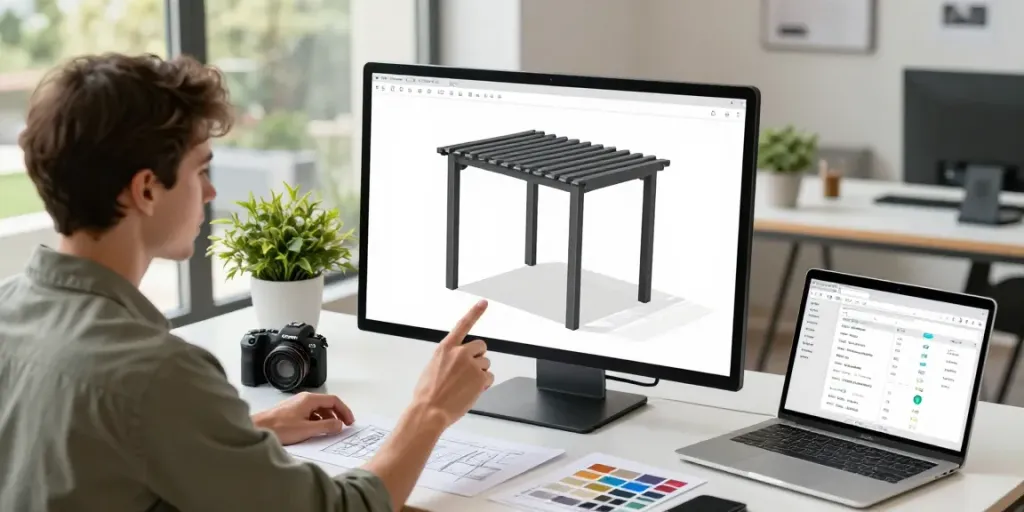
The Importance of 3D Product Visualization Software
In today's competitive marketplace, businesses are constantly seeking innovative solutions to enhance customer engagement and streamline the purchasing process. One of the most effective tools in this endeavor is 3D product visualization software, which allows consumers to explore products in a relatable and immersive way. By leveraging this technology, brands can provide customers with a clearer understanding of their offerings, ultimately leading to informed purchasing decisions and increased sales.
Understanding Customer Engagement Through Visualization
The advent of 3D product visualization has transformed how customers interact with products online. Traditional static images often fail to capture the nuances and details that potential buyers crave. In contrast, 3D visualization encapsulates the entire product experience, enabling customers to see items from every angle, zoom in on details, and understand how a product will fit within their space.
Engagement is further heightened with features like interactive configurators, where customers can customize their selections—be it colors, materials, or dimensions. This level of personalization not only builds excitement but also fosters a sense of ownership over the purchasing process, aligning perfectly with modern consumer expectations for customized experiences.
Enhancing Product Understanding and Choice Clarity
One of the primary benefits of using 3D product visualization software is the clarity it provides concerning product features and specifications. Shoppers today are inundated with choices and can easily feel overwhelmed—a clear, visual representation of various product options helps cut through the noise. For instance, a customer purchasing outdoor furniture can explore how different pieces will look on their patio, experiment with different colors, and visualize the dimensions in relation to their available space.
By presenting a comprehensible visual narrative, potential buyers can assess their ideal configurations, leading them to make informed choices and reducing the likelihood of returns. This capability to visualize completed projects fosters confidence, making customers more likely to proceed with a purchase.
Common Misconceptions About 3D Software
Despite the advantages, misconceptions surrounding 3D product visualization software persist. Some may believe that integrating such technology is overly complex or that it is only suitable for large corporations with significant budgets. In reality, advancements in technology have made these tools more accessible and user-friendly, catering to businesses of all sizes.
Moreover, the initial setup may appear daunting, but many software providers offer comprehensive support services to assist with configuration and training. The investment often pays off quickly by enhancing customer insights and conversion rates, debunking the myth that this technology is exclusively for the tech-savvy retail giants.
Key Features of Effective 3D Product Visualization Software
To achieve the best outcomes with 3D product visualization, it's vital to ensure that the software includes specific features that can genuinely enhance the customer experience and facilitate sales.
Real-Time Interaction and Customization Capabilities
Real-time interaction is a cornerstone of effective 3D product visualization tools. Customers should be able to manipulate 3D models, rotate them, and view them in different contexts, such as their homes or office spaces. This level of interactivity not only engages users but also allows them to personalize their choices entirely.
Furthermore, customization capabilities enable users to see how different finishes, colors, and configurations impact the overall aesthetic and functionality of a product. This real-world simulation experience can significantly influence purchasing decisions, as users can visualize their ideal setup without needing to visit a physical store.
Integration with Sales and Marketing Tools
Effective 3D visualization software should seamlessly integrate with existing sales and marketing tools. This facilitates smooth collaboration between different departments, enabling marketing teams to develop targeted campaigns using accurate and up-to-date product information. Additionally, sales teams can use visualizations during presentations, enhancing their pitch with compelling visuals that resonate with customers.
By connecting 3D visualization software with CRM systems, businesses can track customer interactions and preferences, leading to more tailored marketing strategies and improved customer relationships. The right integrations foster a cohesive ecosystem that supports sales growth and enhances customer loyalty.
Visualization Quality: From 3D Models to Realism
The quality of visualization directly impacts customer perception. High-resolution graphics and realistic renderings can make a significant difference in how products are perceived. Customers are more inclined to trust representations that appear lifelike, as this creates a sense of authenticity.
Additionally, advanced lighting and texture options can elevate the perceived quality of products, making them more appealing. Therefore, investing in software that offers high-quality rendering capabilities is vital for brands striving to create an immersive shopping experience.
Challenges in Implementing 3D Product Visualization
While the benefits of 3D product visualization are clear, businesses may face various challenges during implementation. Understanding these hurdles is essential for a smooth transition.
Technical Barriers and Software Limitations
Technical barriers can include inadequate hardware or software that doesn't support advanced visualization capabilities. Companies may need to invest in high-performance computers or enhance their internet bandwidth to accommodate real-time rendering. Software limitations may also arise from outdated platforms that cannot provide the immersive experiences customers expect.
Addressing these challenges early on can prevent future roadblocks, ensuring that the technology works seamlessly and effectively meets customer needs.
User Training and Adoption Issues
Even the most sophisticated 3D product visualization software is only as effective as the team using it. Businesses must prioritize training and support for staff to ensure they can utilize the tools to their full potential. Resistance to change is common; therefore, fostering a culture that embraces new technology is essential for successful adoption.
Budget Constraints for Small Businesses
For small businesses, budget constraints often pose significant challenges when it comes to investing in advanced 3D visualization technology. However, many software providers offer scalable solutions that cater to different budgets, often with flexible pricing plans that allow businesses to grow their capabilities over time.
By seeking the right partners and focusing on the long-term benefits of improved customer engagement and sales, small businesses can effectively navigate these financial obstacles.
Best Practices for Utilizing 3D Product Visualization
To maximize the return on investment from 3D product visualization, businesses should adopt specific best practices that enhance user engagement and support sales objectives.
Creating an Engaging User Experience with Configurators
Interactive product configurators can significantly enhance user experience. By allowing customers to customize their choices and visualize the results in real-time, brands can foster a more engaging and enjoyable shopping process. Clear instructions, an intuitive interface, and visually appealing elements are essential for ensuring customers can navigate the configurator with ease.
Additionally, providing helpful tips and suggestions throughout the process can enrich user interaction and guide customers toward optimal product choices.
Leveraging Customer Feedback in the Design Process
Incorporating customer feedback into the design process is crucial for ensuring that products meet consumer expectations. Conducting surveys or utilizing feedback tools within visualization software allows businesses to gather insights directly from their target audience. This feedback can inform design iterations, leading to improved products that resonate with customers.
Engaging with customers not only improves products but also cultivates a loyal customer base willing to act as brand advocates.
Case Studies: Successful Implementations in Various Industries
Drawing inspiration from successful case studies can provide valuable insights into how 3D product visualization software can be effectively utilized across different industries. For example, furniture brands have effectively used 3D visualization to show how their products fit into different room layouts, allowing customers to visualize their purchase in realistic settings.
Similarly, automotive manufacturers employ 3D visualization to enable customers to customize vehicles, enhancing engagement and driving sales. These examples showcase the versatility of visualization tools and their ability to cater to various market demands.
The Future of 3D Product Visualization Software
The future of 3D product visualization software is poised for exciting advancements, with emerging trends shaping the experience for both businesses and consumers.
Emerging Trends and Technologies for 2026
As technology continues to evolve, trends such as artificial intelligence (AI) and machine learning will play a crucial role in enhancing 3D visualization capabilities. These technologies can automate tasks, streamline the design process, and analyze customer data to deliver personalized experiences.
Furthermore, the integration of cloud-based solutions will enhance accessibility, enabling businesses to manage their visualization tools from anywhere and collaborate more efficiently across teams.
How AR and VR Are Shaping the Industry
Augmented reality (AR) and virtual reality (VR) are two transformative forces behind the evolution of 3D product visualization. These technologies allow users to interact with products in a more immersive manner, bridging the gap between the virtual and physical worlds. For instance, AR applications enable customers to visualize how a piece of furniture would look in their space using just their smartphone camera.
As AR and VR technologies become more mainstream, businesses that embrace these innovations will gain a competitive edge, offering more engaging and memorable experiences that enhance customer satisfaction.
Preparing for the Next Generation of Sales Tools
As we look toward the future, businesses must prepare for the next generation of sales tools that will utilize 3D visualization. This includes embracing a more data-driven approach to understanding customer preferences and behavior. By leveraging analytics to track user interactions with 3D models, companies can gain insights that inform their marketing strategies and product development, allowing them to stay ahead of the competition.
What is 3D product visualization software?
3D product visualization software is a technology that allows businesses to create realistic, interactive representations of their products. This software can generate detailed 3D models that potential customers can explore, manipulate, and customize, enhancing their understanding and engagement with the product.
How can 3D visualization improve sales?
By providing customers with an engaging way to explore products, 3D visualization can significantly improve sales. It enhances customer confidence in their purchasing decisions, minimizes returns, and fosters a more enjoyable shopping experience.
What should I look for in 3D product visualization software?
When selecting 3D product visualization software, consider factors such as integration capabilities, quality of visualization, user-friendliness, and customer support. It’s essential to choose a solution that aligns with your business needs and enhances your sales process.
Is 3D visualization effective for all products?
While 3D visualization is highly effective for many product categories—especially those where dimensions and aesthetic appeal are crucial—its effectiveness will vary based on the product type. It's most beneficial for items requiring visual context, such as furniture, home decor, and complex machinery.
Can I use 3D visualization software without technical expertise?
Yes, many modern 3D visualization solutions are designed to be user-friendly and accessible, even for those without technical expertise. Providers often offer extensive training and support, enabling businesses to effectively utilize the software.