Introduction to Real Estate Photography
In the competitive world of real estate, capturing the essence of a property through Real Estate Photography has become crucial. This specialized field goes beyond simply taking pictures; it involves employing a range of techniques and tools to create captivating visuals that evoke emotions and highlight the unique selling points of a property. As digital platforms continue to dominate the real estate marketplace, high-quality images are now a foundational element that can significantly influence a buyer's decision-making process.
What is Real Estate Photography?
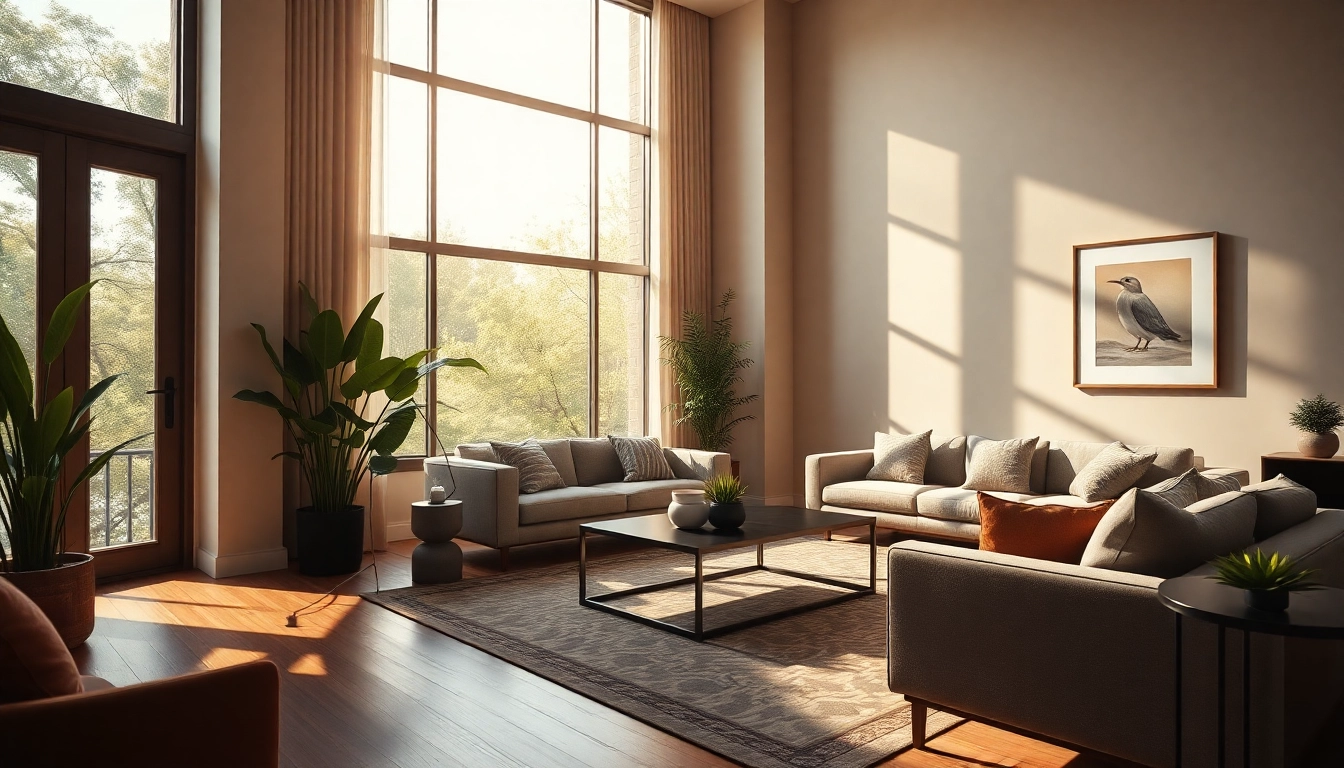
Real estate photography refers to the tailored photography process aimed specifically at showcasing residential and commercial properties for marketing purposes. This discipline combines technical skill with an artistic touch, focusing on elements like composition, lighting, and staging to create compelling images that attract potential buyers. From capturing expansive views of a sunlit living room to highlighting modern kitchen features, the goal of real estate photography is to present properties in the best possible light.
Importance of Quality Visuals
Research indicates that listings with high-quality images receive 118% more views than those with standard images. This statistic underscores the significance of quality in visual storytelling. In an industry driven by first impressions, captivating photographs can increase engagement and drive more prospective buyers to schedule viewings. Quality visuals not only reveal the property's features but also create an emotional connection, encouraging the viewer to imagine themselves living in that space.
Understanding Target Audience
Every real estate agent or photographer must understand their target audience for effective marketing. Different buyer demographics have varying preferences; for instance, millennials might seek modern aesthetics and open plans, while families may prioritize space and functionality. By understanding the audience's needs and desires, photographers can tailor their shoots accordingly, highlighting relevant features that resonate with potential buyers.
Essential Equipment for Real Estate Photography
Cameras and Lenses
Choosing the right camera and lens is foundational for achieving stunning real estate photography. While a professional DSLR or mirrorless camera offers the best quality, even high-end compact cameras can suffice for beginners. Wide-angle lenses (10-24mm) are essential for real estate as they capture more of the room; however, care must be taken to avoid distortion which can misrepresent space. Using a reliable camera body with good low-light capabilities ensures that interior shots remain sharp and clear, even in challenging lighting conditions.
Lighting Tools
Proper lighting is critical in real estate photography. Utilizing natural light is ideal, but supplemental lighting can enhance images significantly. External flashes, LED panels, or continuous light sources can illuminate darker areas within a home. Several photographers also invest in diffusers to soften harsh light, creating a more inviting ambiance in their photos. Understanding how to balance ambient and artificial light is integral to producing professional-looking images.
Tripods and Stabilizers
Stability is key to achieving clear, sharp real estate photographs. Using a tripod allows you to keep your camera steady, especially during long exposures or when shooting in low light. This stability not only avoids blurriness but also enables the photographer to shoot at lower ISO settings, which improves image quality. Gimbals or stabilizers may also come into play, particularly for panoramic photography or video, ensuring smooth and fluid motion throughout the shoot.
Techniques for Capturing Stunning Real Estate Photography
Composition and Angles
Understanding composition is crucial for creating striking real estate images. The rule of thirds—a compositional guideline where you divide your frame into thirds—helps create a balanced image that draws attention to focal points. Additionally, shooting from a height of approximately five feet often provides a perspective similar to that of a person walking through the space, enhancing relatability. Experimenting with different angles, such as low or high viewpoints, can also introduce unique perspectives that elevate the overall appeal of the photo.
Lighting Techniques
Mastering lighting techniques can dramatically improve your photography. During the golden hour—just after sunrise or before sunset—natural light casts a warm, inviting glow that enhances exterior shots. For interior shots, consider using window light in conjunction with artificial lights to create depth and avoid flat images. HDR (High Dynamic Range) techniques can also be employed when shooting, balancing highlights and shadows to capture details in bright and dark areas equally.
Staging Properties Effectively
Staging a property does not only involve arranging furniture but also creating an atmosphere that feels inviting and appealing. A well-staged property allows potential buyers to visualize themselves inhabiting the space. This can be achieved by decluttering, adding fresh flowers, and ensuring that rooms are well-lit. In addition, adjusting color schemes and thematic decor can elevate the perception of the space, appealing more closely to the target demographic.
Post-Production Tips for Real Estate Photography
Editing Software Options
The post-production phase is critical in real estate photography, turning good images into great ones. Popular editing software such as Adobe Lightroom and Photoshop offers a range of tools for color correction, exposure adjustment, and photo enhancement. Using Lightroom for batch editing can streamline the process, allowing photographers to maintain consistency across a series of images from the same property shoot.
Common Editing Techniques
Common editing techniques include adjusting brightness and contrast, sharpening images, and applying lens corrections to compensate for any distortion from the wide-angle lens. It is also vital to balance colors, ensuring that they appear true to life rather than overly saturated. Applying vignette effects can further draw attention to the subject of the image, helping to create an air of sophistication and allure.
Enhancing Image Quality
One of the goals of post-production is to enhance image quality without losing authenticity. Techniques like noise reduction and high-pass sharpening can improve clarity without compromising the natural feel of the photograph. It is important to approach editing with a light touch; over-editing can lead to unrealistic images that may deter potential buyers.
Marketing and Selling Real Estate Photography
Creating a Portfolio
A well-constructed portfolio is essential for any aspiring real estate photographer. It should showcase a variety of styles, locations, and property types to appeal to a broader audience. Featuring before-and-after images can demonstrate the impact of professional photography on property appeal. Ensure that your online portfolio is easy to navigate, professionally presented, and includes concise descriptions that highlight the unique features of each property.
Networking for Success
Networking is vital for success in real estate photography. Joining local real estate groups, attending industry events, and collaborating with real estate agents can build valuable relationships. These connections may lead to referral work or partnerships, further expanding your reach. Social media platforms also serve as excellent networking tools; sharing your work and engaging with others in the industry can help increase visibility and establish credibility.
Leveraging Social Media
In today's digital age, leveraging social media for marketing is indispensable. Platforms like Instagram and Pinterest are visually driven, making them ideal for showcasing real estate photography. Regularly posting high-quality images, engaging with followers, and utilizing hashtags can significantly increase exposure. Creating short videos or virtual tours can also attract interest and allow potential buyers to experience the property before visiting in person.
Frequently Asked Questions
What is real estate photography?
Real estate photography involves photographing residential or commercial properties for marketing purposes, focusing on appealing visuals to attract buyers.
What equipment do I need for real estate photography?
A DSLR or mirrorless camera, a wide-angle lens, tripod, and good lighting equipment are essential for capturing high-quality real estate images.
How can I improve my real estate photography skills?
Practice different techniques, learn about lighting and composition, and consider taking an online course focused on real estate photography.
What editing software is best for real estate photos?
Adobe Lightroom and Photoshop are popular choices for professional editing, offering tools for enhancing images and correcting common issues.
How do I market my real estate photography services?
Create a professional portfolio, network with real estate agents, and use social media platforms to showcase your work and reach potential clients.