Understanding Forklift Basics
In the world of industrial machinery, the forklift stands out as a critical tool for material handling and logistics. Forklifts are powered industrial trucks designed to lift and transport heavy loads, revolutionizing the way goods are moved in warehouses, factories, and construction sites. Understanding the fundamentals of forklifts is essential for those involved in warehouse operation, construction, and logistics management.
What is a Forklift?
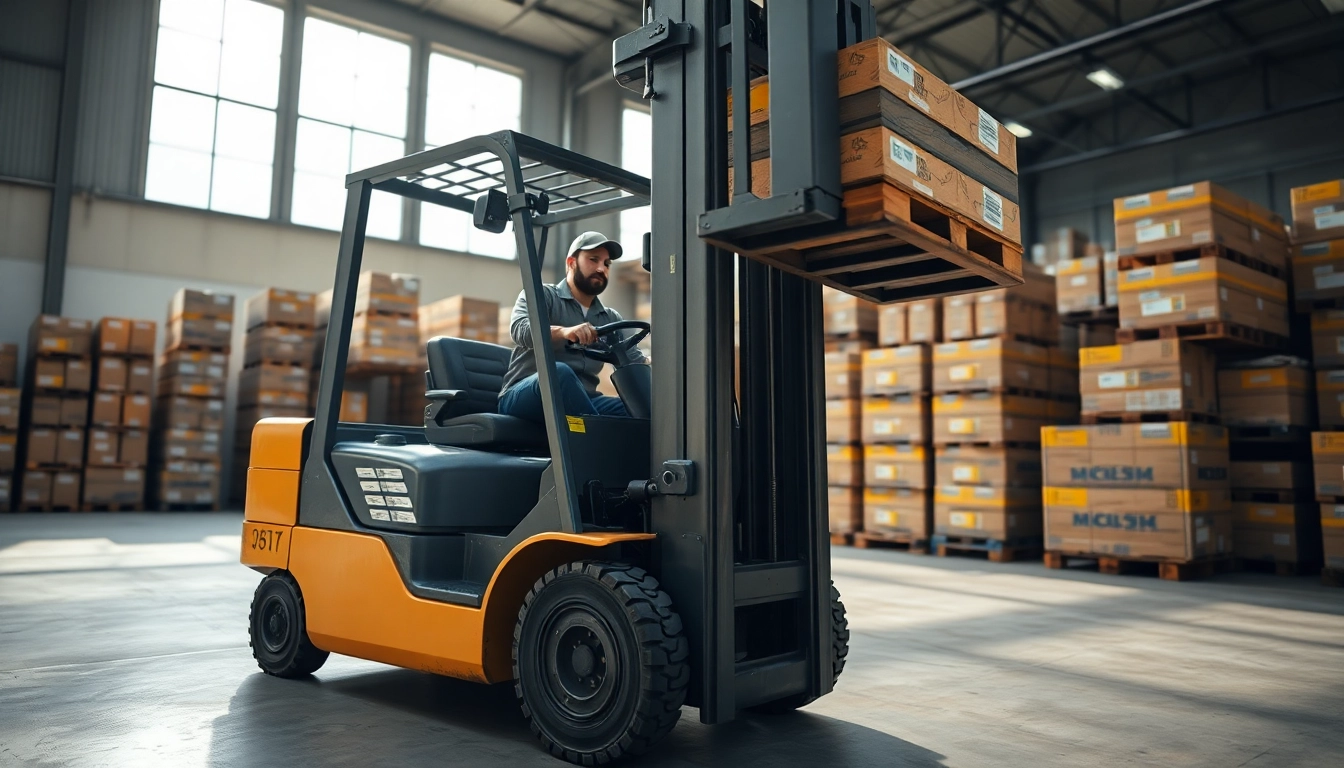
A forklift, often referred to as a lift truck or fork truck, is a powered vehicle equipped with a pair of forks mounted on a frame that can be raised and lowered. It is primarily used for lifting and moving materials over short distances. Forklifts come in various shapes and sizes, ranging from small electric pallet jacks to large rough-terrain models. Their versatility makes them indispensable in environments where heavy loads are common.
Components of a Forklift
Understanding the components of a forklift is crucial for both operational efficiency and safety. Key components include:
- Lift Mechanism: The hydraulic system that raises and lowers the forks.
- Forks: The prongs that slide under pallets or loads for lifting.
- Mast: The vertical assembly that allows the forks to be raised and lowered.
- Chassis: The base frame supporting all components, including the driver’s platform.
- Power Source: Forklifts can be powered by electric motors, internal combustion engines (gasoline, diesel), or propane.
Common Types of Forklift
Forklifts can be classified into different types based on their design and intended use:
- Electric Forklifts: These are often used indoors in warehouses due to their quiet operation and zero emissions.
- Internal Combustion Forklifts: Suitable for outdoor use, these forklifts can tackle rough terrains and heavy loads.
- Reach Trucks: Designed for narrow aisles, reach trucks can extend their forks to pick loads from shelves.
- Pallet Jacks: A smaller type of forklift, ideal for moving pallets over short distances.
- Telehandlers: Versatile machines used for lifting, reaching, and positioning loads, often on construction sites.
Operational Safety Best Practices
Operational safety is paramount when operating forklifts. Ensuring the safety of operators, other workers, and the loads being moved can mitigate the risks associated with forklift operations.
Forklift Safety Protocols
Adopting proper safety protocols can significantly decrease the risk of accidents. Key safety measures include:
- Conduct Pre-Operational Inspections: Check brakes, controls, lights, and horn before use.
- Wear Personal Protective Equipment (PPE): Operators should wear suitable gear, including hard hats and high-visibility vests.
- Use Operating Signals: Employ standard hand signals to communicate effectively with ground personnel.
- Maintain a Safe Speed: Always navigate with caution, particularly around pedestrians.
- Follow Load Limits: Adhere to the rated capacity as per the manufacturer's guidelines.
Common Mistakes and Hazards
Awareness of common mistakes can prevent serious injuries. Some prevalent errors include:
- Overloading: Exceeding the forklift's load capacity can result in tipping or equipment failure.
- Neglecting Surroundings: Failing to keep an eye on the environment can lead to accidents with pedestrians or nearby equipment.
- Inadequate Training: Operators must undergo thorough training to understand safe operational procedures and machinery handling.
Importance of Forklift Training
Training is necessary not only for compliance but also for operational efficiency. Certified training programs cover essential topics such as:
- Understanding forklift controls and mechanisms.
- Load handling and stability considerations.
- Emergency procedures and problem-solving strategies.
- Environmental considerations for safe operation.
Factors Influencing Forklift Performance
Several factors impact how effectively a forklift will perform in various operational situations. Understanding these factors can help organizations maximize efficiency and safety.
Load Capacity Considerations
Each forklift has a specified load capacity, which depends on its design and components. Operators must:
- Know the specific load limits for their equipment.
- Understand how center of gravity affects stability while lifting.
- Consider the weight distribution of loads to prevent tipping.
Choosing the Right Forklift for Your Needs
Selecting the appropriate forklift involves assessing operational needs, including:
- Type of terrain: Will the forklift be used indoors or outdoors?
- Load types and sizes: What will the forklift be lifting most frequently?
- Available space: Is the operational environment confined or spacious?
Choosing the right type can optimize productivity and reduce damage to goods and equipment.
Maintenance for Forklift Efficiency
Regular maintenance is crucial for ensuring the longevity and efficiency of forklifts. Recommended practices include:
- Establish a routine maintenance schedule that includes checking hydraulic systems, brakes, and tires.
- Keep clean and well-lubricated parts to avoid unnecessary wear.
- Train operators to recognize early signs of mechanical problems, allowing for timely repairs.
Advantages of Renting Forklifts
For many businesses, renting forklifts is a practical solution that can minimize costs while providing access to necessary equipment.
Cost-Effectiveness of Forklift Rental
Renting a forklift instead of purchasing one can lead to significant cost savings. Key benefits include:
- No Large Capital Investment: Businesses avoid high upfront costs associated with purchasing.
- Flexible Terms: Rental agreements can be tailored to specific project needs, allowing for short-term and long-term rentals.
- Lower Maintenance Costs: Rental companies often handle maintenance, reducing operational burden.
Flexibility for Seasonal Needs
Many industries experience fluctuations in demand due to seasonal changes. Renting forklifts offers flexibility to meet these variations, allowing businesses to:
- Scale equipment use according to workload without financial strain.
- Try different forklift types based on changing business needs.
- Avoid storage issues during off-seasons by returning rented equipment.
Access to Latest Forklift Technology
Rental services often provide access to the latest forklift technology, offering the following advantages:
- Improved efficiency with modern features like advanced steering systems and enhanced safety controls.
- Options to test different models before making long-term commitments.
- Immediate availability of forklifts equipped with the latest innovations.
Forklift Trends and Innovations
The forklift industry is evolving, with trends that highlight advancements in technology and design for improved safety and efficiency.
Electric vs. Internal Combustion Forklifts
The debate between electric and internal combustion forklifts is ongoing. Here are key points:
- Electric Forklifts: Quieter, cleaner, and often cheaper to operate over time, they are ideal for indoor use and environmentally conscious operations.
- Internal Combustion Forklifts: More powerful for outdoor activities, these are suited for heavy-duty lifting and can tackle rough terrains effectively.
Automation in Forklift Technology
As automation technology advances, the integration of automated guided vehicles (AGVs) and autonomous forklifts is on the rise. Benefits include:
- Increased efficiency through reduced human error.
- Enhanced safety by limiting human-machine interaction.
- Ability to operate in environments that demand constant lifting and moving without fatigue.
Future Developments in Forklift Design
The future of forklift design is geared toward improving usability, safety, and environmental sustainability. Innovations include:
- Smart forklifts with integrated sensors for real-time data analysis.
- Enhanced vehicle designs for better maneuverability in tight spaces.
- Electric models with greater energy efficiency and longer operating durations.
FAQs
1. What is the maximum weight a forklift can lift?
Forklifts can lift between 3,000 to over 100,000 pounds, depending on the model and design. Always check the specific model's capacity rating.
2. Can I use a forklift indoors?
Yes, electric forklifts are suitable for indoor use, while internal combustion forklifts may produce fumes that are not safe indoors.
3. How often should forklifts be maintained?
Forklifts should undergo daily inspections before use and more comprehensive checks as per a scheduled maintenance routine, typically every 200-300 hours of operation.
4. What certifications do forklift operators need?
Operators must be trained and certified on the specific type of forklift they will operate. Certification programs are offered by various organizations and often include practical and theoretical assessments.
5. What are the primary safety features in modern forklifts?
Modern forklifts are equipped with safety features such as operator presence systems, stability controls, and load backrests to enhance operator and workplace safety.