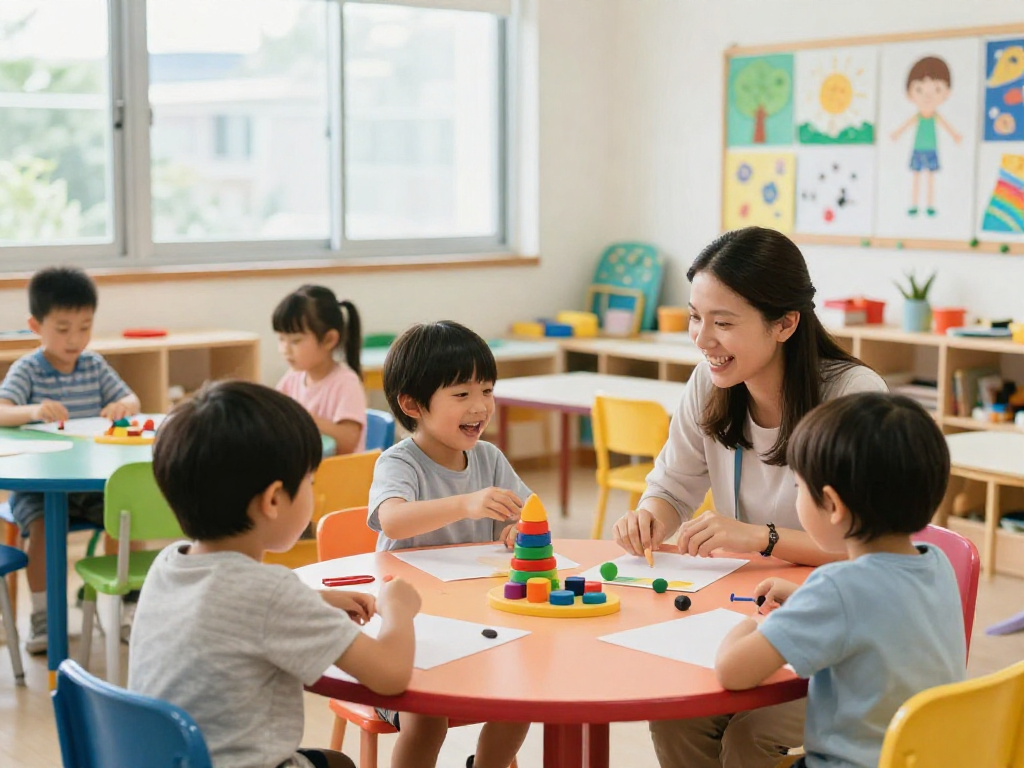
Understanding the Importance of Quality Early Education
Quality early education is fundamental for a child's developmental journey, shaping their future learning and social skills. Numerous studies underscore that the early years are pivotal in a child's cognitive, emotional, and social development. Institutions like Pegasus International Preschool provide an enriching environment that fosters lifelong learning through a holistic curriculum. When exploring options, Japanese kindergarten Singapore offers comprehensive insights into various educational philosophies and approaches, ensuring that parents make informed decisions for their children.
What is a Japanese Kindergarten Singapore?
A Japanese kindergarten in Singapore reflects a unique blend of cultural elements and educational philosophies that prioritize holistic development. These institutions emphasize the importance of social interaction, creativity, and emotional intelligence, while also incorporating language and cultural teachings that resonate with Japanese traditions. This multicultural approach not only enriches children's educational experiences but also prepares them for a globalized world.
The Role of Holistic Development in Early Childhood Education
Holistic development refers to addressing the complete spectrum of a child's growth, including cognitive, emotional, social, and physical domains. In early childhood education, it is essential to cultivate not merely academic skills but also life skills. A curriculum designed for holistic development fosters self-awareness, empathy, and resilience, which are critical traits for long-term success.
Benefits of Inquiry-Based Learning Approaches
Inquiry-based learning encourages children to explore, ask questions, and seek answers through hands-on experiences. This approach shifts the focus from rote memorization to critical thinking and problem-solving. By facilitating an environment where children can express their curiosity, educators help cultivate a love for learning that lasts a lifetime. Inquiry-based learning also allows children to connect knowledge with real-world experiences, bridging the gap between theory and practice.
Evaluating Preschool Options: Key Factors to Consider
Choosing the right preschool for your child is an important decision. Several factors play a pivotal role in evaluating options to ensure that the chosen environment aligns with your child's developmental needs and your family's values. Here are some key considerations:
Curriculum Structure and Educational Philosophy
It is essential to understand the curriculum structure and the educational philosophy behind it. Preschools that adopt a constructivist approach, like the Reggio Emilia method, prioritize child-led exploration, inquiry, and collaboration over traditional teaching methods. This structure nurtures critical thinking, creativity, and social skills, essential for holistic development.
Teacher Qualifications and Student-Teacher Ratios
The qualifications of teaching staff significantly impact the quality of education. Look for programs where teachers have specialized training in early childhood education. Additionally, a low student-teacher ratio ensures that educators can provide personalized attention, fostering a trusting relationship where children feel safe to express themselves.
Facility Environment and Learning Resources
The environment in which children learn is crucial. Classrooms should be spacious, well-lit, and equipped with diverse learning materials that cater to different learning styles. Outdoor play areas and activity centers enhance physical development and encourage exploration, complementing indoor learning with real-world experiences.
Common Misconceptions about Japanese Kindergarten in Singapore
Despite the growing popularity of Japanese kindergartens, several misconceptions exist that may influence parental choices. Understanding these misconceptions can help parents make informed decisions about their child's education.
Rote Learning vs. Inquiry-Based Learning: The Myths
Many parents mistakenly equate Japanese kindergartens with rote learning, believing that education is solely about memorization and repetition. In reality, reputable Japanese kindergartens emphasize inquiry-based learning, similar to leading international preschools. This method prioritizes children's questions and interests, allowing them to engage deeply with the material.
The Reality of Cultural Integration in Classrooms
Another common myth is that Japanese kindergartens do not accommodate diverse cultural backgrounds. In truth, many institutions celebrate diversity, integrating multicultural elements into their curriculum. This approach not only helps children appreciate cultural differences but also prepares them for a globalized environment.
Understanding Parental Involvement in Child Development
Some parents may feel that once their child is enrolled in kindergarten, their participation is no longer required. However, parental involvement remains essential. Engaging with teachers and participating in school activities fosters a supportive educational environment, reinforcing the lessons learned at school and enabling parents to stay informed about their child's progress.
Future Trends in Early Childhood Education for 2026
The landscape of early childhood education is constantly evolving. As we look towards 2026, several trends are emerging that will shape how preschools operate and educate.
Adapting to Diverse Learning Needs of Children
As classrooms become increasingly diverse, educators are adapting their teaching methods to cater to various learning styles and needs. Personalized learning plans and adaptive teaching strategies will help ensure that every child receives the support they need to thrive.
Emphasis on Emotional and Social Learning
Emotional and social learning (ESL) is gaining recognition as an integral aspect of early education. Schools will increasingly incorporate programs that teach children how to understand and manage their emotions, interact positively with peers, and navigate social environments, preparing them for both academic and personal success.
Use of Technology in Modern Classrooms
Technology will continue to play a significant role in early childhood education. Interactive learning tools and educational apps will enhance the learning experience, making it more engaging and accessible. However, balancing screen time with traditional play and face-to-face interaction will remain crucial for maintaining healthy development.
Frequently Asked Questions about Japanese Kindergartens in Singapore
Parents often have questions when considering a Japanese kindergarten for their child. Here are some frequently asked questions that can help guide their decisions.
What age is appropriate for starting kindergarten?
Most children begin kindergarten between the ages of 4 and 6, although some programs accept children as young as 18 months. It's essential to consider each child's emotional, social, and cognitive readiness when determining the right age for enrollment.
How can I assess if a kindergarten is right for my child?
Assessing whether a kindergarten is suitable involves visiting the school, observing classes, and speaking with teachers and staff. Look for environments that promote inquiry-based learning, creativity, and emotional growth, ensuring they align with your educational philosophy.
What should I look for in a preschool environment?
In a preschool environment, essential factors include safety, cleanliness, availability of resources, and conducive learning spaces. It should support exploration, creativity, and interaction with both educators and peers.
Are Japanese kindergartens suitable for international families?
Yes, many Japanese kindergartens in Singapore are designed to welcome international families, incorporating diverse cultural perspectives and multilingual learning experiences that cater to a global classroom environment.
How does a child's bilingual education benefit their development?
Bilingual education enhances cognitive flexibility, critical thinking, and problem-solving skills. Children exposed to multiple languages often demonstrate greater social skills and adaptability, providing them with a competitive advantage in their future academic and professional pursuits.