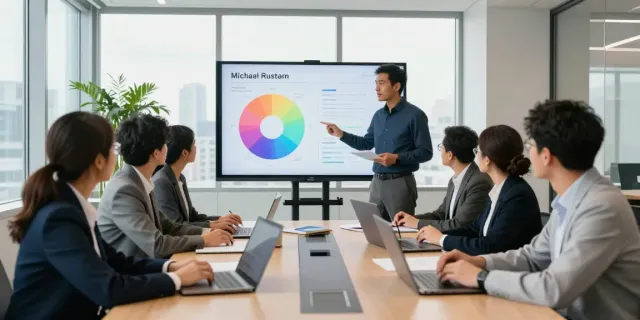
Understanding the Modern Workplace Environment
The modern workplace is undergoing a profound transformation, influenced by various factors including technological advancements, shifting employee expectations, and the need for greater flexibility. As businesses look to adapt, understanding the elements that contribute to a productive workspace becomes paramount. From open office designs to hybrid working models, companies must craft environments that not only accommodate their operations but also enhance employee satisfaction and performance. When exploring options, read more here for comprehensive insights into creating a conducive workplace.
What Defines a Productive Workspace?
A productive workspace is characterized by factors such as layout, access to technology, and the overall atmosphere. It’s essential to create an environment that promotes focus, collaboration, and employee comfort. Elements such as ergonomic furniture, adequate lighting, and designated quiet zones can significantly impact how employees engage with their tasks. Furthermore, integrating biophilic design—bringing nature into the workspace—has shown to enhance creativity and reduce stress levels.
Impact of Environment on Employee Performance
The physical environment plays a crucial role in influencing employee performance. Studies have demonstrated that workspaces designed with the employee in mind lead to higher productivity levels. For example, natural light has been linked to increased mood and energy, while noise levels can impact concentration. Organizations are increasingly leveraging this understanding to create environments that align with their operational goals.
Common Challenges in Office Layouts
Despite the emphasis on designing optimal workspaces, many organizations still face challenges related to their office layouts. Common issues include overcrowding, lack of privacy, and ineffective use of space. These challenges can lead to decreased employee morale and productivity. By conducting regular assessments and seeking employee feedback, companies can identify problem areas and implement solutions that effectively enhance the workspace.
Effective Strategies for Enhancing Collaboration
Collaboration is essential for fostering innovation and driving company success. To enhance collaboration, organizations must look at both physical and technological solutions. Innovation can stem from spontaneous interactions, which can be facilitated through open spaces and communal areas. However, with remote work on the rise, companies must also employ strategies that engage virtual teams.
Utilizing Technology for Team Engagement
In an increasingly digital world, technology is a vital tool for team engagement. Utilizing platforms like Slack or Microsoft Teams can bridge communication gaps and foster collaboration. These tools allow teams to share ideas in real-time, regardless of their physical location. Furthermore, video conferencing tools enable face-to-face interactions, creating a sense of presence and cohesion among team members.
In-Person vs. Virtual Collaboration Techniques
In-person collaboration encourages spontaneous dialogue and idea sharing, while virtual collaboration requires more intentional planning and structure. Both techniques have their advantages; therefore, organizations must strike a balance. Teams may benefit from a hybrid approach, allowing for in-person brainstorming sessions complemented by digital follow-ups and discussions.
Measuring Collaboration Success
Measuring the success of collaboration efforts can be tricky. Key performance indicators (KPIs) such as project completion times, employee satisfaction surveys, and feedback on team dynamics provide valuable insights. Regularly evaluating these metrics helps organizations understand the efficacy of their collaboration strategies and make necessary adjustments.
Innovative Tools for Office Productivity
As we move towards 2026, the landscape of office productivity tools is rapidly evolving. Organizations must stay informed about the latest applications and technologies that can streamline workflows and enhance productivity. From project management software to advanced data analytics tools, the right resources can significantly improve operational efficiency.
Top Applications for Team Management
Several applications stand out in the realm of team management. Tools like Asana, Trello, and Monday.com facilitate task assignments, project tracking, and team communication. These solutions help teams stay organized and maintain accountability. As remote work becomes more prevalent, investing in intuitive project management tools is crucial for maintaining productivity.
Benefits of Task Automation
Automating routine tasks can free up valuable time for employees, allowing them to focus on higher-priority responsibilities. Automation tools like Zapier and Automate.io integrate various applications, eliminating repetitive manual tasks. This not only boosts productivity but also reduces the risk of errors, creating a more efficient workflow.
Future Tools: What to Expect in 2026
Looking ahead, workplaces will likely see the rise of AI-driven tools that provide predictive analytics to optimize operations and workflows. Such advancements can help organizations make data-informed decisions, forecast trends, and enhance employee engagement through personalized experiences. Staying abreast of these developments will be essential for maintaining a competitive edge.
Addressing Employee Wellbeing in the Workplace
Prioritizing employee wellbeing is crucial for any organization's success. A healthy workforce is not only happier but also more productive. Companies should adopt strategies to foster mental wellness, support work-life balance, and engage employees in meaningful ways.
Strategies for Promoting Mental Health
Implementing mental health initiatives such as workshops, counseling services, and relaxation zones can significantly enhance employee wellbeing. Organizations should create a culture that encourages open discussions about mental health, reducing stigma and promoting resilience. Regular mindfulness sessions and wellness programs can also be beneficial.
Creating a Balanced Work-Life Environment
Work-life balance is essential in today’s fast-paced environment. Offering flexible working hours and remote work options allows employees to manage their personal and professional responsibilities effectively. An environment that respects boundaries contributes to higher job satisfaction and lower turnover rates.
Trends in Employee Engagement Programs
As we move toward 2026, innovative employee engagement programs are likely to focus on personalization and inclusivity. Programs that celebrate diversity, encourage skill development, and provide career advancement opportunities will be more appealing. By aligning engagement initiatives with employee values, organizations can foster a more committed workforce.
The Future of Work: What Changes to Anticipate?
The future of work is being shaped by technological advancements, evolving employee expectations, and global events. Organizations must be proactive in adapting to these changes to remain competitive and attractive to talent.
Emerging Work Trends for 2026
As hybrid work models become the norm, organizations will need to embrace agility and flexibility in their operations. Remote-first strategies may dominate, allowing companies to tap into a global talent pool. Moreover, the gig economy is expected to grow, with professionals seeking project-based and flexible work arrangements.
How Remote Work will Shape Business Models
Remote work is not just a trend; it is reshaping business models. Traditional office setups may become less common, with more companies opting for co-working spaces or entirely virtual operations. This shift necessitates a strong emphasis on digital communication tools and team cohesion strategies to maintain productivity and engagement.
Adapting to New Workplace Technologies
Adapting to new technologies will be critical for organizations aiming to thrive in the future workplace. Continuous training and development programs will ensure employees are equipped with the skills needed to utilize advanced tools effectively. Organizations must also promote a culture of innovation, encouraging employees to explore and implement new technologies.
What are the Key Skills for Future Professionals?
Future professionals will need a blend of technical and soft skills to navigate the changing workplace landscape. Skills such as adaptability, emotional intelligence, and digital literacy will be paramount. Organizations should prioritize training in these areas to foster a workforce prepared for the demands of the future.