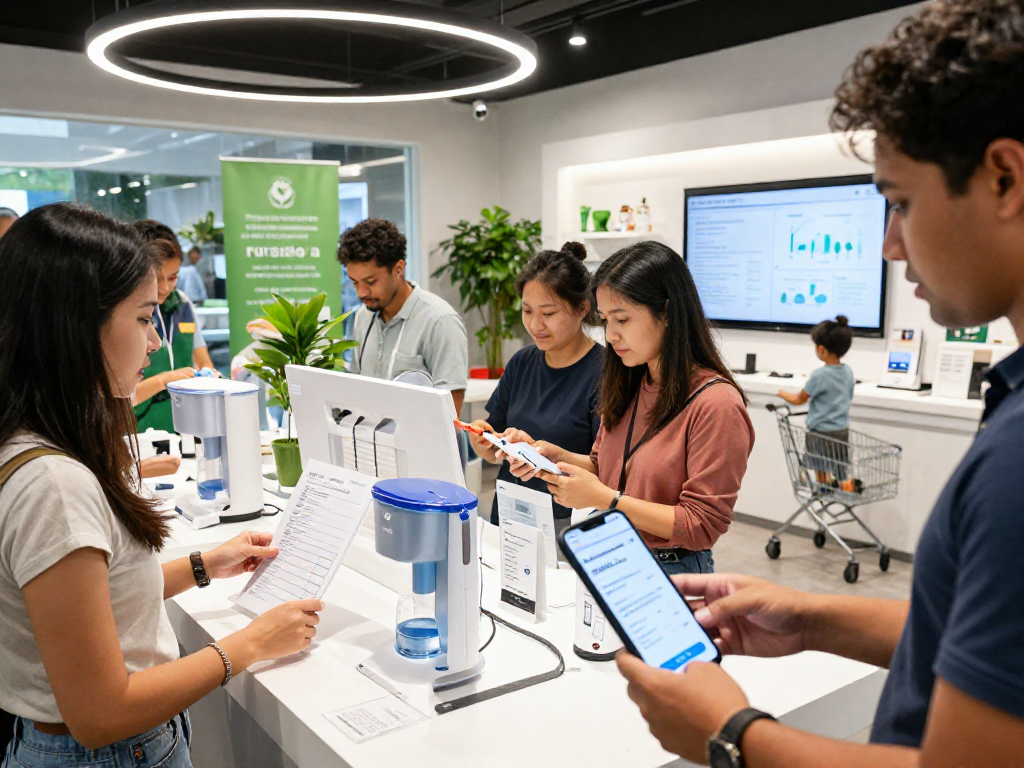
The Evolution of Sustainable Products in Retail
In recent years, the retail landscape has undergone significant transformations, especially in the realm of sustainability. As consumers become increasingly conscious of environmental issues, businesses are evolving to meet these demands. Companies are not only integrating sustainable products into their offerings but are also reshaping their entire operational models to prioritize eco-friendliness. This evolution is essential as the effects of consumer behavior ripple through supply chains and communities, prompting innovative practices in sourcing, packaging, and branding.
Among those leading the charge is Shopsmart, a platform dedicated to providing consumers with sustainable options across various product categories. By focusing on environmental stewardship, retailers like Shopsmart are setting new standards in the industry, allowing consumers to make more informed choices.
Understanding Eco-Friendly Materials
Eco-friendly materials play a crucial role in the sustainability movement within retail. These materials are sourced and produced with minimal environmental impact, ensuring that they are both effective and safe for use. Examples include organic cotton, recycled plastics, and sustainable wood. Retailers are beginning to emphasize transparency in their supply chains, enabling consumers to understand the materials that go into the products they purchase.
For instance, the use of recycled materials helps to reduce waste and conserve natural resources. Retailers that utilize such materials can illustrate their commitment to sustainability, appealing to a growing demographic interested in reducing their environmental footprint.
The Growth of Sustainable Practices Among Retailers
The rise of sustainable practices among retailers is not just a trend; it is a response to the urgent call for environmental accountability. Companies are adopting practices such as reducing carbon footprints, minimizing waste through better inventory management, and sourcing goods locally to lower transportation emissions. This transition is not only beneficial for the planet but can also lead to long-term cost savings and greater consumer loyalty.
Retailers are also using technology to enhance their sustainability efforts. Increasingly sophisticated inventory management systems help businesses track their waste and resource use, allowing them to optimize operations while minimizing negative environmental impacts.
Consumer Demand for Greener Options
Today's consumers are more informed and demanding than ever. With the internet at their disposal, they can research products and their impacts on the environment quickly. This growing awareness translates into consumer preferences leaning heavily toward businesses that prioritize sustainability. As consumers make purchasing decisions, they often favor those brands that showcase their commitment to eco-friendly practices.
Brands that align with consumer values by demonstrating sustainability can foster customer loyalty, encouraging repeat business and positive word-of-mouth. Consequently, the demand for green products has prompted many retailers to expand their eco-friendly offerings, addressing this crucial consumer preference.
Benefits of Shopping Smart
Shopping smart is more than just finding the lowest prices. It encompasses making informed choices about where and how products are sourced, which is becoming increasingly important in today’s retail environment. Beyond saving money, consumers are discovering the many advantages of selecting sustainable options.
Cost Savings with Wholesale Pricing
One of the most appealing aspects of shopping smart is the potential for significant cost savings. Wholesale pricing allows consumers to purchase high-quality products at a reduced price compared to retail. This pricing model not only benefits individual consumers but also supports businesses in maintaining competitiveness while offering sustainable products.
In addition to lower prices, wholesale shopping can empower businesses to pass on savings to their customers. This creates a win-win situation where consumers can access products that are both budget-friendly and environmentally responsible.
Quality Assurance in Sustainable Goods
Another crucial benefit of shopping smart is quality assurance. Many retailers prioritizing sustainability also focus on providing high-quality goods. Products made from eco-friendly materials often undergo stringent testing and quality control, ensuring they meet consumer expectations. Moreover, sustainable brands are frequently transparent about their sourcing and manufacturing processes, fostering trust with their customers.
By prioritizing quality alongside sustainability, these brands can set themselves apart in a crowded market, appealing to the growing demographic of conscious consumers.
Value of Supporting Local Businesses
Supporting local businesses is an integral aspect of shopping smart. By purchasing from local suppliers, consumers help stimulate the economy while reducing transportation emissions associated with long-distance shipping. Local businesses are often more responsive to community needs and can offer products that reflect local culture and values.
Moreover, many local retailers are committed to sustainability, providing environmentally friendly products that resonate with consumers who are eager to make impactful choices. Shopping locally fosters stronger community ties and supports economic growth, creating a sustainable cycle that benefits all stakeholders.
How to Choose the Right Products
With the plethora of options available, choosing the right products can be overwhelming. However, equipping oneself with knowledge can simplify the decision-making process and ensure purchases align with personal values and environmental responsibility.
Evaluating Quality and Performance
When evaluating products, it’s essential to assess their quality and performance. Consumers should look for tangible benefits that justify their investment, such as durability, effectiveness, and ease of use. High-quality products typically perform better, providing long-term value that can offset initial costs.
Additionally, reviews and brand reputation can offer insights into a product’s reliability. Researching user experiences and ratings can help consumers make informed choices and select products that meet their needs without sacrificing sustainability.
Identifying Authentic Sustainability Claims
In an age of greenwashing, discerning authentic sustainability claims from misleading ones is crucial. Consumers should familiarize themselves with certifications and labels that indicate environmental responsibility. For instance, certifications like Fair Trade, USDA Organic, and the Global Organic Textile Standard (GOTS) provide assurance that products meet rigorous standards for sustainability.
Moreover, researching companies' practices can reveal their commitment to sustainability. Brands that openly share their practices, challenges, and progress towards sustainability are often more credible than those that make vague claims.
Making Informed Purchasing Decisions
Informed purchasing decisions hinge on thorough research and understanding of products. Consumers should consider factors such as the environmental impact of products, the transparency of sourcing and manufacturing processes, and the overall benefits to both themselves and the environment. Using comparison tools and online reviews can aid in assessing options effectively.
Moreover, making a shopping list that prioritizes sustainable options can guide consumers in their purchasing decisions, helping them to avoid impulse buys that may not align with their values.
Maximizing Your Shopping Experience
To fully realize the benefits of shopping smart, consumers should leverage modern technology and resources effectively. The online shopping experience has transformed retail, providing a convenient way to explore sustainable products and compare options.
Utilizing Online Platforms Effectively
Online platforms offer expansive choices and comprehensive information about products. Consumers can use filters and search functions to refine their searches, making it easier to find sustainable options that meet their needs. Moreover, customer reviews and ratings provide valuable insights that can influence purchasing decisions.
Additionally, many online retailers offer educational content that guides consumers through the sustainable shopping process, enhancing their experience and understanding.
Understanding Product Categories and Offers
Understanding the different product categories available is crucial for maximizing shopping efforts. From cleaning supplies and personal care products to home goods and clothing, each category has sustainable options that cater to various consumer needs. Familiarizing oneself with these categories allows consumers to identify alternatives that align with sustainability goals.
Furthermore, taking advantage of promotional offers and discounts can help consumers manage their budgets while still prioritizing eco-friendly purchases. Many retailers provide incentives for buying eco-friendly products, making sustainable shopping more accessible.
Leveraging Customer Reviews and Recommendations
Customer reviews and recommendations are invaluable tools in the shopping process. They provide real-world insights into product performance, quality, and overall satisfaction. Engaging with online communities and forums that focus on sustainable shopping can also lead to discovering new brands and products that consumers may not have considered otherwise.
Additionally, seeking feedback from peers can yield recommendations and cautionary tales that can inform purchasing decisions. Word-of-mouth feedback can guide consumers toward more sustainable choices.
Future Trends in Retail and Sustainability
As the retail landscape continues to evolve, several trends are emerging that will shape the future of sustainability practices. Understanding these trends can help consumers and businesses prepare for the changes that lie ahead.
Innovations to Watch in Retail Technology
The integration of technology in retail is paving the way for more innovative and sustainable practices. Automation, artificial intelligence, and data analytics are enabling businesses to optimize operations and reduce waste effectively. For example, predictive analytics can help retailers forecast demand more accurately, minimizing overproduction and enhancing inventory management.
Moreover, E-commerce platforms increasingly utilize augmented reality (AR) to enhance the shopping experience, allowing consumers to visualize products in their own spaces before making a purchase. These innovations streamline the retail process while promoting sustainability.
Predicted Consumer Behavior Shifts
Consumer behavior is shifting dramatically as individuals become more conscious of their environmental footprint. As awareness of climate change and its impacts grows, consumers will increasingly seek brands that align with their values. This trend will compel retailers to adopt more transparent practices and invest in sustainable products.
Moreover, the demand for personalized shopping experiences will soar, leading to more tailored recommendations based on individual preferences and needs. This shift towards personalization will also extend to sustainability, with retailers offering sustainable options that resonate with their customers’ values.
Long-Term Impacts of Sustainable Shopping
The long-term impacts of sustainable shopping are significant. As more consumers choose eco-friendly products, businesses that prioritize sustainability will thrive while those that do not adapt may struggle to survive. This evolution will promote competition among retailers, driving innovation and reducing prices for sustainable goods.
Additionally, the global focus on sustainability will lead to policy changes, encouraging broader sustainability initiatives across industries. These changes could result in stricter regulations around waste, emissions, and product sourcing, fostering a healthier environment for future generations.
What Makes Shopsmart Stand Out in 2026?
In 2026, Shopsmart is expected to stand out due to its commitment to sustainability and innovative retail practices. By leveraging technology, Shopsmart aims to create a more personalized shopping experience that caters to individual consumer needs while promoting eco-friendly products. Their emphasis on transparency and community involvement will resonate with a generation increasingly concerned about environmental impact.
As the demand for sustainable products continues to rise, Shopsmart’s focus on quality, affordability, and social responsibility will position it as a leader in the retail marketplace, setting a benchmark for other retailers to follow and helping shape a more sustainable future.