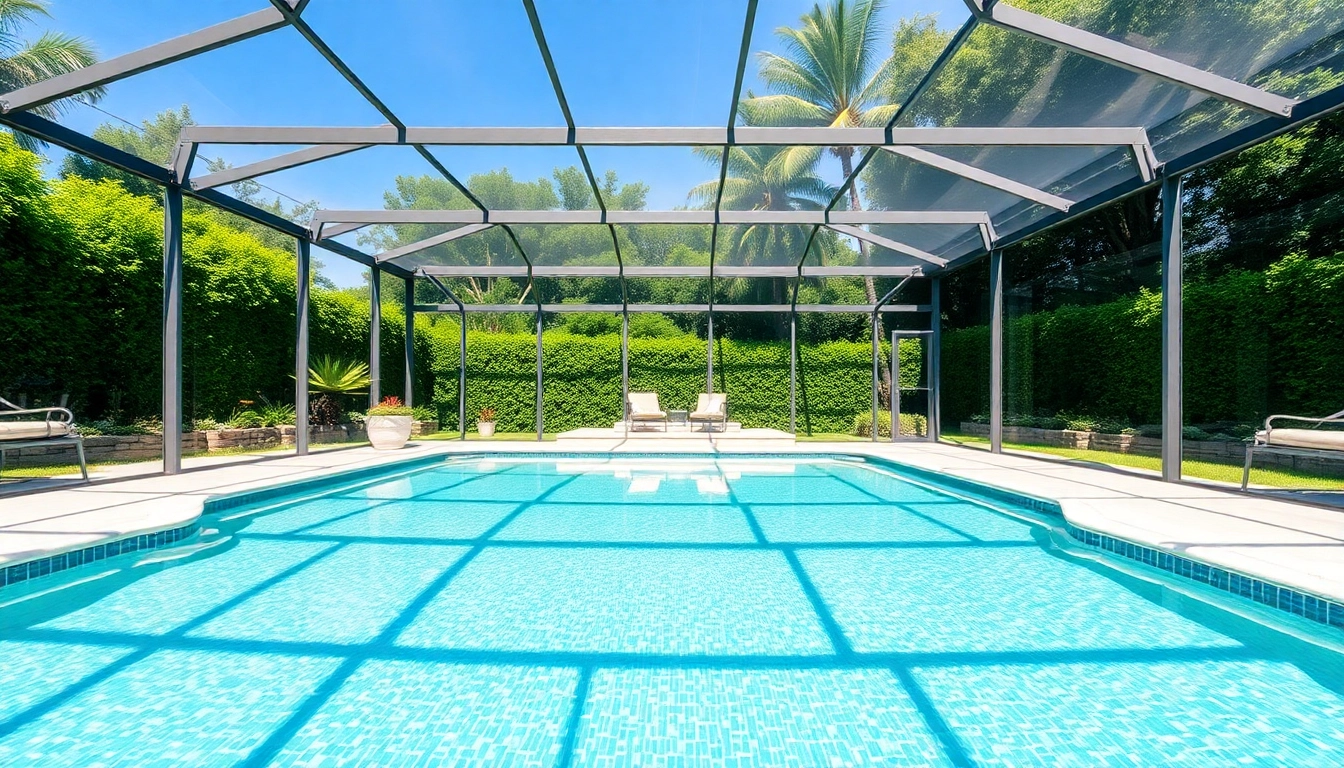
Owning a pool can be a source of unparalleled enjoyment, relaxation, and leisure. However, many pool owners face challenges that can lessen their enjoyment. This is where a Pool Enclosure becomes a valuable asset, offering a blend of functionality and aesthetic enhancement to your outdoor space. This comprehensive exploration of pool enclosures will delve into their numerous advantages, types available, installation processes, maintenance strategies, cost factors, and much more, equipping you with the knowledge to make an informed decision for your home.
Understanding the Benefits of Pool Enclosure
Why Choose a Pool Enclosure?
A pool enclosure is not merely an extravagant addition to your outdoor space, but a transformative investment that encompasses several benefits. It not only provides physical protection for your pool but also extends the life of your swimming experience throughout the year. Here are the primary benefits:
- Increased Protection: Enclosures safeguard your pool against environmental contaminants such as leaves, dirt, and debris, ensuring cleaner water and a more manageable upkeep.
- Improved Safety: They serve as a barrier, minimizing access for children and pets, which significantly reduces accidental drownings.
- Temperature Regulation: By trapping heat, an enclosure helps maintain a warmer water temperature, enabling extended swimming seasons.
- UV Protection: They protect swimmers from harmful UV rays while allowing sunlight to enhance the atmosphere.
Extended Swimming Season
One of the standout advantages of a pool enclosure is the ability to extend your swimming season. With varying climates, many pool owners find it difficult to fully enjoy their pools year-round. A well-designed enclosure traps warmth and mitigates weather effects, allowing you to swim comfortably even during colder months. Some high-end enclosures utilize glass or polycarbonate materials for insulation, further enhancing temperature retention, ensuring that your pool remains a source of joy throughout various weather conditions.
Enhanced Safety Features
Safety is paramount for homeowners with pools, especially those with children or pets. A pool enclosure adds an essential layer of protection. Many enclosures come equipped with lockable doors and sturdy latches, further enhancing child safety measures. In addition, depending on the design, they can deter uninvited guests and wildlife from entering the pool area, giving you peace of mind when your pool is not in use.
Types of Pool Enclosure Available
Retractable Pool Enclosure Options
Retractable pool enclosures offer versatility and convenience, allowing homeowners to open and close their enclosure according to their preferences and weather conditions. These enclosures can blend outdoor living with the simplicity of indoor comfort. They come in various styles—some designed to retract entirely, while others allow partial opening, making them an ideal choice for those wanting flexibility in their pool use.
Permanent vs. Temporary Enclosures
Permanently fixed enclosures are often constructed using durable materials like glass or aluminum and provide a sturdy structure that can withstand harsh weather conditions. These are more of a long-term investment and can increase property value. On the other hand, temporary enclosures, often inflatable or modular, are less costly and can easily be set up and taken down as needed, making them suitable for seasonal use or for homeowners who do not want a permanent structure in their backyard.
Inflatable Pool Enclosures
If you are searching for budget-friendly options, inflatable pool enclosures might be the perfect solution. These are easy to install and dismantle and can provide a cozy environment for swimming during cooler months. They are particularly suitable for homeowners who prefer a light and simple option that can be packed away conveniently after the swimming season concludes.
Installation Process for Pool Enclosure
Planning and Design Considerations
Before embarking on your pool enclosure installation, thorough planning is essential. Begin by assessing local regulations and zoning laws related to pool installations, including minimum height and setbacks. Next, consider your personal aesthetic preferences and how the enclosure will complement your garden space. Draw on inspiration from existing structures, and think about the desired functionality: is this space for leisure alone, or do you envision hosting gatherings?
DIY Installation Steps
For the adventurous homeowner, DIY installation can be rewarding and cost-effective. Begin by acquiring a pool enclosure kit that comes with clear assembly instructions. Follow these key steps to ensure a successful installation:
- Preparation: Clear the installation area, ensuring a level surface for your enclosure.
- Assembly: Follow the manufacturer's guide step by step, bolting or screwing components together tightly.
- Sealing: Ensure that seams and joints are well-sealed, particularly if you live in an area with inclement weather.
- Final Touches: Make sure the enclosure is secure, adjust moving parts if needed, and clean any protective residues.
Hiring Professionals for Installation
While DIY installation can save money, enlisting professionals offers expertise and efficiency. Professionals can ensure that your enclosure meets local regulations and use high-quality installation techniques. Research reputable contractors in your area, check their certifications, and collect multiple quotes to find a service that aligns with your budget and requirements. A professional installation also typically comes with a warranty, offering peace of mind for your investment.
Maintenance Tips for Your Pool Enclosure
Regular Cleaning Techniques
To keep your pool enclosure looking its best and maintaining its functionality, regular cleaning is necessary. Use a gentle soap solution and a soft cloth or sponge to clean surfaces—avoid abrasive materials that may scratch the enclosure's finish. For screens or mesh, a soft-bristle brush can help dislodge dirt without damaging the material.
Seasonal Maintenance Checklist
Performing seasonal maintenance assures the longevity of your enclosure. Here’s a quick checklist:
- Inspect for any structural wear or damage.
- Clean the enclosure extensively post-winter or before the swimming season.
- Check seals and locks for proper functionality.
- Examine screen mesh for tears or holes and repair as necessary.
Common Issues and Solutions
Even with regular maintenance, issues may arise. For example, if your enclosure becomes foggy, consider using a commercial cleaning solution suited to the materials used. For rust on metal frames, gently scrub with a mild abrasive and repaint to protect against future corrosion. If screens are torn, consider replacing the mesh to ensure prompt fixes that maintain functionality.
Cost Factors of Pool Enclosure
What Influences Pricing?
The cost of a pool enclosure varies based on multiple factors, including size, material choice, and design complexity. Installation costs can range from $4,000 to $14,000 or more, depending on whether you opt for a simple screen design or a sophisticated glass structure. Geographic location and labor costs in your area can also significantly affect overall pricing.
Long-term Savings Considerations
Investing in a pool enclosure not only enhances enjoyment but can also yield long-term savings. By reducing maintenance costs (fewer chemicals, less cleaning), keeping heat in, and prolonging the swimming season, you’re likely to see a return on your investment over time. It’s vital to consider the reduction in water evaporation and chemical use, which also benefits the environment.
Investing in Quality Materials
While it can be tempting to opt for the cheapest materials available, investing in high-quality materials can save money in the long run. Durable materials withstand the elements better and maintain structural integrity. Additionally, less frequent replacements of parts can alleviate maintenance headaches and expenses. Brands may offer warranties on higher-quality enclosures, adding additional financial reassurance.
FAQs about Pool Enclosures
What is the cheapest way to enclose a pool?
The most budget-friendly option is an inflatable swimming pool enclosure. These are easy to install and can be deflated for storage, providing a simple solution for seasonal needs.
How often should I clean my pool enclosure?
It is advisable to clean your pool enclosure at least once a month to prevent dirt accumulation. Seasonal thorough cleaning is also recommended before the swimming season.
Are pool enclosures worth the investment?
Yes, a pool enclosure is a smart investment as it extends the swimming season, increases safety, reduces maintenance costs, and can add value to your property.
What materials are best for pool enclosures?
High-quality aluminum and polycarbonate materials are ideal for pool enclosures, offering durability, low maintenance, and good insulation properties.
Can I install a pool enclosure myself?
Yes, many pool enclosures come in kits for DIY installation. However, complex designs may best be left to professionals for safety and regulatory compliance.