
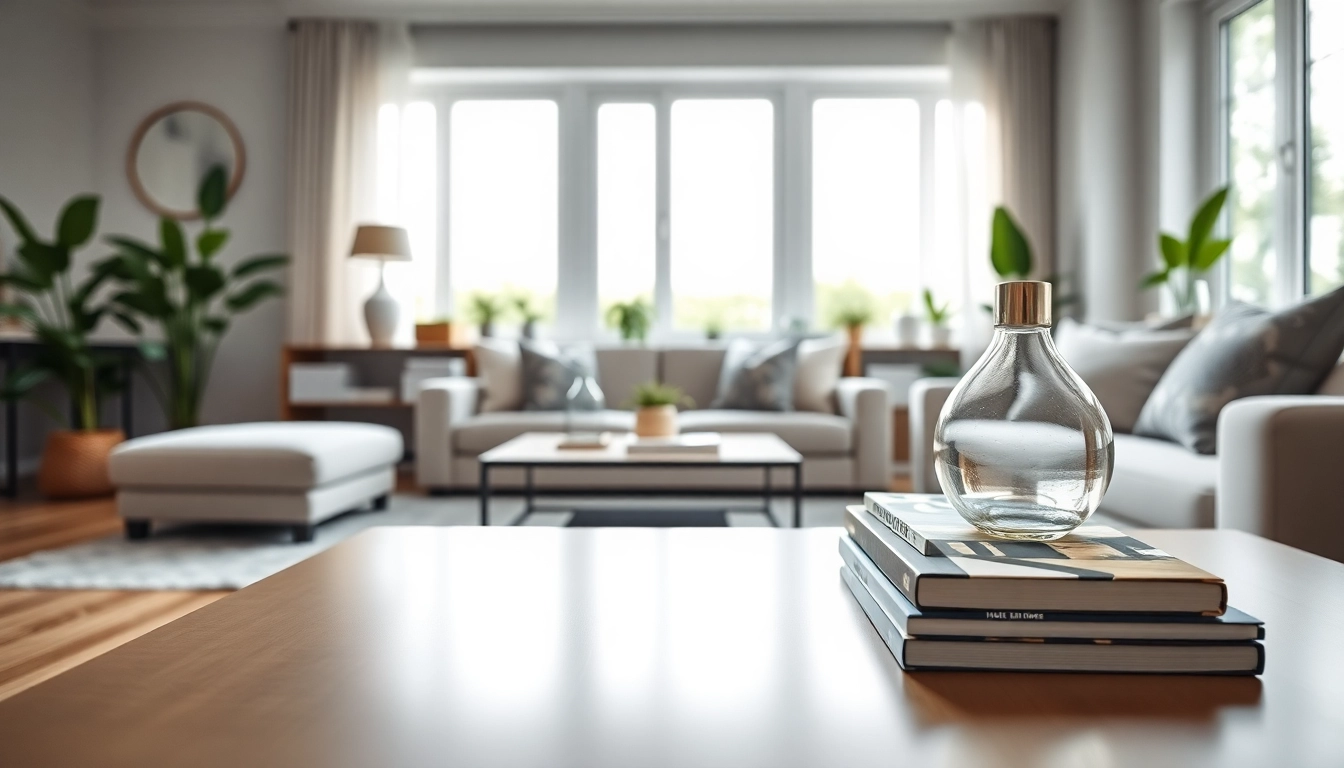
Understanding Home Improvement Essentials
Home improvement plays a vital role in enhancing both the functionality and aesthetic appeal of a living space. Whether it’s a small upgrade, such as repainting a room, or a significant renovation like adding a new floor, home improvement projects can significantly enhance the value and comfort of a home. Engaging in thoughtful Home improvement can lead to a more enjoyable living environment and an increase in property value.
The Importance of Home Improvement
Investing in home improvement is crucial for several reasons. Firstly, it boosts property value; homes that are well-maintained or upgraded are likely to fetch higher prices in the market. Secondly, it increases comfort by allowing homeowners to tailor their spaces to suit their lifestyle and preferences. Lastly, efficient home improvements can lead to better energy efficiency, reducing utility costs over time and benefiting the environment.
Identifying Areas for Home Improvement
Before embarking on any home improvement projects, it's essential to identify which areas of your home need attention. This can range from cosmetic updates like painting and landscaping to more structural projects such as reinforcing the foundation or replacing roofing. Insider tips include walking through your home with a pen and paper, noting any repairs needed, and categorizing improvements based on immediate needs versus aesthetic desires.
Setting a Home Improvement Budget
Setting a realistic budget is fundamental to any home improvement project. Begin by assessing the scope of work; whether it involves simple renovations or more complex upgrades, it's vital to account for all expenses, including materials, labor, permits, and unexpected costs. Cost-saving measures could include tackling DIY projects where feasible or prioritizing improvements based on impact and necessity.
Creative Ideas for Home Improvement Projects
Interior Design Trends
Staying updated with interior design trends can help homeowners make informed decisions that suit their style while also maximizing home value. Trends such as open-concept living, sustainable materials, and smart home technology are dominating the market. Homeowners are increasingly opting for biophilic designs that integrate natural elements indoors, creating a serene environment.
Outdoor Enhancements
Outdoor spaces are often overlooked during home improvement efforts, yet they are essential for creating a cohesive aesthetic that enhances curb appeal. Popular outdoor enhancements include building patios, installing outdoor kitchens, or simply upgrading landscaping. Adding lighting fixtures can also extend the functionality of outdoor spaces into the evening and create welcoming atmospheres.
DIY Home Improvement Projects
Many homeowners relish the opportunity to personalize their spaces through DIY projects. Simple projects such as painting walls or assembling furniture not only save costs but also provide a sense of accomplishment. Websites and tutorials have made resources readily available, allowing confident DIYers to undertake more complex projects like building shelves or refurbishing old furniture.
Choosing the Right Materials for Home Improvement
Eco-Friendly Options
Today's eco-conscious homeowners seek to use sustainable materials in their home improvement projects. Options include reclaimed wood, bamboo flooring, recycled glass tiles, and low-VOC paints. Utilizing eco-friendly materials can not only improve indoor air quality but also contribute to energy efficiency, creating a healthier living environment and leaving a smaller carbon footprint.
Quality vs. Cost in Home Improvement Materials
One of the most important decisions in home improvement is choosing between quality and cost. While budget constraints are always a consideration, investing in higher-quality materials often results in long-term savings due to better durability and lower maintenance costs. Homeowners should weigh their options and consider lifetime costs rather than just upfront expenses.
Durability and Maintenance
When selecting materials for home improvements, durability and maintenance are key factors. Opting for materials that require minimal upkeep versus those that need constant attention can save time and money. For example, fiber-cement siding is often more durable than wood, requiring less frequent painting and repairs, making it a worthwhile consideration for homeowners focused on longevity.
Hiring Professionals for Home Improvement
Finding Reliable Contractors
Finding a reliable contractor is paramount to successful home improvement projects. Homeowners should seek recommendations from friends or family, check online reviews, and interview several potential candidates before making a decision. It's essential to verify licenses and insurance, ensuring that all workers are covered in case of accidents on the job.
Cost Management When Hiring
Understanding the cost structure of hired professionals can prevent budget overruns. Discussing payment methods upfront and ensuring a clear agreement on what is included in the final price can protect against unexpected fees. Additionally, homeowners should avoid paying large upfront amounts and opt for milestone payments as the project progresses to ensure quality work.
What to Expect from Home Improvement Professionals
Homeowners should expect professionalism when hiring contractors. This includes clear communication regarding timelines, progress updates, and handling any issues that arise during the project. A good contractor will also provide a written contract outlining the project scope, cost, and timeframe, protecting the homeowner's investment in the improvement.
Measuring Success in Home Improvement
Assessing Property Value Post Improvement
Once a project is complete, assessing the impact on property value is crucial. Homeowners can conduct a comparative market analysis to see how their improvements have influenced the value relative to similar homes in the neighborhood. Online real estate tools can aid in this assessment, offering insight into whether the investment is justified.
User Experience and Satisfaction
Another measure of success is user experience. Conducting surveys or simply discussing with family members about how the improvements have affected daily lives can provide valuable insights. Ultimately, the goal is to create a living space that enhances comfort, satisfaction, and functionality.
Long-Term Benefits of Home Improvement
Long-term benefits of home improvement extend beyond mere aesthetics. Improved energy efficiency, lower maintenance costs, and enhanced property value offer substantial rewards over time. Moreover, a well-executed home improvement may lead to increased pride in ownership, encouraging homeowners to maintain their properties better in the future.
FAQs about Home Improvement
What are the most popular home improvement projects?
The most popular projects include kitchen remodels, bathroom upgrades, and outdoor landscaping. These updates tend to offer the best return on investment.
How can I budget for home improvements?
Start by assessing all necessary repairs and desired upgrades, then create a detailed list of costs. Allocate funds for unexpected expenses to adhere to your budget.
What should I prioritize in home improvement?
Focus on projects that enhance safety, energy efficiency, and areas that may affect resale value, such as kitchens and bathrooms.
Can I do home improvement projects myself?
Yes, many tasks can be done DIY, such as painting and landscaping. Assess your skills and consider more complex projects for hiring professionals.
How do I know when to hire a contractor?
Consider hiring a contractor for large or complex projects or when specialized skills are required, such as electrical or plumbing work, for safety and efficiency.