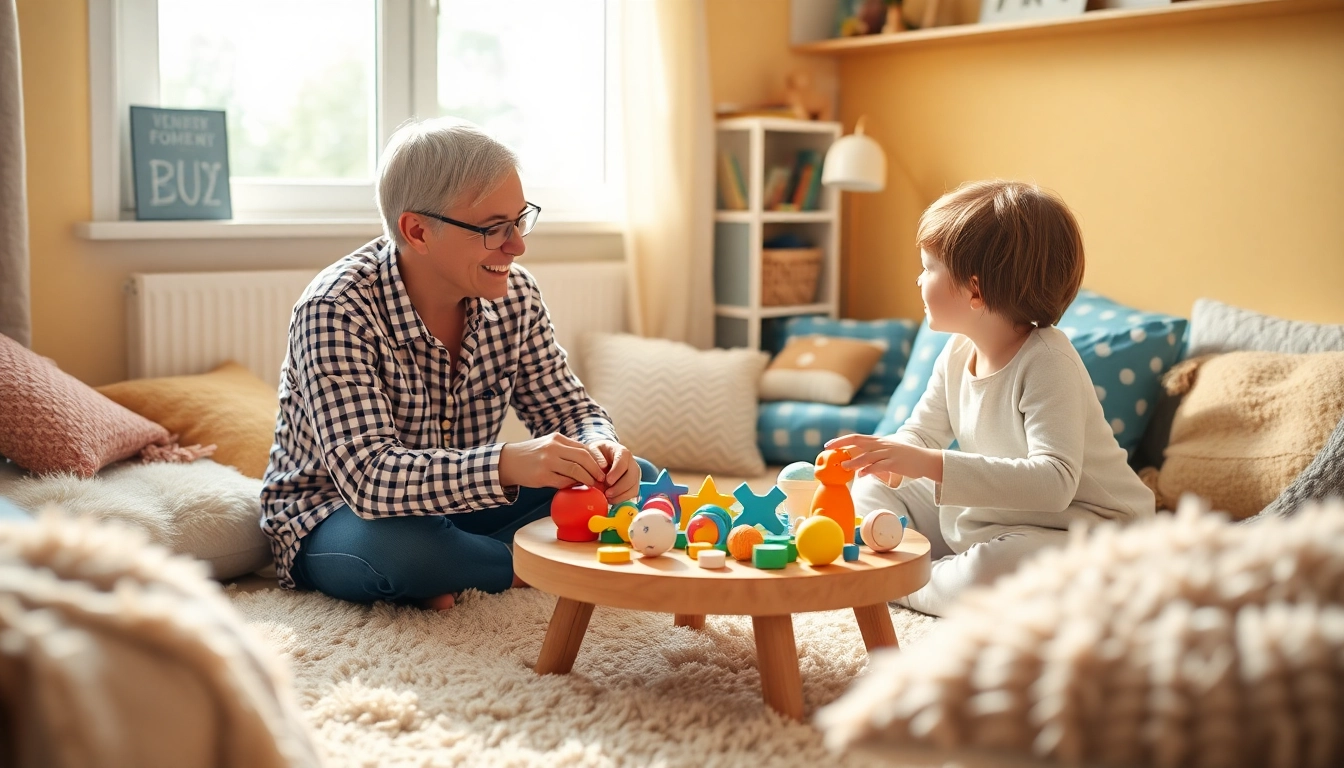
The Essentials of Play Therapy
In the world of child psychology, Play Therapy stands out as a unique intervention that utilizes the natural medium of play for therapeutic purposes. This approach is not only innovative but highly effective in addressing a multitude of psychological and emotional challenges faced by children. By creating a safe space where children can express themselves freely, therapists can gain insights into their thoughts and feelings in a manner that traditional talk therapies may not facilitate.
What is Play Therapy?
Play therapy is defined as a systematic use of a theoretical model that establishes an interpersonal process, where trained therapists use the therapeutic power of play to assist children in preventing or resolving psychosocial difficulties. It relies on the understanding that play is a child’s natural medium of expression, allowing them to communicate things that they may not be able to verbalize directly. Children engage in play to express their feelings, whether it’s through toys, games, or creative outlets, making it a valuable tool for therapists.
Key Principles of Play Therapy
The practice of play therapy is driven by several core principles:
- Child-Centered Approach: The focus remains on the child’s experience and needs, allowing them to lead the session.
- Therapeutic Relationship: Building trust between the therapist and child is crucial for a successful outcome.
- Creativity: Play therapy encourages creativity, providing an outlet for children to externalize their emotions.
- Non-Directive Play: Therapists refrain from directing the play to foster independence and self-exploration.
Indications for Using Play Therapy
Play therapy is indicated for a range of issues, including:
- Emotional distress such as anxiety and depression
- Behavioral problems, including defiance and aggression
- Trauma recovery from events such as abuse or loss
- Social difficulties or attachment issues
Its flexible approach allows for applicability across various contexts and for diverse age groups, typically targeting children aged 3 to 12.
Techniques and Approaches to Play Therapy
Popular Play Therapy Techniques
Several techniques are commonly employed in play therapy to assist children in expressing themselves.
- Art Therapy: Involves creative arts like drawing or clay modeling to help children express feelings non-verbally.
- Directive Play Therapy: The therapist leads specific activities aimed at addressing particular issues.
- Non-Directive Play Therapy: Allows the child full control of the play, facilitating open-ended expression.
- Sand Tray Therapy: Children create scenes in a sandbox, often revealing underlying emotions and conflicts.
Role of the Therapist in Play Therapy
The therapist's role in play therapy is multifaceted. They act as a facilitator, guide, and caregiver. Understanding child development stages helps therapists create appropriate interventions and ensure a supportive environment. They observe play patterns closely to interpret the underlying feelings and issues being represented. This requires a combination of empathy, flexibility, and creative engagement with the child.
Customized Approaches to Play Therapy
Every child is unique, necessitating tailored approaches in play therapy. The therapist will assess each child's needs, preferences, and emotional state to create a custom plan. This could include incorporating specific toys, themes, or art materials that resonate with the child’s interests, thus enhancing engagement and effectiveness.
Benefits and Effectiveness of Play Therapy
Emotional and Psychological Benefits
Play therapy provides a plethora of emotional and psychological benefits:
- Enhances emotional regulation by allowing children to process feelings safely.
- Boosts self-esteem by fostering a sense of mastery and achievement during play.
- Improves social skills by providing opportunities to engage with others during group play sessions.
- Facilitates healing from trauma through safe exploration and expression of distressing experiences.
Play Therapy for ADHD and Other Disorders
Play therapy has been shown to be particularly effective for children diagnosed with ADHD, as it allows for dynamic engagement that captures their attention. Studies suggest that kids participating in play therapy demonstrate improved impulse control, reduced aggression, and overall better behavior. Furthermore, it can be beneficial for children facing autism spectrum disorders, anxiety, and depression, promoting adaptive coping strategies and social interactions.
How Play Therapy Supports Child Development
By engaging in play therapy, children not only address psychological difficulties but also enhance various developmental areas, including:
- Cognitive development through problem-solving tasks during play.
- Language skills expanded through storytelling and narration in play scenarios.
- Social understanding cultivated by interaction with peers in group play.
- Physical development through activities involving movement and coordination.
Parent Involvement in Play Therapy
How Parents Can Support Play Therapy
Parental involvement is a vital aspect of play therapy that significantly contributes to its success. Parents can actively participate by:
- Communicating openly with the therapist about concerns and goals for the child.
- Encouraging play at home that complements therapy sessions.
- Being engaged in the child’s progress and celebrating achievements.
Encouraging Emotional Growth at Home
To continue benefiting from play therapy, parents can foster an emotional growth environment at home by adopting certain strategies:
- Providing diverse play materials and activities that promote creativity and expression.
- Engaging in active listening to understand the child’s feelings.
- Modeling emotional intelligence and coping strategies to facilitate learning.
Communicating with Your Child about Play Therapy
Effective communication about play therapy is essential. Parents should explain it in a manner that children can understand, emphasizing that it’s a safe space for them to share feelings and that everyone, including grown-ups, can use help sometimes. Encouraging children to talk about what they do in therapy can help normalize the experience and reinforce its importance.
Frequently Asked Questions on Play Therapy
What age group benefits most from Play Therapy?
Play therapy is most beneficial for children aged 3 to 11, but it can also be adapted for slightly older children and even adults, depending on individual needs.
Can Play Therapy be effective for adults?
While primarily designed for children, play therapy principles can be adapted for adults, especially in cases involving trauma or issues related to childhood experiences.
How long does a typical Play Therapy session last?
A typical play therapy session lasts about 30 to 50 minutes, depending on the child's age and attention span, with weekly sessions often recommended.
Are there any certifications for Play Therapy?
Yes, various certifications exist for professionals in play therapy, including those offered by the Association for Play Therapy, ensuring they meet specific educational and experiential standards.
How can I find a qualified Play Therapy professional?
To find a qualified play therapy professional, refer to the Association for Play Therapy’s directory or consult local mental health resources to verify credentials and specialties.