What is a Telehandler?
Definition and Functionality
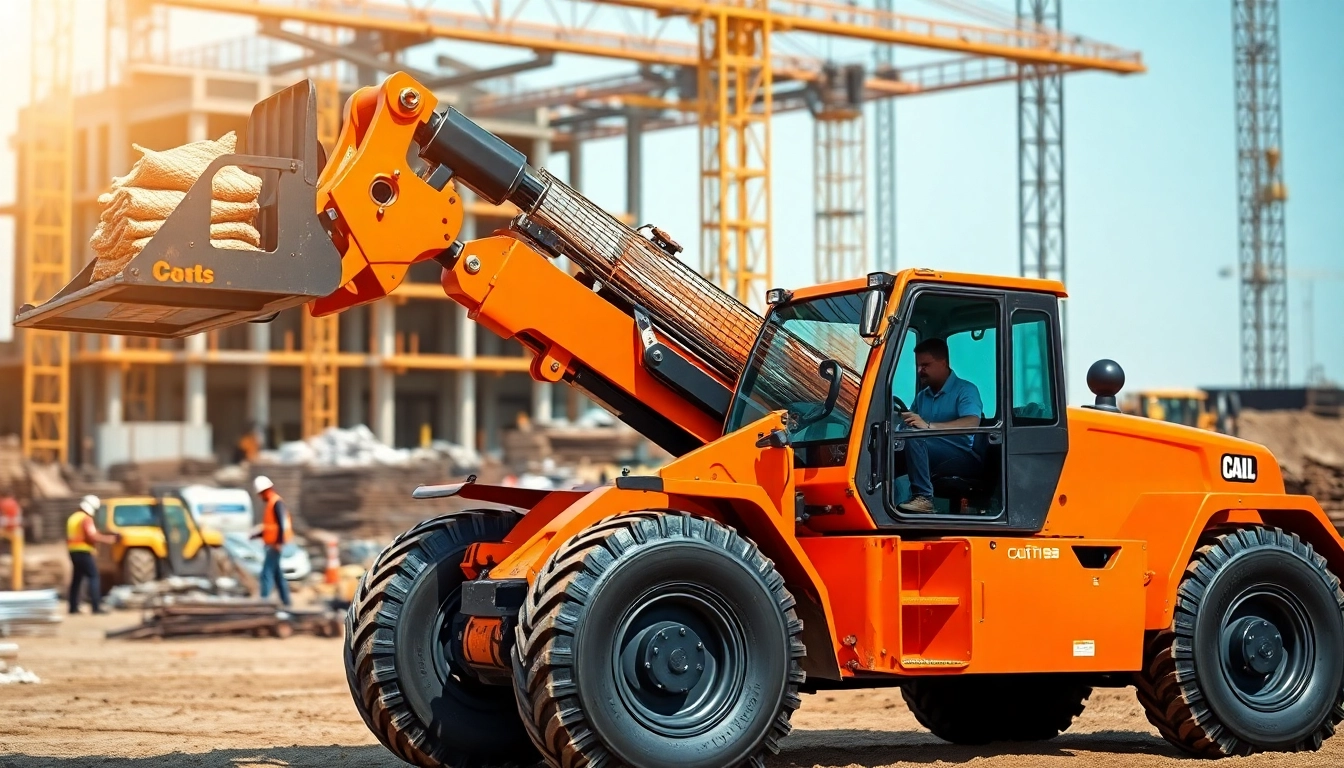
A telehandler, short for telescopic handler, is a versatile piece of construction equipment designed to lift, carry, and place heavy materials effectively at various heights. It combines the capabilities of a crane and a forklift, featuring a telescopic boom that extends to reach greater distances and heights, making it indispensable on construction sites, farms, and large warehouses.
The primary function of a telehandler is to provide logistics support by moving materials, whether they be pallets of bricks, construction equipment, or other heavy items. The added benefit of attachment options allows telehandlers to perform many functions, such as lifting, digging, or even aerial work. The link between performing these various tasks efficiently often relies on understanding the specific requirements of each project, making telehandlers an appealing option for contractors and builders alike.
Components of a Telehandler
Understanding a telehandler's components is crucial for both operators and managers overseeing construction projects. The main components include:
- Telescoping Boom: The primary feature that allows the machine to extend and retract, crucial for reaching high or distant objects.
- Cab and Controls: The operator's space is equipped with various controls, cameras, and displays providing situational awareness and functionality.
- Counterweights: Added to ensure stability when lifting heavy loads, preventing tipping.
- Chassis: The structure that provides mobility and allows for wheel or track designs depending on terrain requirements.
- Attachments: A range of tools, including forks, jibs, and buckets, that enhance operational flexibility.
Common Uses in Various Industries
Telehandlers find applications across diverse industries, including construction, agriculture, and logistics:
- Construction: Used for lifting materials to elevated areas, moving loads over rough terrain, and assisting cranes.
- Agriculture: Assists in handling bales of hay, pallets, and other farm equipment, improving productivity.
- Warehousing: Often integral in the loading and unloading process of goods at distribution centers.
- Landscaping: Helps in moving soil, rocks, and equipment during large landscaping projects.
Key Features of Telehandlers
Lift Capacity and Reach
One of the essential features of telehandlers is their impressive lift capacities, which can range from 4,000 lbs to over 12,000 lbs, depending on the model. This capability allows operators to handle heavy loads with ease, significantly improving productivity on site. Additionally, the telescopic boom's reach can typically extend to heights of around 30 to 55 feet, catering to various project needs, from construction to maintenance tasks.
Versatility with Attachments
The versatility of telehandlers is primarily derived from their ability to use a wide range of attachments. Common accessories include:
- Forks: Essential for moving pallets and heavy loads.
- Buckets: Useful for digging, lifting, and carrying loose materials like gravel or sand.
- Jibs: Extend the boom for lifting items that need extra reach.
This adaptability allows telehandlers to be multi-functional, eliminating the need for multiple machines on a job site, thus saving time and resources.
Safety Features and Guidelines
With advanced safety features, telehandlers are designed to minimize risks associated with heavy lifting. Features often include:
- A Load Management System: Helps prevent overload by monitoring capacity.
- Stabilizers: Can be deployed to provide additional support when lifting heavy loads.
- Alert Systems: Notify operators of potential tipping hazards or overloads.
Following safety guidelines, including adequate training for operators and adherence to load limits, is vital to maintain safety in the workplace.
Benefits of Using Telehandlers
Efficiency in Material Handling
Telehandlers streamline material handling processes, allowing for quicker movement and placement of materials than traditional machinery. The ability to lift to considerable heights and reach over obstacles significantly enhances workflow efficiency, making telehandlers integral on busy job sites.
Cost-Effectiveness for Construction Projects
Investing in a telehandler can lead to substantial cost savings over time. By reducing the need for multiple pieces of equipment, decreasing labor expenses through improved efficiency, and increasing the speed of project completion, telehandlers present a cost-effective solution for managing construction projects of all sizes.
Increased Safety for Workers
Telehandlers are designed with operator safety in mind. Their robust stability and operator visibility contribute to enhanced safety measures on job sites. Proper maintenance and adherence to operational guidelines minimize risks associated with heavy lifting tasks, ensuring that workers can operate equipment safely and effectively.
How to Choose the Right Telehandler
Evaluating Project Requirements
Choosing the right telehandler involves evaluating your specific project demands. Consider factors such as weight capacity, height needs, and attachment requirements to select a model that best fits your operational scenarios. Assessing these elements early can save time and resources later in the project.
Understanding Size and Reach Options
Telehandlers come in various sizes and reach capabilities. A short reach model may suffice for smaller construction sites, while a long-reach option is needed for extensive projects with significant elevation needs. Evaluating the lift height and reach will help ensure you choose a model suited for the tasks at hand.
Assessing Rental vs. Purchase Needs
When deciding between renting or purchasing a telehandler, consider the frequency of use, budget constraints, and long-term project requirements. Renting can provide flexibility and reduce upfront costs for short-term projects, while purchasing may be beneficial for companies engaged in continuous operations requiring regular access to a telehandler.
Maintenance and Best Practices for Telehandlers
Routine Maintenance Tips
To ensure longevity and optimal performance of telehandlers, regular maintenance is crucial. Implement daily inspections, including checking fluid levels, inspecting tires for wear, and ensuring all safety features are functional. Scheduled annual maintenance should also include professional servicing to address more complex systems such as hydraulics and electrical components.
Common Issues and Solutions
Common telehandler issues may include hydraulic leaks, sluggish boom movement due to low fluid levels, or electrical malfunctions. Most problems can be addressed through timely maintenance. Operators should be familiar with troubleshooting basic issues, allowing for quicker resolutions and less downtime on the job site.
Training and Certification for Operators
Proper training is essential to operate a telehandler safely. Operators should undergo comprehensive training programs covering equipment operation, safety protocols, and emergency procedures. Certification can enhance operator confidence and contribute to a safety-conscious workplace, ensuring that everyone adheres to best practices.
Frequently Asked Questions
What is the primary use of a telehandler?
A telehandler is mainly used to lift and move heavy materials on construction sites, offering versatility for various tasks.
How much can a telehandler lift?
Depending on the model, a telehandler typically lifts between 4,000 to 12,000 pounds, with varying reach heights.
What attachments can be used with a telehandler?
Common attachments include forks, buckets, and jibs, allowing telehandlers to perform tasks like lifting, digging, and even aerial work.
Are telehandlers safe to operate?
Yes, but they require proper training and adherence to safety practices to ensure safe operation and protect workers.
Where can I rent a telehandler?
Many equipment rental companies offer telehandlers for rent, providing flexible options based on your project's duration and requirements.
Contact Information
Call Us:4062607988Address: 3906 MT-40, Columbia Falls, MT 59912