Understanding Custom Stainless Steel Parts
In today's fast-paced industrial landscape, the demand for precision-engineered components is at an all-time high. Custom stainless steel parts have become essential across various sectors due to their robustness, versatility, and excellent resistance to corrosion. Whether you're designing complex machinery or manufacturing medical devices, understanding the significance of custom stainless steel parts is crucial for ensuring the reliability and efficiency of your products.
What are Custom Stainless Steel Parts?
Custom stainless steel parts refer to components made from stainless steel that are specifically designed and produced to meet unique specifications and requirements. They can include a variety of products, from simple brackets and covers to intricate assemblies used in specialized applications. The customization aspect involves tailored dimensions, finishes, and material grades, ensuring that each part serves its intended purpose effectively.
The Importance of Material Selection
The choice of material is pivotal when it comes to manufacturing custom stainless steel parts. Stainless steel is favored for its corrosion resistance, strength, and aesthetic appeal. Various grades of stainless steel—such as 304 and 316—are commonly used, each offering different properties suitable for specific applications. For instance, 316 stainless steel is known for its superior corrosion resistance in marine environments, making it ideal for components exposed to saltwater. When exploring options, custom stainless steel parts provide comprehensive insights on how material selection can impact performance.
Applications Across Various Industries
Custom stainless steel parts find applications in numerous industries, including:
- Medical: Surgical instruments and implantable devices where sterility and biocompatibility are critical.
- Food Processing: Equipment that must withstand rigorous cleaning and maintain hygiene standards.
- Chemical Engineering: Components that can resist highly corrosive substances and environments.
Each application demands specific material properties and manufacturing processes to ensure optimal performance.
Key Factors in the CNC Machining Process
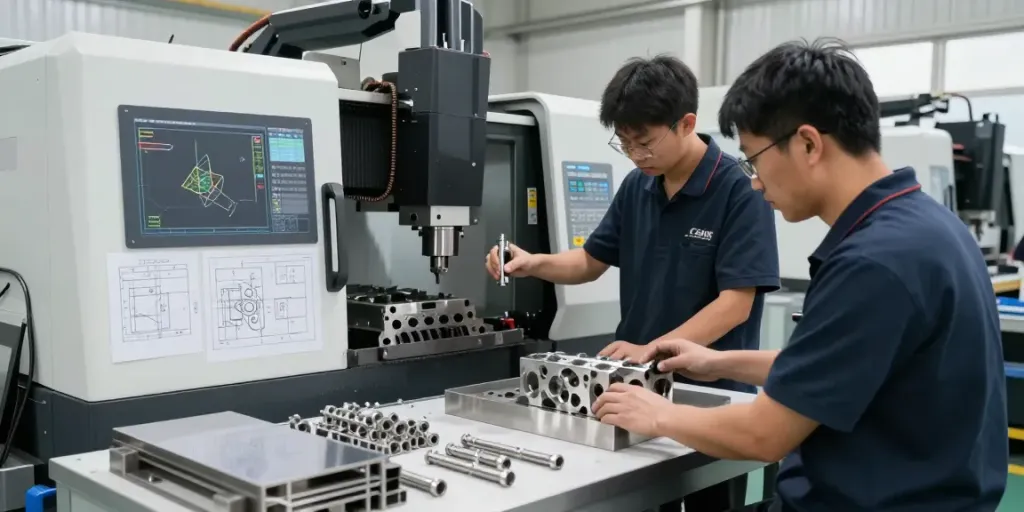
The efficiency and accuracy of producing custom stainless steel parts heavily depend on the CNC machining process. Delving into the technologies, challenges, and design considerations is vital for better outcomes.
Advanced Technologies Used in CNC Machining
Modern CNC machining employs advanced technologies that enable high precision in manufacturing. Techniques such as 5-axis machining provide unparalleled freedom in designing complex geometries, which traditional machining methods often struggle to achieve. Additionally, the integration of CAD/CAM systems streamlines the design and production process, ensuring that custom parts are fabricated precisely according to specifications.
Common Challenges in Stainless Steel Machining
Machining stainless steel presents its own set of challenges, including:
- Work Hardening: Stainless steel tends to work harden, making it difficult to cut and shape.
- Heat Generation: Excessive heat during machining can lead to tool wear or part distortion.
- Tool Selection: Choosing the right tools and speeds is critical to achieving high-quality finishes.
Addressing these challenges requires skilled operators and the use of high-quality machining tools.
Design Considerations for Custom Parts
When designing custom stainless steel parts, there are several key factors to consider:
- Functionality: The part must fulfill its intended purpose without compromising performance.
- Tolerances: Maintaining tight tolerances is essential for components that interact with other parts.
- Aesthetics: For visible parts, surface finishes can enhance the overall appeal and customer satisfaction.
Collaboration between engineers and manufacturers during the design phase can lead to better results and enhanced innovation.
Evaluating Quality and Performance
Quality assurance is a non-negotiable aspect of manufacturing custom stainless steel parts. Assessing quality and performance metrics helps ensure the longevity and reliability of components.
Importance of Quality Control in Production
Implementing stringent quality control measures throughout the production process is critical for achieving high standards. This involves regular inspections, testing for mechanical properties, and verifying that the parts meet the specified tolerances. A robust quality control system reduces the likelihood of defects and ensures that the final products are reliable and perform as expected.
Assessing Durability and Corrosion Resistance
Durability and corrosion resistance are key attributes of stainless steel parts. Using established testing methods, manufacturers can assess how materials will perform in various environmental conditions. This is especially important in applications within harsh industries, such as chemical processing or marine environments.
Performance Metrics for Stainless Steel Parts
Performance metrics include tensile strength, yield strength, and elongation properties. These metrics help in predicting how a part will behave under stress or extreme conditions. Understanding these properties is essential for engineers who need to ensure that their designs will hold up in real-world applications.
Choosing the Right Manufacturer
Selecting a competent CNC machining partner is a critical decision that impacts the success of your component production. Here are essential factors to consider:
What to Look for in a CNC Machining Partner
When evaluating potential manufacturers, consider their experience, capabilities, and technology. Look for companies with a proven track record in producing custom stainless steel parts and those willing to collaborate on design for manufacturability. Quality certifications such as ISO 9001 can also be indicators of a manufacturer’s commitment to maintaining high standards.
Case Studies: Successful Custom Parts Production
Reviewing successful case studies can provide insight into a manufacturer’s capabilities. For example, a company that produces custom surgical instruments may showcase how they overcame specific challenges in design and production to deliver a successful product that met stringent regulatory guidelines.
Questions to Ask Potential Suppliers
When engaging with potential suppliers, consider asking:
- What quality control measures do you implement?
- Can you provide references or case studies from previous projects?
- What is your typical lead time for custom parts?
These questions can help gauge the supplier's reliability and ability to meet your requirements.
Future Trends in Custom Stainless Steel Parts
Looking ahead, several trends are emerging in the field of custom stainless steel parts that manufacturers and consumers should be aware of.
Technological Advancements on the Horizon
Emerging technologies such as additive manufacturing and automation are set to revolutionize the production of custom parts. These advancements may lead to reduced lead times, increased design flexibility, and improved efficiency. For example, the integration of AI in CNC machining can optimize production processes, enabling manufacturers to achieve higher precision while reducing waste.
Changing Market Demands and Specifications
As industries evolve, so do the demands for custom stainless steel parts. Factors such as sustainability and energy efficiency are influencing material selection and manufacturing processes. Companies are increasingly seeking eco-friendly solutions that do not compromise on performance.
Predictions for the Industry in 2026 and Beyond
By 2026, the demand for custom stainless steel parts is expected to rise further, driven by technological advancements and expanding applications in various sectors. Manufacturers who adapt to these changes and innovate their processes will likely lead the market, creating bespoke solutions that meet the evolving needs of their clients.
What are the benefits of using custom stainless steel parts?
Custom stainless steel parts offer multiple advantages, including enhanced performance tailored to specific applications, longevity due to corrosion resistance, and aesthetic appeal for end products. These benefits make them a preferred choice in numerous industries.
How to ensure quality in custom parts manufacturing?
To ensure quality, manufacturers should implement rigorous quality control processes, utilize advanced technologies, and maintain clear communication with clients throughout the design and production stages.
What industries use custom stainless steel parts?
Custom stainless steel parts are used in a variety of industries including medical, food processing, aerospace, automotive, and chemical engineering, each requiring specific characteristics and performance metrics.
How does CNC machining enhance precision?
CNC machining allows for high precision by utilizing computer-controlled tools that follow exact specifications, ensuring tight tolerances and repeatable results across large production runs.
What are the common applications of stainless steel parts?
Common applications include surgical instruments, food processing equipment, automotive components, and chemical storage solutions. Each application demands unique material properties and manufacturing capabilities.