Understanding Containerized Wastewater Treatment
In an era where sustainable water management practices are essential, containerized wastewater treatment systems are paving the way for innovative and efficient solutions. These systems stand out as highly adaptable technologies that can cater to a variety of wastewater treatment challenges across different sectors. From domestic sewage to intricate industrial effluents, their modular design and rapid deployment capacity make them an attractive option for many stakeholders.
What is Containerized Wastewater Treatment?
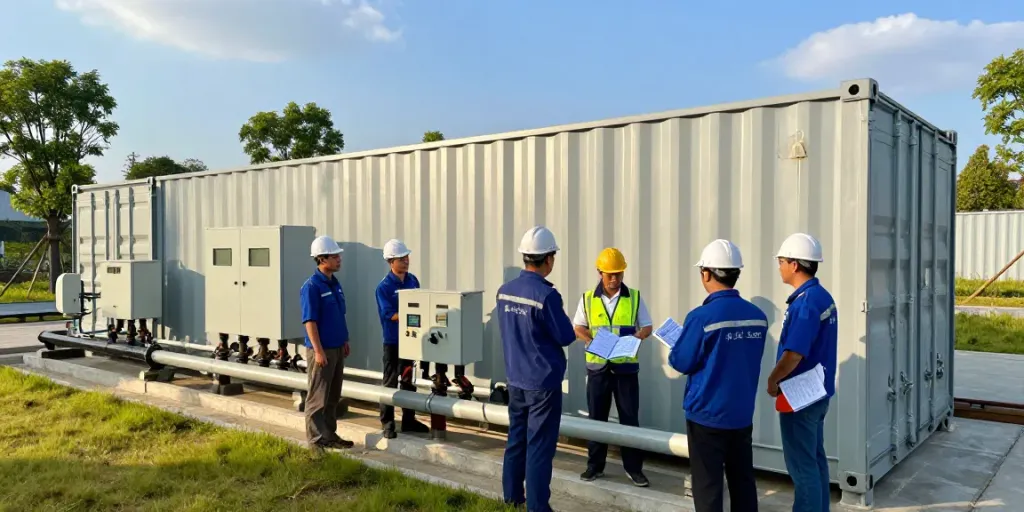
Containerized wastewater treatment refers to a pre-engineered, modular wastewater treatment system housed within standard shipping containers. These systems are designed to provide a comprehensive solution for wastewater management, capable of treating various effluents while ensuring compliance with environmental regulations. Typically, they incorporate multiple treatment processes tailored to the specific demands of the application, including biological, physical, and chemical treatment methods.
Key Components of Containerized Systems
Containerized wastewater treatment systems consist of several key components, each contributing to the overall efficiency and effectiveness of the treatment process. Major components include:
- Influent Pumping Station: Responsible for transporting wastewater into the treatment system.
- Screening Unit: Removes large debris and solids that may hinder the treatment process.
- Biological Treatment Tanks: Where microorganisms break down organic matter present in the wastewater.
- Clarifiers: Help separate treated water from sludge and other solid residues.
- Disinfection Units: Essential for eliminating pathogens before the treated water is discharged or reused.
Benefits of Modular Design
The modular design of containerized wastewater treatment systems offers numerous advantages. They can be easily scaled up or down according to specific project requirements, allowing for cost-effective solutions that can adapt to changing environmental conditions or regulatory demands. Additionally, their pre-assembled nature significantly reduces installation times, often allowing for operation within a matter of days after delivery.
Advantages Over Traditional Wastewater Solutions
Rapid Deployment and Flexibility
One of the most significant advantages of containerized wastewater treatment systems is their rapid deployment capability. Unlike traditional treatment plants, which can take months or even years to construct, containerized systems can be operational in a remarkably short time frame. Typically, a containerized unit can be transported via flatbed truck and installed with a crane in just one to two days, providing immediate solutions for urgent wastewater treatment needs.
Compliance with Environmental Standards
Containerized wastewater treatment systems are designed to meet stringent environmental regulations, ensuring compliance with both local and international standards. By integrating advanced treatment technologies, these systems effectively reduce pollutants and harmful substances, minimizing environmental impact. Their ability to maintain compliance is crucial for industries where legal penalties for non-compliance can be severe.
Cost-Effectiveness and Operational Efficiency
Implementing a containerized wastewater treatment system can lead to significant cost savings compared to traditional treatment methods. The modular design allows for reduced construction and maintenance costs. Additionally, the operational efficiency of these systems often results in lower energy and water usage, contributing to higher overall sustainability. Organizations can benefit from improved cash flow through reduced capital expenditures while ensuring reliable wastewater treatment capabilities.
Real-World Applications and Case Studies
Success Stories from Domestic Installations
Containerized wastewater treatment systems have been successfully deployed in various domestic settings, including residential complexes and remote communities. For instance, in rural areas where traditional sewage systems may be impractical, these containerized solutions provide an effective alternative, ensuring that residents have access to reliable sanitation without extensive infrastructure costs.
Innovative Uses in Industrial Settings
Industries such as food processing, pharmaceuticals, and textiles have also leveraged containerized systems for their wastewater treatment needs. These industries often face stringent discharge requirements, making containerized solutions ideal for managing complex effluents. A notable example is a food processing facility that adopted a containerized system to treat its wastewater, achieving significant reductions in both chemical oxygen demand (COD) and total suspended solids (TSS) within weeks of operation.
Comparison of Outcomes in Different Regions
The effectiveness of containerized wastewater treatment systems varies by region based on local regulations and environmental challenges. For example, in areas with strict nutrient discharge limits, the appropriate design and technology selection can lead to exceptional outcomes, ensuring compliance and promoting sustainability. Comparative studies show that regions implementing these modular systems experienced better water quality outcomes than those relying solely on traditional plants.
Challenges and Considerations in Implementation
Addressing Initial Setup and Costs
While the advantages of containerized systems are numerous, potential users must be aware of the initial setup and costs associated with adopting this technology. Though generally more cost-effective than traditional systems, the upfront investment in containerized systems can still be significant. It is essential for organizations to conduct thorough cost-benefit analyses to ensure that the lifetime savings outweigh the initial expenditure.
Operational Challenges in Diverse Environments
Depending on the geographical and environmental conditions, containerized wastewater treatment systems may face operational challenges. Extreme weather conditions, such as severe cold or heat, may affect system performance. Users should consider using additional insulation or climate control measures as needed to maintain optimal operation. Regular maintenance and monitoring are also critical to address wear and tear due to environmental factors.
Training and Skills Needed for Maintenance
Proper training and skill development are necessary to operate and maintain these systems effectively. Although containerized systems are designed for user-friendliness, personnel must possess a foundational understanding of wastewater treatment processes and technologies. Investing in training programs ensures that staff members can troubleshoot issues promptly, resulting in minimized downtime and enhanced system reliability.
The Future of Containerized Wastewater Treatment
Emerging Technologies and Innovations
The future of containerized wastewater treatment is poised for evolution with the integration of emerging technologies. Innovations such as artificial intelligence (AI) and Internet of Things (IoT) applications are set to enhance monitoring and management, leading to smarter treatment operations. Predictive analytics can enable proactive maintenance and system adjustments, ensuring optimal performance and compliance with regulations.
Regulatory Changes Impacting Adoption
As global environmental regulations continue to evolve, containerized wastewater treatment systems will need to adapt to comply with new directives. The increasing focus on sustainability and resource recovery means that systems will integrate advanced treatment technologies that not only focus on removal rates but also facilitate water reuse and resource recovery, such as biogas production.
Predictions for 2026 and Beyond
Looking ahead to 2026 and beyond, the adoption of containerized wastewater treatment is expected to rise significantly. As industries face growing pressures to operate sustainably and efficiently, containerized systems will become increasingly vital. With more businesses recognizing the importance of effective wastewater management, it is likely that we will see enhanced designs and wider acceptance of these modular solutions globally.
What are the primary benefits of containerized wastewater treatment?
The primary benefits include rapid deployment, modular design for flexibility, compliance with environmental standards, and cost-effectiveness.
How does the cost of containerized systems compare to traditional plants?
Containerized systems generally have lower initial setup costs and offer significant operational savings over time compared to traditional plants.
What industries can benefit from containerized wastewater systems?
Industries such as food processing, pharmaceuticals, textiles, and municipal applications can all benefit from containerized wastewater treatment systems.
What environmental standards do these systems meet?
Containerized systems are designed to meet local and international environmental standards, ensuring safe discharge and compliance.
How quickly can containerized systems be deployed?
Typically, containerized systems can be operational within one to two days after installation, making them ideal for urgent wastewater treatment needs.