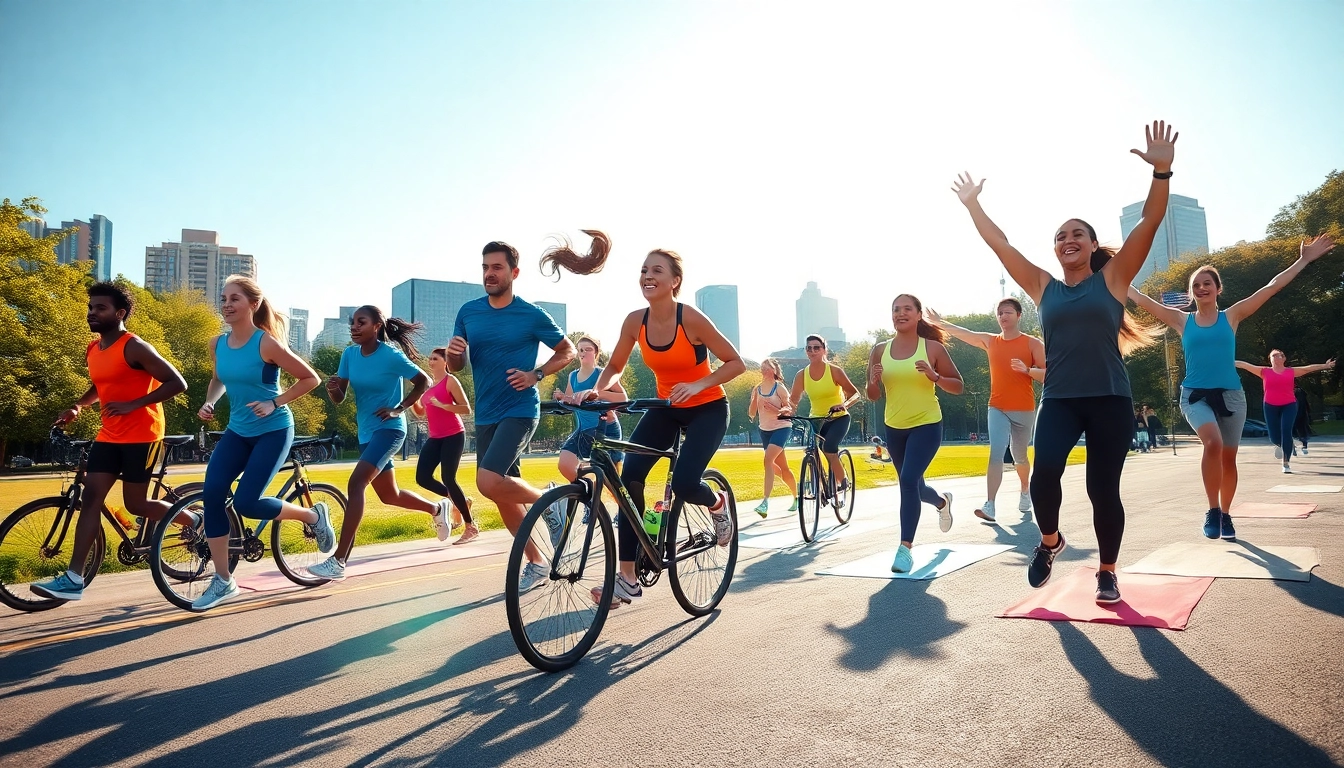
Understanding the Importance of Sportswear
In today's fast-paced world, where wellness and fitness have taken center stage, the Sportswear industry has witnessed tremendous growth. This category of apparel not only enhances performance but also provides comfort and style during physical activities. Understanding the significance of sportswear can truly elevate your fitness journey.
What is Sportswear?
Sportswear refers to clothing designed for physical activities, ranging from casual gym sessions to professional sports. It is specifically crafted to offer support, flexibility, and comfort, accommodating various movements and exertions. The term encompasses a broad array of clothing items, including but not limited to tracksuits, athletic shorts, leggings, sports bras, and shoes. As the fitness culture continues to envelop modern society, the definition of sportswear has also evolved, incorporating both functionality and aesthetic appeal.
Benefits of Wearing Sportswear
Choosing the right sportswear is crucial for multiple reasons. Firstly, it enhances performance by providing necessary support, preventing injuries during rigorous activities. Secondly, many sportswear fabrics are engineered to regulate body temperature, ensuring you stay comfortable. Thirdly, wearing appropriate sportswear boosts confidence, allowing you to focus on your performance without distractions about your attire. Finally, the right outfit can motivate individuals to exercise, serving as a psychological boost for a dedicated workout.
Types of Sportswear Available
The diversity in sportswear means there’s a suitable option for everyone, depending on the activity at hand. Here are a few categories:
- Activewear: Ideal for gym workouts and dynamic movements.
- Athleisure: Fashion-oriented sportswear that is chic enough for casual outings.
- Performance wear: Specifically designed for high-intensity activities.
- Footwear: Essential for all forms of exercise, tailored to provide the right cushioning and support.
Choosing the Right Sportswear for Your Activity
The effectiveness of sportswear greatly depends on the intended activity. Here’s how to tailor your choices based on activity type:
Sportswear for Cardio Exercises
For cardio exercises, such as running or cycling, opt for lightweight, breathable fabrics. Clothing should allow for free movement and should feature an appropriate fit to prevent chafing. Look for items with moisture-wicking properties to keep sweat away, ensuring comfort throughout your workout.
Sportswear for Strength Training
Strength training calls for durable sportswear that can withstand stretching and pulling. Fabrics that offer breathability and flexibility, like spandex blends, are ideal. Ensure that your attire is not overly restrictive, thus allowing a full range of motion during exercises such as squats and deadlifts.
Sportswear for Yoga and Flexibility
Yoga requires clothing that offers ultimate flexibility and comfort. Look for stretchy materials with a snug but non-restrictive fit, such as cotton or modal blends. Yoga tops and leggings should allow seamless movement through poses while providing enough coverage and support.
Materials and Technology in Sportswear
The advancements in materials and technology significantly impact the performance of sportswear. Understanding these can help make an informed choice.
Breathable Fabrics for Comfort
Breathability is vital in sportswear. Fabrics like mesh, polyester, or nylon allow ventilation, which helps regulate body temperature during workouts. Enhanced breathability translates to better comfort, enhancing your overall exercise experience.
Moisture-Wicking Technology
Moisture-wicking fabric draws sweat away from the skin towards the outer layer of the garment, where it can evaporate quickly. This technology helps keep the body dry and comfortable during high-intensity activities, reducing the risk of overheating and skin irritation.
Durability and Performance Features
Durability is fundamental when it comes to selecting sportswear. Look for items that are made with high-quality stitching and reinforced seams, especially for activities that involve strain. Enhanced performance features, like anti-odor treatment and UV protection, can provide additional benefits valuable for outdoor sports enthusiasts.
Styling Tips for Sportswear
Layering Your Sportswear
Layering is not just functional—it can also be stylish. Layering can help adapt to changing weather conditions. Start with a base layer like a moisture-wicking shirt, add a mid-layer for warmth, and finish with an outer layer for wind and rain protection.
Mixing and Matching Colors
The right color combinations can make your sportswear stand out. Try to mix bright colors with neutrals to create a balanced look. Use patterns and textures creatively to express your individual style while maintaining a functional aesthetic.
Accessorizing Your Sportswear
Accessories can enhance your sportswear and overall appeal. Consider fitness watches, headbands, or caps that not only serve a practical purpose but also tie the entire ensemble together. Footwear can also be a crucial aspect, as they play a significant role in comfort and support.
Maintaining and Caring for Your Sportswear
Proper maintenance ensures that your sportswear remains functional and appealing over time. Here are some tips for optimal care:
Washing and Drying Tips
To prolong the life of your sportswear, always check the care labels. It is recommended to wash them in cold water with similar fabrics to prevent damage. Avoid fabric softeners, as they can hinder moisture-wicking properties. Air dry your garments whenever possible to avoid shrinkage and fabric wear.
Storing Your Sportswear Properly
Store your sportswear in a cool, dry place away from direct sunlight to prevent fading and deterioration. Keeping your garments organized can also save time when preparing for workouts, ensuring you always have clean and ready-to-wear pieces at hand.
When to Replace Worn Sportswear
One of the key aspects of maintaining your sports wardrobe is knowing when to replace it. Signs of wear typically include pilling, fabric thinning, and loss of elasticity. If your garments no longer provide sufficient support or comfort, especially during workouts, it’s time to invest in new pieces.
Frequently Asked Questions
1. What is the best material for sportswear?
Lightweight, breathable materials like polyester, spandex, and nylon are excellent for sportswear. They offer flexibility, moisture wicking, and comfort.
2. How often should I replace my sportswear?
Sportswear should be replaced when you notice signs of wear, such as pilling, loss of elasticity, or discomfort during workouts. Pay attention to the lifespan of each garment.
3. Can I wear sportswear for casual outings?
Absolutely! Athleisure fashion allows you to wear sportswear in casual settings. By mixing and matching with trendy pieces, you can create stylish everyday outfits.
4. How do I choose the right size for sportswear?
Always refer to size charts provided by manufacturers. It's advisable to try on garments to ensure a comfortable fit, especially for tighter styles.
5. Is it necessary to wear specialized sports footwear?
Yes, specialized sports footwear is crucial for supporting your feet during different physical activities. They provide cushioning and stability, thus reducing the risk of injury.