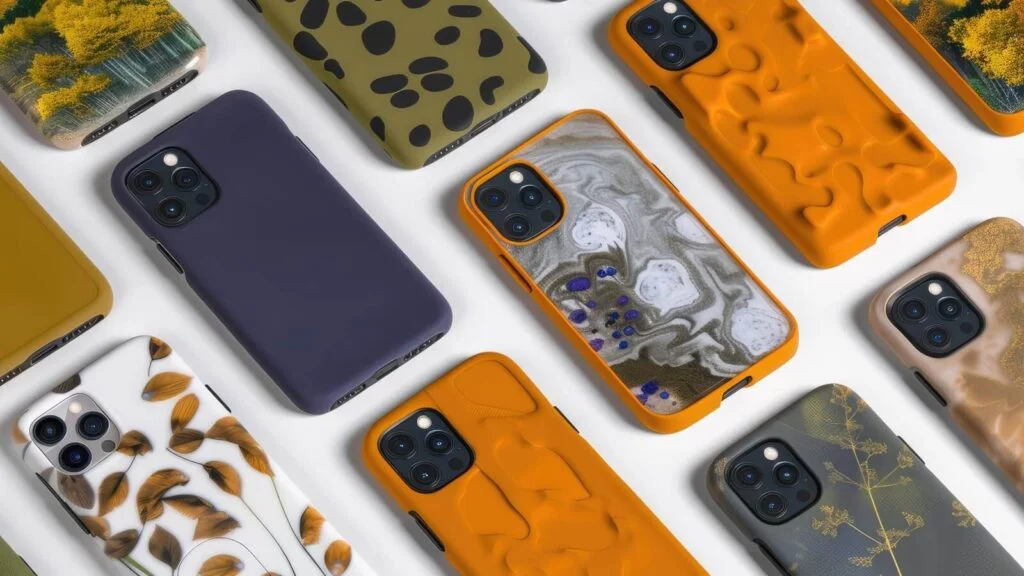
Understanding the Cell Phone Case Factory
In the fast-evolving world of mobile technology, the demand for protective and stylish accessories has surged, paving the way for the growth of the cell phone case factory industry. This article takes a closer look at the essential components and operational intricacies of a cell phone case factory, providing insights into the manufacturing processes, material selection, and quality control measures that define this vibrant sector.
Overview of Manufacturing Processes
The manufacturing process of cell phone cases is a multifaceted journey that begins with preliminary design concepts and culminates in the final product ready for market. Typically, the process can be broken down into several key stages, including design and prototyping, material selection, production, quality assurance, and packaging.
It is crucial to create prototypes initially to test the fit and functionality of the cases. Various design software is employed to draft concepts before transitioning to the production line. From there, raw materials suitable for production are sourced based on the specific requirements of the case, leading to the adoption of manufacturing techniques like injection molding and die-cutting.
The Importance of Material Selection
A pivotal step in the manufacturing process is the selection of materials. The durability, aesthetics, and cost-effectiveness of a case largely depend on the materials chosen. Common materials include:
- Silicone: Flexible and shock-absorbent, ideal for basic protection.
- Polycarbonate: A type of plastic that offers high-impact resistance.
- Thermoplastic Polyurethane (TPU): Combines the flexibility of silicone and sturdiness of polycarbonate.
- Leather: Offers elegance and durability but at a higher price point.
Choosing materials that balance protection, weight, and user appeal is essential for producing a successful product that meets consumer expectations.
Quality Control in Production
Quality control is vital at every manufacturing stage to ensure that the final product meets industry standards and consumer expectations. Quality checks may include:
- Inspection of raw materials for defects.
- Monitoring production parameters to ensure molding and cutting processes are adequate.
- Final product testing, including drop tests and environmental resistance tests.
Implementing a robust quality control framework not only enhances customer satisfaction but also mitigates potential returns and ensures factory reliability.
Key Manufacturing Techniques in the Cell Phone Case Factory
Injection Molding Explained
Injection molding is a widely used technique in the manufacturing of cell phone cases. This process involves injecting molten material into a mold to form the casing. It’s favored for its ability to produce complex shapes accurately and in large volumes. The steps include:
- Heating raw materials until molten.
- Injecting the molten material into a precisely designed mold.
- Allowing the material to cool and harden inside the mold.
- Removing the hardened case for finishing touches.
This method not only ensures consistent quality but also allows for rapid production, fulfilling high-volume orders efficiently.
Printing and Customization Techniques
To meet diverse customer aesthetics, customization techniques play a crucial role in cell phone case factories. Techniques such as:
- UV Printing: Uses ultraviolet light to cure ink as it is printed, allowing for vibrant and durable designs.
- Screen Printing: A method that involves pushing ink through a mesh screen, allowing for solid color prints.
- Laser Engraving: Used for creating intricate designs or text on the surface of the cases.
These methods enable factories to provide personalized options, meeting unique consumer preferences and elevating brand identity.
Assembly Line Best Practices
Efficiency in manufacturing processes is significantly enhanced by adopting assembly line practices. Key considerations include:
- Task specialization: Assigning specific tasks to individual workers leads to improved proficiency.
- Streamlined workflows: Optimizing the sequence of operations to prevent bottlenecks.
- Continuous training: Ensuring that employees are updated on the latest machinery and techniques.
Implementing these best practices fosters a productive environment that enhances overall output and quality.
Essential Equipment for the Cell Phone Case Factory
Types of Machinery Used
The machinery employed in a cell phone case factory is critical to ensuring a smooth and efficient manufacturing process. Key equipment includes:
- Injection Molding Machines: For producing the physical cases.
- Laser Cutting Machines: For precision in cutting materials.
- Screen Printers: For decorating and customizing designs.
Each machine plays a vital role in enhancing productivity while maintaining high manufacturing standards.
Automation in Production Processes
Incorporating automation has become increasingly popular in manufacturing. Automation benefits include:
- Increased consistency and quality of production.
- Reduced labor costs over time.
- Enhanced production speed, allowing for faster time-to-market.
As technology advances, greater integration of automated systems will likely reshape operational strategies in the cell phone case manufacturing industry.
Maintenance of Equipment
Regular maintenance of machinery is essential for optimal performance and longevity. Routine checks should include:
- Inspecting for wear and tear on moving parts.
- Calibration of machines to ensure precision.
- Regular cleaning to prevent contamination of materials.
Implementing a proactive maintenance schedule can prevent unexpected downtimes, ensuring a smooth production flow.
Challenges Faced by the Cell Phone Case Factory
Sourcing Raw Materials
One of the significant challenges in cell phone case manufacturing is sourcing high-quality raw materials. Factors to consider include:
- Variation in material costs due to global market changes.
- Dependence on reliable suppliers to maintain production schedules.
- Ensuring the sustainability of sourced materials to meet consumer demand for eco-friendly products.
Navigating these challenges necessitates establishing strong supplier relationships and being adaptable to market changes.
Intellectual Property Concerns
Maintaining the integrity of design and brand is crucial in the competitive landscape of cell phone accessories. Challenges include:
- Protecting proprietary designs from imitation.
- Navigating patent laws in different regions.
To combat these issues, manufacturers should invest in legal protections and ensure that all designs are labeled and documented accordingly.
Meeting Customer Demand
As consumer preferences evolve rapidly, factories face the challenge of adapting to new trends. Strategies to mitigate this challenge involve:
- Conducting market research to stay ahead of industry trends.
- Implementing flexible production strategies that allow customization.
- Offering shorter lead times to satisfy immediate consumer demands.
By staying attuned to market shifts, manufacturers can adjust their offerings and maintain competitiveness.
The Future of Cell Phone Case Manufacturing
Trends in Design and Technology
The future of cell phone case manufacturing is likely to be influenced heavily by the rise of new technology and design trends. Notable trends include:
- Increased demand for multifaceted designs that combine protection with style.
- Integration of technology into cases, such as wireless charging capabilities.
- Minimalist designs that focus on aesthetics alongside functionality.
Keeping a close watch on these trends will allow manufacturers to innovate and cater to evolving consumer preferences.
Sustainable Practices and Materials
As consumers become more environmentally conscious, there is a growing emphasis on sustainable materials and practices in manufacturing. This shift may involve:
- Using biodegradable materials for case production.
- Implementing eco-friendly manufacturing processes to minimize waste.
Adopting these practices not only meets consumer demands but also contributes positively to brand image.
Innovations on the Horizon
The cell phone case industry is poised for numerous innovations. Potential advancements include:
- 3D printing technology that enables custom case production on-demand.
- Smart cases that interact with phone features to increase functionality.
These innovations represent exciting prospects for the future of cell phone case manufacturing and present new opportunities to improve customer experience.
Frequently Asked Questions
What materials are used in cell phone case manufacturing?
Common materials include silicone, polycarbonate, and TPU, offering varying levels of protection and aesthetics.
How long does it take to produce a batch of phone cases?
Production time varies; typically, it can take from days to weeks, depending on order size and customization.
Are custom designs possible at a cell phone case factory?
Yes, many factories offer custom designs and colors to meet specific customer requirements.
What quality control measures are taken?
Quality control includes inspections at various stages, from raw material selection to final product testing.
How does automation affect cell phone case production?
Automation enhances efficiency, reduces labor costs, and increases production speed while maintaining quality standards.