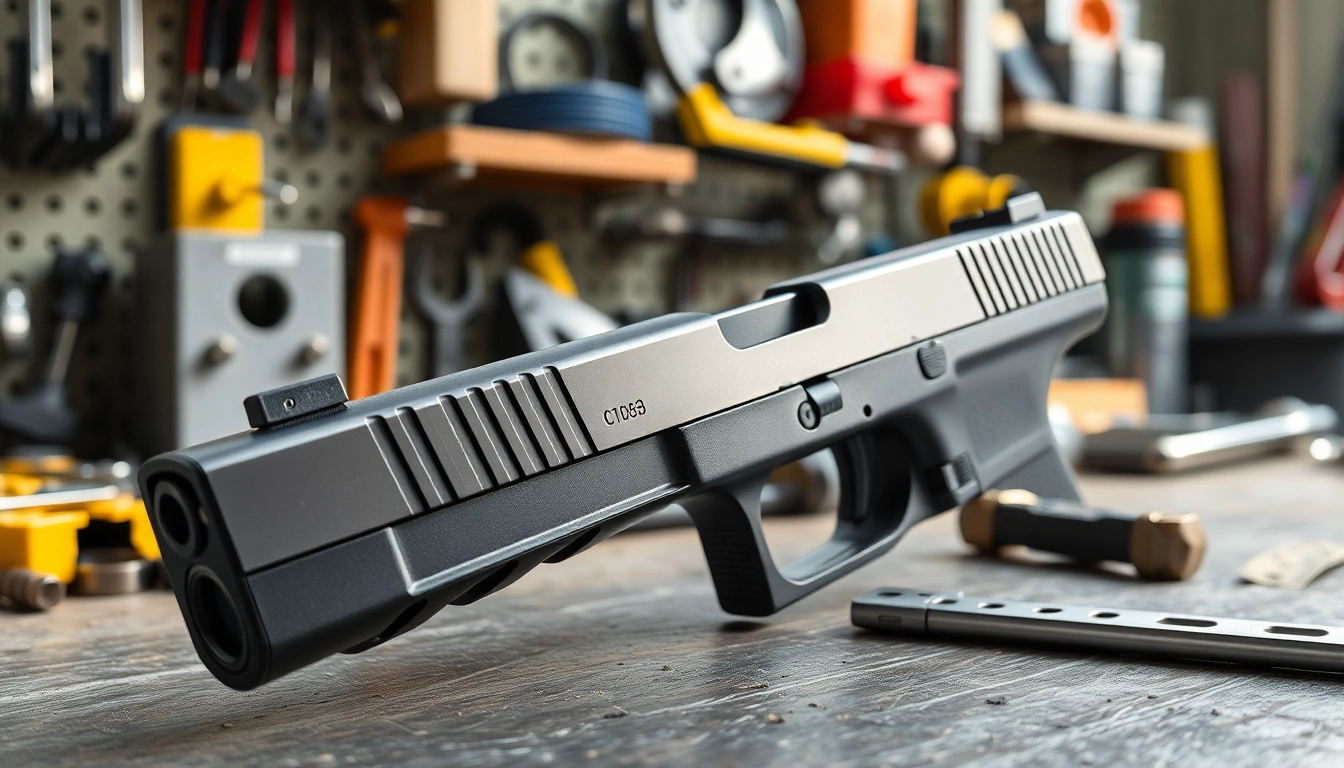
Understanding the Glock 17 Slide
What is a Glock 17 Slide?
The Glock 17 slide is a crucial component of the Glock 17 pistol, serving as the upper part of the firearm that houses the barrel, recoil spring, and other essential mechanisms. The slide operates by cycling during the firing process, ejecting the spent cartridge, and loading a new round. This process is integral to the reliable functioning of the Glock 17, making the slide a key element when considering upgrades or replacements. Understanding the various aspects of the slide can enhance your shooting experience and improve the firearm's performance overall.
Importance of Slide Quality
The quality of the Glock 17 slide dramatically impacts the firearm's reliability, accuracy, and overall lifespan. A well-manufactured slide ensures smooth operation, minimizing malfunctions and optimizing the user experience. Factors such as material quality, weight, and design play essential roles in how effectively the slide performs. Investing in a high-quality Glock 17 slide can enhance your shooting accuracy and rate of fire, making it vital for anyone serious about their firearms.
Common Types of Glock 17 Slides
There are several variations of Glock 17 slides available on the market, each designed with unique features to cater to diverse user preferences:
- OEM Slides: Original equipment manufacturer slides are factory-made and offer reliability and consistency.
- Aftermarket Slides: These slides often feature custom designs, cuts for optics, or improved ergonomics.
- RMR Cuts: Designed for mounting red dot sights, RMR cuts provide improved aiming solutions for competitive shooting.
- Windowed Slides: Slides with cutouts that reduce weight and enhance aesthetics while allowing users to see the internal components.
Features to Look for in a Glock 17 Slide
Material and Durability
The material used in a Glock 17 slide directly affects its durability and functionality. Common materials include:
- Steel: Known for strength and longevity but can add weight.
- Aluminum: Lighter option that may be less durable than steel but offers improved maneuverability.
- Polymer: A lightweight and corrosion-resistant choice often used in budget-friendly models.
High-quality finishes, such as nitriding or Cerakote, can enhance resilience against wear and environmental factors.
Design and Aesthetics
Beyond functionality, the design of the Glock 17 slide can significantly influence personal preference. Custom designs, such as serrations, lightning cuts, or specific color finishes, are available to cater to individual tastes. A well-designed slide will not only enhance performance but can also add an appealing aesthetic to your firearm.
Compatibility with Accessories
A quality Glock 17 slide should be compatible with various accessories, such as optics, suppressors, and enhanced sights. Ensure the slide you choose supports the specific modifications you are interested in. For instance, slides with RMR cuts provide a factory-ready mount for preferred optics, facilitating smoother operation and faster target acquisition.
Where to Buy a Glock 17 Slide
Online Retailers
Purchasing a Glock 17 slide online offers convenience and a wider selection. Many dedicated firearm accessory websites provide premium options with detailed specifications, pricing, and customer reviews. For reliable options, consider looking for a glock 17 slide for sale on reputable retail sites to ensure quality and satisfaction.
Local Gun Shops
Visiting local gun shops allows you to physically assess the Glock 17 slides. Engaging with knowledgeable staff can provide insights into the best options suited to your needs. In-store purchases also enable immediate acquisition and the opportunity to ask questions about compatibility and features.
Specialty Firearm Shows
Attending firearm shows can yield unique opportunities to buy Glock 17 slides. These events often feature niche brands and innovative products not readily available in typical retail channels. Exhibitors may also offer special discounts or bundles that are exclusive to attendees.
Care and Maintenance of Your Glock 17 Slide
Cleaning Procedures
Maintaining your Glock 17 slide requires regular cleaning. Begin by removing the slide from the frame and disassembling any components like the recoil spring and barrel. Use a cleaning solvent and a soft brush to clear away carbon buildup and debris from the slide's interior and exterior surfaces. A cotton swab can access tight spots effectively. Once cleaned, oil the slide lightly to prevent corrosion.
Storage Tips
Effective storage prolongs the life of your Glock 17 slide. Always store your firearm in a secure, dry place away from humidity and direct sunlight. Avoid leaving it in high-heat areas, as fluctuations can potentially warp materials. Use a protective case or a safe designed for firearms to minimize exposure to harmful elements.
Regular Inspection
Conducting regular inspections of your Glock 17 slide helps catch wear and tear before it leads to malfunction. Look for signs of corrosion, deep scratches, or unusual wear patterns on the slide rails. If you notice any abnormalities, it may be time for replacement or professional servicing to maintain optimal performance.
Frequently Asked Questions About Glock 17 Slides
What is the typical price for a Glock 17 slide?
The typical price for a Glock 17 slide ranges from around $150 to $500, depending on the manufacturer, materials, and features.
Can I customize my Glock 17 slide?
Yes. Many manufacturers offer customizable options for Glock 17 slides, including different finishes, cuts, and engravings to suit your preferences.
What materials are Glock 17 slides made from?
Glock 17 slides are commonly made of steel, aluminum, or polymer, and often feature protective coatings for enhanced durability.
Does the slide affect gun performance?
Yes, the slide impacts gun performance significantly, affecting reliability, weight, and recoil management, all contributing to shooting accuracy.
How do I install a new Glock 17 slide?
To install a new Glock 17 slide, remove the old slide assembly, align the new slide on the frame rails, and ensure it locks into place, followed by reassembling components in reverse order.