Understanding Soft Foam Building Blocks
What Are Soft Foam Building Blocks?
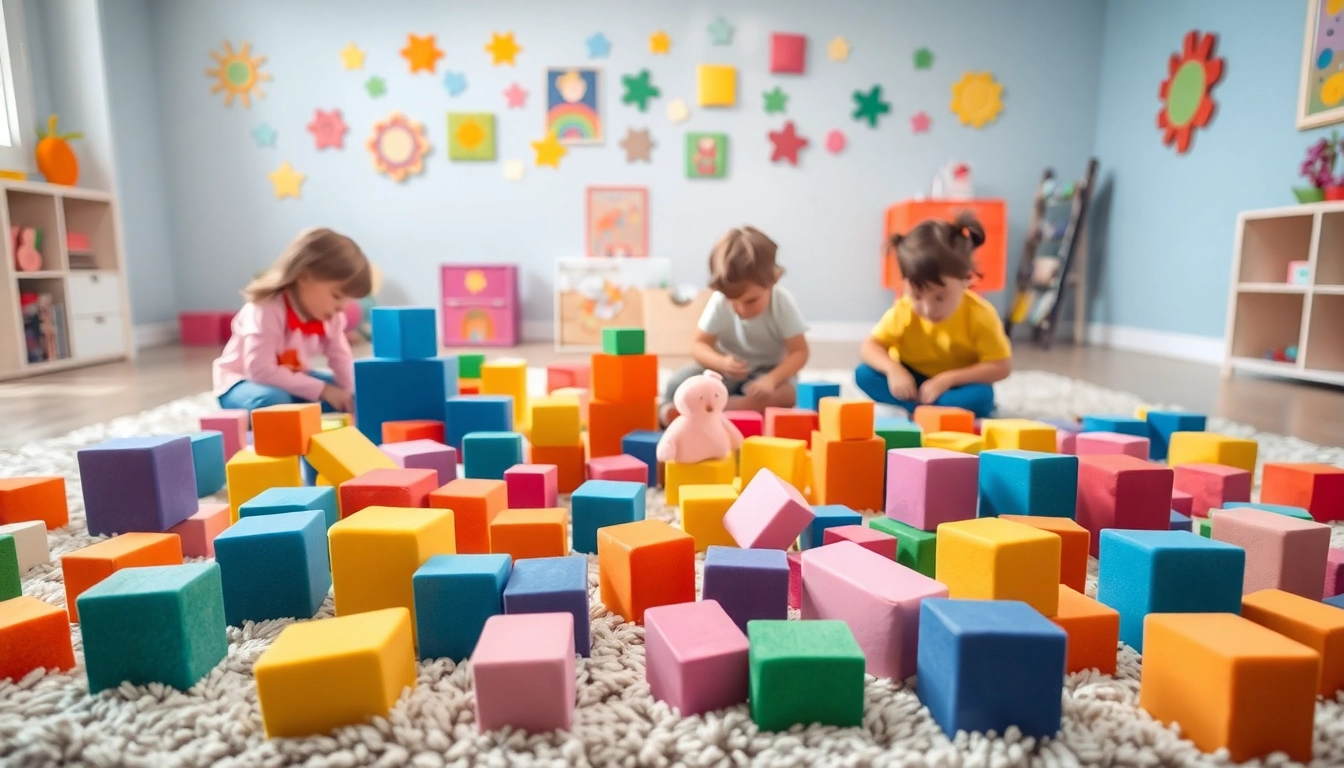
Soft foam building blocks are versatile play materials made from lightweight foam, designed to engage children's senses and inspire creativity. Unlike traditional wooden or plastic blocks, these soft varieties provide a safer alternative for toddlers and young children. They typically come in a range of shapes, sizes, and colors, allowing for endless construction possibilities and imaginative play scenarios. Their unique design also makes them perfect for indoor play, where minimizing injury risk is paramount. To explore various kinds of soft foam building blocks, you can read more here.
Benefits of Using Soft Foam Blocks for Play
The benefits of incorporating soft foam blocks into a child's playtime are abundant:
- Safety: Soft foam blocks reduce the risk of injury, making them ideal for toddlers who are still developing coordination and balance.
- Motor Skill Development: Building with these blocks enhances fine and gross motor skills as children grasp, stack, and balance objects.
- Creativity: With endless possibilities, children can create anything from simple towers to complex structures, encouraging imaginative thinking and engineering concepts.
- Social Skills: When used in group play scenarios, foam blocks prompt teamwork and cooperation, helping children practice essential social skills.
- Learning Opportunities: Playing with blocks introduces children to basic concepts of physics, such as balance, gravity, and spatial awareness.
Choosing the Right Foam Blocks for Your Child
When selecting soft foam blocks, consider several factors:
- Age Appropriateness: Opt for blocks that match your child's age and developmental stage. Many manufacturers categorize their toys by age, ensuring safety and engagement.
- Material Quality: Look for blocks made from non-toxic, durable foam that can withstand wear and tear while remaining safe for children to handle.
- Variety of Shapes and Sizes: A good mix of shapes enhances creativity and provides varied learning opportunities as children experiment with different building techniques.
- Ease of Cleaning: Foam blocks should be easy to clean with standard household cleaning agents; check the manufacturer's instructions for care.
Engaging Play Ideas for Children
Building Structures with Foam Blocks
Encourage creativity by letting children build their structures using soft foam blocks. Here are some engaging ideas:
- Architectural Wonders: Challenge kids to replicate famous buildings or design their own architectural marvels. This idea nurtures both creativity and a basic understanding of engineering principles.
- Obstacle Courses: Use foam blocks to create an obstacle course. This promotes physical activity and spatial awareness as they navigate through or around their constructions.
- Themed Building: Introduce themes (e.g., a zoo, castle, or city) to make the building process more fun and context-rich, encouraging imaginative storytelling as they play.
Incorporating Learning Activities with Blocks
Soft foam blocks can be tools for learning. Here are a few educational activities:
- Counting and Math: Use blocks for counting exercises or basic arithmetic. Position blocks to represent numbers and encourage children to add or subtract accordingly.
- Shape Recognition: Introduce children to geometric shapes using blocks. Create sorting games where children group blocks based on their shapes or sizes.
- Color Matching: Create activities where children match blocks to colors, enhancing both recognition and vocabulary skills.
Fun Group Play Ideas Using Soft Blocks
Soft foam blocks are perfect for group activities. Here are some playful ideas:
- Team Building Challenges: Divide children into teams and task them with building the tallest tower or creating the most intricate structure in a set timeframe.
- Block Toss Games: Create a fun throwing game where children toss soft blocks into targeted areas or team goals, promoting hand-eye coordination.
- Story Building: Encourage children to come up with a story based on the structures they build together. This activity fosters narrative skills and teamwork.
Safety Considerations for Soft Foam Blocks
Understanding Safety Standards for Children’s Toys
When purchasing soft foam blocks, it's essential to ensure they comply with safety standards. Look for certification marks or labels that indicate compliance with safety guidelines for children’s toys, as per regulatory bodies. These standards typically evaluate the materials, design, and production processes to ensure they are devoid of harmful substances and meet durability requirements.
How to Ensure Safe Play Spaces with Soft Blocks
Creating a safe play environment is crucial to minimizing risks. Here are some tips:
- Clear Play Area: Ensure the area where children play is free of sharp objects or obstacles that could lead to injuries.
- Supervision: Always supervise young children during play, as active involvement ensures quick assistance during any mishaps.
- Soft Surfaces: Consider placing foam mats or carpets where blocks are used to further cushion falls and bumps.
Signs of Wear and When to Replace Blocks
Constant use can lead to wear and tear on foam blocks. It's important to regularly inspect them for:
- Fraying or Cracks: Any signs of damage can pose a choking hazard or lead to sharp edges.
- Discoloration or Odors: If foam blocks lose their quality or develop unpleasant smells, it's a good indication they may need to be replaced.
- Compromised Integrity: Ensure blocks still retain their shape and bounce. If they become flat or lose their structural integrity, it's time to invest in new ones.
Maintenance and Care for Foam Blocks
Cleaning Your Foam Blocks Effectively
Proper maintenance of foam blocks ensures longevity and hygiene. Cleaning them should involve:
- Regular Wiping: Use a damp cloth with mild soap to wipe down blocks, removing any dirt or germs.
- Deep Cleaning: For an in-depth clean, submerge blocks in a mild soapy solution for a short while, then rinse and air dry completely.
Tips for Storing Foam Blocks
Storage is essential for maintaining the integrity of foam blocks. Here are useful tips:
- Storage Bins: Use plastic bins or containers to store blocks neatly. This keeps them organized and prevents damage.
- Dry Area: Always store foam blocks in a dry place to prevent mold or mildew, which can occur in damp environments.
Preventing Damage and Extending Lifespan
To ensure your soft foam blocks last as long as possible, consider the following:
- Avoid Heavy Weight: Don’t allow children to use foam blocks as platforms or step stools, as excessive weight can deform them.
- Limit Exposure to Sunlight: Keep blocks out of direct sunlight for prolonged periods to prevent fading and degradation of materials.
FAQs About Soft Foam Building Blocks
What age is suitable for soft foam building blocks?
Soft foam building blocks are typically recommended for children aged 1 and older, providing a safe and engaging way to develop motor skills.
Are soft foam blocks safe for indoor play?
Yes, they are designed for indoor use and reduce the risk of injury compared to harder blocks making them ideal for toddlers.
How can foam blocks stimulate creativity?
Foam blocks encourage imaginative play, allowing children to construct various structures, fostering creativity and problem-solving skills.
Can I wash foam blocks?
Most foam blocks can be wiped down or washed with mild soap and water; check manufacturer's instructions for specific care.
Do soft foam blocks come in different sizes?
Yes, soft foam blocks are available in various sizes and shapes to cater to different play needs and age groups.