Understanding the Basics of Billiards
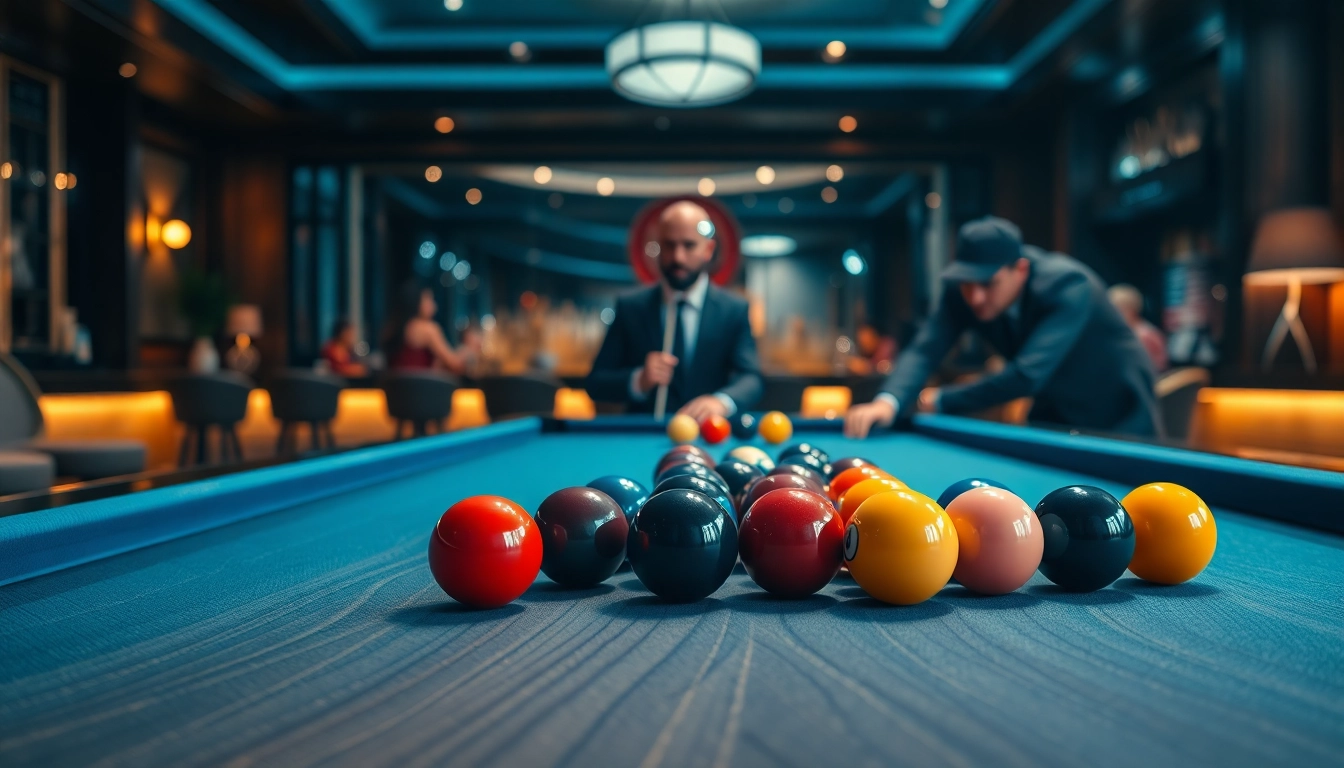
Billiards is more than just a game; it’s a blend of strategy, skill, and precision. Whether you are enjoying a casual match with friends or participating in competitive play, understanding the fundamentals of billiards is essential. In this article, we will dive deep into the history, variants, and essential equipment associated with Billiards.
The History of Billiards
The origins of billiards can be traced back to the 15th century in Europe, evolving from outdoor lawn games. Initially played with wooden balls on a green cloth table, it quickly gained popularity and transformed into various games. By the 18th century, the introduction of pocketed tables marked a significant evolution in the game. Billiards has continuously adapted through centuries, influenced by cultural and technological advancements, leading to its current forms such as pool and snooker.
Different Variants of Billiards
Billiards encompasses numerous variants that have distinct rules and equipment. Key variants include:
- English Billiards: Played with three balls and combines aspects of both billiards and pool.
- Pool: Perhaps the most celebrated variant, pool is known for its diverse games like eight-ball and nine-ball, featuring pockets on the table.
- Snooker: A game typically played on a larger table with smaller pockets, using 21 balls and a cue ball with specific scoring rules.
- Carom: Played on a pocketless table, where players aim to hit both object balls with the cue ball in a single stroke.
Essential Equipment for Billiards
Success in billiards hinges significantly on having the right equipment. Essential items to consider include:
- Cue Sticks: The primary tool used to strike the ball, each cue stick varies in weight, length, and tip material.
- Balls: Standard billiard balls are made of phenolic resin. Specific games use different types and numbers of balls.
- Tables: Quality billiard tables vary in size and surface material, influencing the speed and control of the balls.
- Accessories: Items such as chalk, a cue case, and a bridge can enhance your playing experience and effectiveness.
Key Techniques for Playing Billiards
Mastering billiards requires not just understanding the rules but also developing essential techniques. Below are critical skills every player should cultivate.
Stance and Grip Fundamentals
The fundamental elements of stance and grip greatly influence your shot accuracy. Position your feet about shoulder-width apart for a balanced stance, with your weight distributed evenly. Your grip should be firm but relaxed, allowing for fluid movement. Experiment with hand placement on the cue stick to discover what feels most comfortable, as comfort leads to precision.
Effective Striking Techniques
Effectiveness in billiards comes from precise striking techniques. Here are key points to consider:
- Follow Through: After striking, a solid follow-through helps maintain control and accuracy.
- Contact Point: Hitting the cue ball at various points influences its movement; striking below the center creates backspin, while striking above produces topspin.
- Rhythm: Establishing a consistent rhythm during your stance and shot leads to greater accuracy and confidence.
Understanding Spin and Angle
Spin and angle are pivotal in manipulating the path of the balls. Understanding how to apply different spins — topspin, backspin, and sidespin — can significantly enhance your gameplay. Knowing the angle at which your cue ball strikes the object ball can determine the trajectory, ensuring you can plan your next shot effectively.
Practicing Billiards: Drills and Methods
Practice is essential to mastering billiards. Incorporating various drills and methods into your routine can elevate your skills and performance.
Solo Practice Routines
Solo practice enables you to focus on specific skills without the potential distractions of opponents. Common routines include:
- Ghost Ball Drill: Placing a ball in various positions and aiming to visualize the ghost ball's trajectory can improve your shot alignment.
- Straight Shots: Repeatedly practicing straight shots from different distances helps refine your precision and muscle memory.
- Pocketing Combinations: Set up balls in a specific arrangement and practice sinking them in order to develop strategic thinking.
Using Drills to Improve Skills
Many drills encourage various aspects of your game. Useful drills to implement include:
- Rail Shots: Practice shots bouncing off the rails to enhance your control over angles.
- Speed Control Drill: Practice controlling the cue ball by attempting to stop it at specific markers on the table.
- Pattern Play: Practicing different sequences of shots can simulate game conditions and improve your overall thinking.
Tracking Progress in Billiards
Maintaining a record of your practice sessions can highlight areas for improvement. Consider keeping notes on:
- Your strengths and weaknesses encountered during each session.
- Shots that consistently elude you, allowing you to target them specifically in practice.
- Improvements over time, providing motivation and insights on your overall progress.
Competing in Billiards: Strategies to Win
Competition adds another level of challenge and excitement to billiards. Developing effective strategies can enhance your chances of success.
Analyzing Your Opponent
Understanding your opponent's style and tendencies can give you a strategic advantage. Pay attention to their strengths and weaknesses, noting their preferred shots and patterns. This awareness can guide your gameplay, whether to play aggressively or defensively.
Staying Calm Under Pressure
Staying composed during stress can often determine the outcome of a match. Techniques to maintain your calm include deep breathing exercises, visualizing successful shots, and maintaining a positive self-talk approach. Learning to focus your mind on the task rather than the stakes can greatly enhance performance.
Game-Day Preparation Tips
Preparation is critical to competing. On game day, ensure you:
- Arrive early to acclimate to the table and environment.
- Engage in warm-up exercises, both physically and mentally, to build confidence.
- Stick to your routine, from your shot approach to mental exercises, to maintain consistency.
Finding Community and Resources for Billiards
Connecting with fellow billiards enthusiasts can enrich your experience and foster rapid improvement. Here are ways to find community and resources.
Joining Local Billiards Leagues
Participating in local leagues not only presents competitive opportunities but also allows you to connect with players of various skill levels. This can provide invaluable exposure to different playing styles and strategies.
Online Communities and Forums for Billiards
The internet is rife with online communities dedicated to billiards. Forums and social media groups provide a platform for discussing techniques, sharing experiences, and seeking advice from seasoned players. Engaging in these communities can present new perspectives and foster friendships.
Recommended Billiards Resources and Tools
Numerous resources are available to individuals seeking to enhance their billiards skills. Books on strategy, video tutorials, and mobile applications with practice drills can provide structured guidance. Leveraging these resources can accelerate your learning curve and deepen your understanding of the game.
Frequently Asked Questions
1. What is the best way to improve my billiards game?
Consistent practice, focusing on stance and technique, and analyzing your games can significantly improve your skills. Engaging with experienced players and drills is also beneficial.
2. How can I find a billiards community near me?
Check local community centers, billiards halls, or online platforms to find leagues or groups in your area. Social media and forums also provide great networking opportunities.
3. What equipment do I need to start playing billiards?
To begin, you’ll need a cue stick, billiard balls, and access to a table. Accessories like chalk and a case are helpful but not mandatory initially.
4. Are there different techniques for different billiards games?
Yes, each variant of billiards, such as pool or snooker, has distinct techniques and strategies that can impact gameplay. It's important to familiarize yourself with each game's regulations and tactics.
5. How can I practice billiards alone?
You can develop skills through solo drills, such as ghost ball practice, aiming exercises, and consistent shooting routines to enhance precision and control.
Contact Information
Call Us: +1 615-624-7821Email: [email protected]Address: 1276 Northwest Broad Street, Murfreesboro, TN, USA