Understanding GPR Utility Surveys
Ground Penetrating Radar (GPR) utility surveys are vital tools in the construction and development sectors, especially in urban environments like London and Surrey. These advanced surveying techniques allow for the non-invasive detection of underground utilities, helping to uncover valuable information that is crucial for efficient project planning and execution. At the heart of many construction projects, GPR utility surveys enable engineers, architects, and property developers to avoid costly mistakes and ensure safety on site. When exploring options, GPR Utility surveys London provide comprehensive insights into underground infrastructure, streamlining the entire process.
What are GPR Utility Surveys?
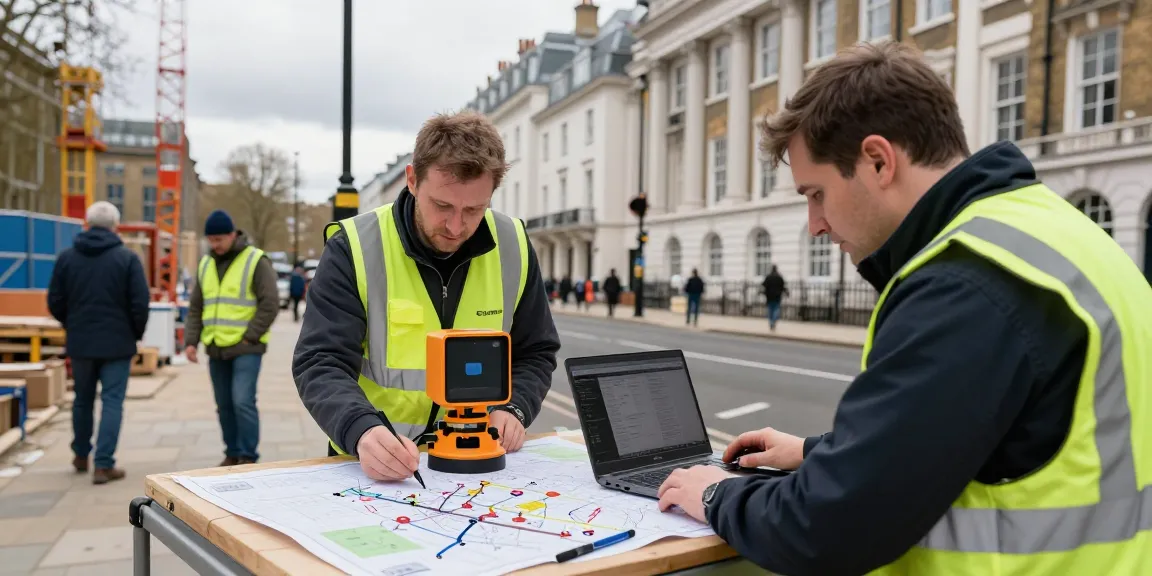
GPR utility surveys utilise electromagnetic radiation to capture subsurface images, enabling surveyors to detect the presence of buried utilities such as pipes, cables, and other installations. This method employs high-frequency radio waves that penetrate the ground, reflecting back data to create detailed images of what lies beneath the surface. The result is a precise mapping of underground utilities that can assist in various construction and development projects.
Importance of GPR Utility Surveys in Construction
- Risk Mitigation: By identifying the location and condition of utilities before digging, GPR surveys help avoid accidental strikes that can lead to service outages and costly damages.
- Improved Planning: GPR data facilitates better project planning, allowing for more accurate assessments of site conditions, which is crucial for designing foundations and drainage systems.
- Regulatory Compliance: Many construction projects are required by law to conduct thorough utility surveys to ensure compliance with safety and planning regulations.
Key Technologies Used in GPR Surveys
Modern GPR systems utilise a range of technologies that enhance their effectiveness:
- Multi-Frequency Antennas: These allow surveyors to select the appropriate frequency based on the depth and type of materials they are investigating.
- GPS Integration: This technology ensures accurate positioning of the data collected, facilitating easy reference and mapping for future use.
- Data Processing Software: Advanced software tools enable the interpretation of data collected by GPR, producing user-friendly visualisations and reports.
Benefits of GPR Utility Surveys London
Enhancing Site Safety and Planning
One of the primary benefits of employing GPR utility surveys is the enhancement of safety on construction sites. By allowing for the precise identification of underground utilities, GPR surveys reduce the likelihood of accidents and injuries. This proactive approach not only safeguards workers but also helps to maintain uninterrupted utility services, preventing project delays.
Cost Efficiency and Resource Management
Investing in GPR utility surveys can lead to significant cost savings throughout a project’s lifecycle. By preventing damage to existing utilities, projects can avoid the expenses associated with repairs and service interruptions. Furthermore, with accurate data from GPR surveys, project managers can allocate resources more effectively, improving overall efficiency.
Regulatory Compliance and Standards
As construction regulations become increasingly stringent, ensuring compliance is paramount. GPR utility surveys contribute to meeting these standards by delivering comprehensive insights into underground infrastructures. This helps to ensure that all construction practices align with legal requirements and industry best practices.
Challenges in Implementing GPR Utility Surveys
Common Misconceptions About GPR Surveys
Despite their advantages, GPR utility surveys are often misunderstood. Many assume that GPR can detect all types of utilities, but its effectiveness can vary based on materials and environmental conditions. For instance, GPR is more effective at locating metallic utilities than non-metallic ones. A proper understanding of these limitations can help set realistic expectations for clients and stakeholders.
Technical Limitations and Solutions
While GPR is a powerful tool, it does face technical limitations. Factors such as soil composition, moisture content, and depth of utilities can influence the quality of results. To overcome these challenges, surveyors often combine GPR with other surveying methods, such as electromagnetic location (EML) and visual inspection, to verify findings and enhance overall accuracy.
Overcoming Client Hesitations
Clients may hesitate to invest in GPR surveys due to upfront costs or lack of understanding of the process. Clear communication about the long-term savings and risk reduction benefits can help assuage these concerns. Additionally, showcasing case studies or testimonials from previous clients can illustrate the tangible benefits of GPR surveys in similar projects.
Best Practices for GPR Utility Surveys
Planning and Preparation for Surveys
Successful GPR utility surveys begin with careful planning. It’s vital to conduct a preliminary site assessment to understand existing conditions and determine the type of GPR equipment required. Establishing clear communication with all stakeholders about the objectives and expected outcomes ensures a smoother survey process.
Collaboration with Other Surveying Techniques
To maximise the effectiveness of utility detection, GPR surveys should be conducted in conjunction with other surveying techniques. For example, integrating traditional utility mapping and GPS surveying can provide a comprehensive view of the site. This multi-method approach enhances the accuracy and reliability of the data collected, enabling more informed decision-making.
Data Interpretation and Reporting Methods
Proper data interpretation is crucial for deriving actionable insights from GPR surveys. Utilising advanced software tools to analyse and visualise the data ensures that stakeholders can easily understand the findings. Providing detailed reports that include visual interpretations, potential risks, and recommendations will assist clients in making informed decisions regarding their projects.
The Future of GPR Utility Surveys
Emerging Trends for 2026 and Beyond
The future of GPR utility surveys looks promising, with advancements in technology driving significant changes in the industry. Emerging trends include the use of drone technology for aerial surveys, which can cover larger areas more efficiently and provide high-resolution imagery for analysis. Additionally, the integration of AI and machine learning tools will likely enhance data processing and interpretation capabilities.
Technological Advancements Shaping the Industry
As technology continues to evolve, GPR systems are becoming more sophisticated, allowing for deeper and more reliable assessments of underground utilities. Advancements in antenna design, signal processing, and data storage will contribute to increased efficiency and precision in surveys.
Environmental Considerations and Sustainability
In an era of heightened environmental awareness, GPR utility surveys play a crucial role in sustainable construction practices. By allowing developers to minimise disruption to existing ecosystems and reducing the need for invasive digging, GPR not only conserves resources but also supports environmental compliance efforts.
What is a GPR utility survey?
A GPR utility survey is a non-destructive testing method that uses electromagnetic waves to assess the condition and location of underground utilities. This technique provides critical information for planning construction projects, helping to avoid accidental utility strikes that can disrupt operations and cause safety hazards.
How does GPR technology work?
GPR technology works by emitting high-frequency radio waves into the ground. When these waves encounter different materials, they either reflect back to the surface or transmit further down, depending on the material's properties. The reflected signals are then recorded and processed to create images of the subsurface conditions.
Why choose GPR utility surveys in London?
Choosing GPR utility surveys in London is essential for ensuring the safety and efficiency of construction projects. Given the densely populated urban environment and the complexity of underground infrastructure, GPR surveys provide much-needed clarity and precision in identifying potential hazards.
What are the costs associated with GPR surveys?
Costs for GPR surveys can vary based on several factors, including the size of the site, depth of utilities, and complexity of the survey. However, the investment is typically compensated by the reduction in risk and potential cost savings from avoiding utility strikes and project delays.
Are GPR surveys suitable for all types of sites?
While GPR surveys are highly effective, their suitability can be influenced by site-specific conditions such as soil type, moisture content, and the depth of utilities. Therefore, it's advisable to consult with experienced professionals to determine the best approach for each unique project.